

Your Amaryllis in wax has just finished blooming, and now you might be wondering what’s next. How do you keep this stunning plant healthy and ready to shine again next season?
Taking care of your Amaryllis after flowering is easier than you think, but it does require the right steps. In this guide, you’ll discover simple, effective ways to nurture your plant so it stays vibrant and strong. Ready to learn the secrets to long-lasting beauty for your Amaryllis?
Keep reading and transform your care routine today.

Credit: www.jacksonandperkins.com
Post-bloom Care Basics
After your amaryllis in wax finishes blooming, proper care helps the plant stay healthy. Post-bloom care supports new growth and prepares the bulb for the next season. Simple steps protect the bulb and keep it strong.
Focus on removing dead parts and trimming the stalk. These actions help the plant save energy and grow better.
Removing Spent Flowers
Cut off faded flowers right after they wilt. Use clean scissors or garden shears. Remove the flower head but leave the stalk and leaves intact. This prevents the plant from wasting energy on old blooms. Removing spent flowers keeps the plant neat and healthy.
Trimming The Stalk
Cut the flower stalk down to about one inch above the bulb. Do this only after the leaves turn yellow or brown. The leaves feed the bulb with energy, so keep them until they die naturally. Trimming the stalk at the right time helps the bulb store food for next year’s bloom.
Watering And Feeding
Proper watering and feeding are key to keeping your amaryllis in wax healthy after flowering. These steps help the plant regain strength and prepare for the next bloom cycle. Adjusting water and nutrients can support growth without overloading the plant.
Adjusting Water Frequency
After flowering, reduce how often you water your amaryllis. The soil should dry out a little between watering. Too much water can cause the bulb to rot. Check the top inch of soil; if it feels dry, it is time to water. Water slowly and let it soak through the soil. Avoid leaving the pot in standing water.
Fertilizing Tips
Feed the amaryllis every two to three weeks during its active growth phase. Use a balanced liquid fertilizer with equal parts nitrogen, phosphorus, and potassium. Dilute the fertilizer to half the strength recommended on the label. Stop feeding once the leaves start to yellow and die back. This signals the plant is entering dormancy.
Light And Temperature Needs
After your Amaryllis in wax finishes blooming, proper light and temperature care is vital. These factors help the bulb store energy for the next flowering cycle. Providing the right environment supports healthy growth and future blooms.
Optimal Light Conditions
Place your Amaryllis in bright, indirect light. Direct sunlight can scorch the leaves and dry out the bulb. A spot near a window with filtered light works best. Too little light causes weak, leggy growth. Bright light encourages strong, healthy leaves and bulb development.
Ideal Temperature Range
Keep the temperature between 60°F and 70°F (15°C to 21°C). This range is comfortable for Amaryllis bulbs after flowering. Avoid cold drafts and sudden temperature changes. Too hot or too cold slows growth and can damage the plant. Stable, moderate temperatures help the bulb rest and prepare for its next bloom.

Credit: www.youtube.com
Managing Foliage Growth
Managing foliage growth is key after your Amaryllis in wax finishes flowering. Healthy leaves help the bulb store energy for the next bloom. Paying attention to leaf care keeps your plant strong and ready for next season.
Encouraging Leaf Development
Place your Amaryllis where it gets bright, indirect light. Leaves need light to grow well. Water the plant regularly but avoid soaking the soil. Use a balanced liquid fertilizer every two weeks to support leaf growth. Keep the temperature steady, around 65-75°F, to avoid stress. Trim any weak or damaged leaves to help the plant focus energy on healthy ones.
Handling Yellowing Leaves
Yellow leaves can mean too much water or not enough light. Check soil moisture before watering again. Move the plant to a brighter spot if leaves turn pale. Remove yellow leaves by cutting them off at the base. This prevents disease and keeps the plant tidy. Watch for pests that may cause leaf damage and treat promptly.
Preparing For Dormancy
After your Amaryllis in wax finishes blooming, it needs special care to rest well. Preparing for dormancy helps the bulb store energy for the next bloom. This rest period is natural and important for healthy growth.
Signs Of Dormancy
The leaves turn yellow and start to die back. This change shows the plant is ready to rest. The flower stalk will also dry up and become brittle. The bulb enters a quiet phase, slowing down its growth.
Reducing Care Before Rest Period
Stop watering the plant as the leaves fade. Keep the bulb in a warm, dry place with indirect light. Avoid feeding the plant with fertilizer during this time. Let the soil dry out completely before watering again. This helps the bulb rest and prepare for new growth later.
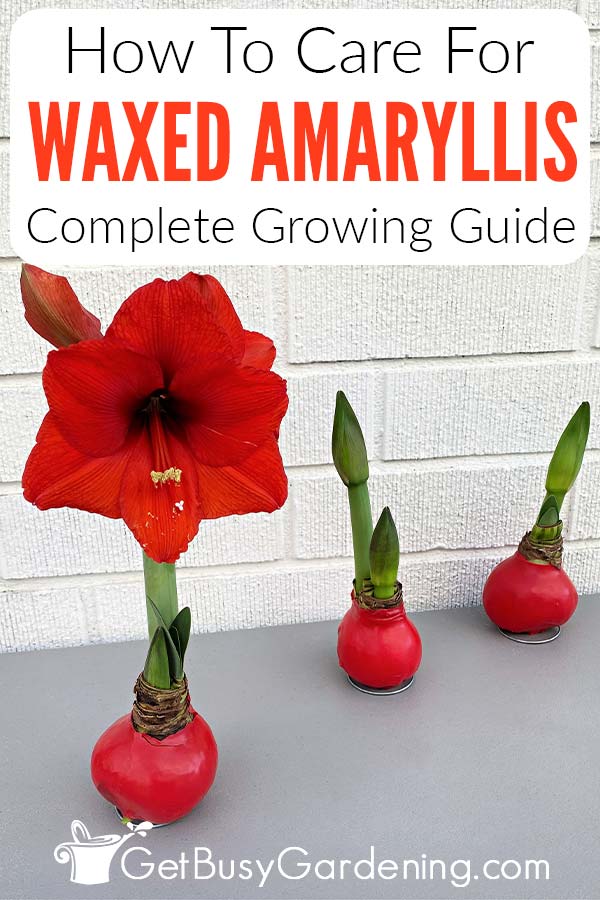
Credit: getbusygardening.com
Storing The Bulb
After your amaryllis in wax finishes flowering, proper bulb storage is key. Storing the bulb well keeps it healthy for next season. It stops decay and helps the bulb rest. Follow simple steps to clean, dry, and store your bulb right.
Cleaning And Drying
Gently remove any dead leaves and flower stems. Avoid cutting too close to the bulb’s base. Brush off dirt carefully, without using water. Let the bulb air dry in a warm, dry place. Drying prevents mold and rot. Keep it away from direct sunlight during drying.
Choosing Storage Conditions
Pick a cool, dark spot for storage. Ideal temperature is between 50 and 60 degrees Fahrenheit. Avoid damp areas to prevent bulb rot. A paper bag or mesh sack works well for air circulation. Check the bulb monthly for softness or mold. Proper conditions help the bulb stay firm and ready for replanting.
Restarting Growth Next Season
Restarting growth for your amaryllis in wax is an exciting phase. After flowering, the bulb needs care to bloom again next season. Proper steps help the plant gather strength and prepare for new growth. Follow these tips to encourage a healthy start.
Repotting Tips
Choose a pot with good drainage holes. Use fresh, well-draining soil to avoid water buildup. Gently remove old soil from the bulb’s roots. Place the bulb so its top is just above the soil surface. Press the soil lightly around the bulb. Avoid deep planting, which can slow growth.
When To Resume Watering
Wait until you see new green shoots before watering. Keep the soil dry before this stage to prevent rot. Once shoots appear, water sparingly but regularly. Keep the soil moist, not soggy. This balance helps the bulb grow strong and healthy.
Frequently Asked Questions
How Do I Care For Amaryllis After Flowering?
After flowering, cut the flower stalks but keep the leaves. Water regularly and provide bright, indirect light. Fertilize every 2-4 weeks to help the bulb store energy for next season.
When Should I Stop Watering Amaryllis In Wax?
Stop watering when the leaves turn yellow and begin to die back. This signals dormancy. Reduce watering gradually and keep the bulb dry for 8-12 weeks before the next growth cycle.
Can Amaryllis Bulbs Be Reused After Blooming?
Yes, Amaryllis bulbs can be reused. Proper aftercare helps bulbs store energy. Follow a dormancy period and replant when growth resumes for beautiful blooms next season.
How Do I Encourage Amaryllis To Bloom Again?
To encourage reblooming, provide 6-8 hours of indirect light daily. Keep the soil moist and fertilize regularly. After dormancy, move the bulb to a warmer spot to trigger growth.
Conclusion
Caring for your amaryllis in wax after flowering helps it stay healthy. Keep the soil moist but not too wet. Give it plenty of light to grow strong leaves. Remove dead flowers to save the plant’s energy. Patience is key; the bulb needs rest before blooming again.
With simple care, your amaryllis will bloom beautifully next season. Enjoy watching your plant thrive and bloom year after year.


