

Have you ever wondered how much a rally car actually costs? Whether you’re dreaming of hitting the dirt tracks or just curious about what goes into these powerful machines, knowing the price is the first step.
Rally cars aren’t just regular cars—they’re built for speed, control, and tough conditions. But what does that mean for your wallet? Keep reading, because by the end of this article, you’ll have a clear picture of what it takes to own a rally car and whether it fits your budget.
Let’s dive in and uncover the real numbers behind these exciting vehicles.
Base Price Of Rally Cars
The base price of rally cars varies widely depending on the model and purpose. Rally cars are built for speed, control, and durability on rough terrain. This makes them more expensive than regular cars. Prices start from entry-level models and go up to professional-grade vehicles used in competitions.
Entry-level Models
Entry-level rally cars cost between $30,000 and $60,000. These models suit beginners or hobbyists. They offer good performance with basic safety features. Common brands include Subaru and Ford. These cars often come with smaller engines and fewer custom parts. They need upgrades for serious rally events.
Professional-grade Vehicles
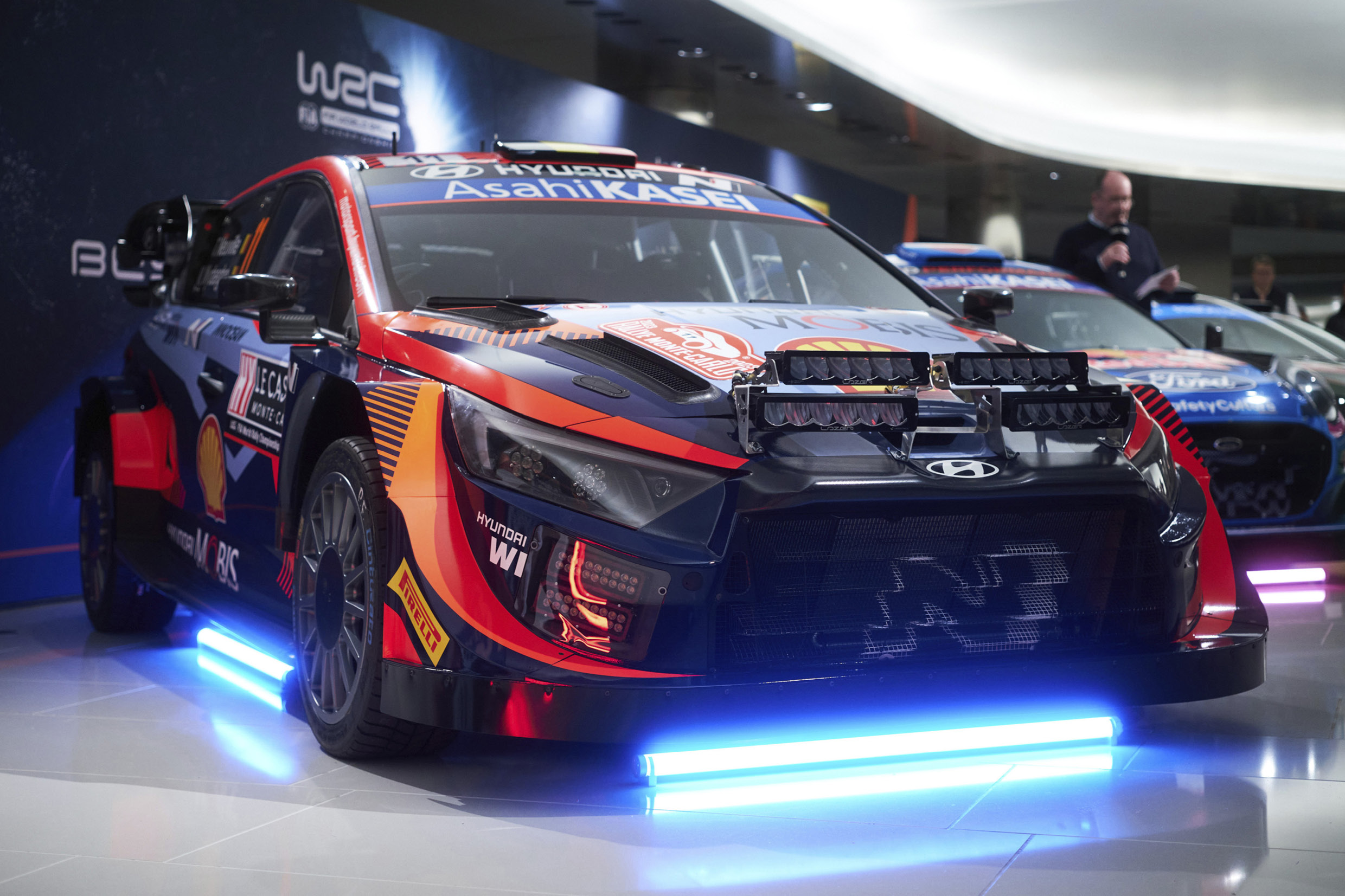
Professional rally cars cost from $150,000 to over $500,000. These vehicles are custom-built for high performance. They have powerful engines and advanced suspension systems. Safety features meet strict racing regulations. Teams invest heavily in tuning and testing. These cars handle extreme conditions and fast speeds.
Credit: www.hyundaimotorgroup.com
Customization And Upgrades
Customization and upgrades play a key role in the cost of a rally car. They tailor the car to suit different racing needs and driver preferences. These changes affect performance, safety, and looks.
Performance Enhancements
Rally cars need strong engines and sharp handling. Upgrades include turbochargers, better suspension, and improved brakes. These parts boost speed and control on rough tracks. Performance mods can raise the price by thousands of dollars.
Safety Features
Safety is vital in rally racing. Cars get roll cages, racing seats, and harnesses. Fire extinguishers and fuel cut-off switches are common too. These features protect drivers during crashes. Installing safety gear adds to the overall cost.
Aesthetic Modifications
Looks matter in rally cars. Custom paint jobs, decals, and lighting give a unique style. Wheels and body kits also change the car’s appearance. These changes often cost less but make the car stand out.
Maintenance And Running Costs
Owning a rally car involves more than just the initial price. Maintenance and running costs play a big role in the total expense. These costs keep the car safe, fast, and ready for the rough rally stages. Understanding these expenses helps plan your budget better.
Routine Servicing
Regular servicing is crucial for rally cars. It includes oil changes, brake checks, and engine tuning. Service intervals are shorter than regular cars due to the tough use. Expect to visit the mechanic every few thousand miles or after each event. Good servicing prevents bigger, costly repairs.
Parts Replacement
Parts wear out quickly in rally cars. Suspension components, brakes, and clutch parts need frequent replacement. Some parts are expensive because they are specialized. Stocking up on common spares can save time and money. Replacing worn parts keeps performance high and avoids failures.
Tire And Fuel Expenses
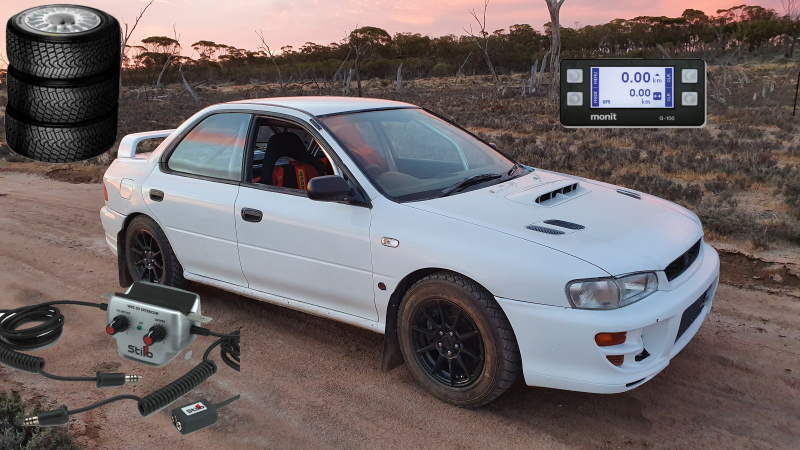
Tires wear fast on rough and mixed surfaces. You will need multiple sets each season. Rally tires cost more than regular tires due to their design. Fuel costs are also higher because rally cars use high-octane fuel. Planning for these costs is essential for continuous rally participation.
Credit: rallyaction.com.au
Hidden And Unexpected Costs
Buying a rally car is just the start of the expenses. Many costs hide beneath the surface. These unexpected costs can add up fast and surprise new rally drivers. Knowing about them helps plan your budget better.
Accident Repairs
Rally racing is tough on cars. Crashes and dents happen often. Repair bills can be high. Parts like suspension, body panels, and engines need fixing. Labor costs add up quickly. Regular repairs keep the car safe and fast.
Transport And Logistics
Getting your rally car to events costs money. Transport trucks, trailers, and fuel add expenses. Sometimes, you need to hire professionals to move the car. Hotels, meals, and gear transport also increase the budget. Planning travel well saves money.
Competition Fees
Joining rally events is not free. Entry fees vary by race and location. Licensing and registration costs also apply. Some events require special insurance. These fees are essential for legal and safe participation. Budgeting for them is a must.
Cost Comparison: New Vs Used Rally Cars
Cost matters a lot when choosing between a new or used rally car. New rally cars come with the latest features but carry a higher price. Used rally cars cost less but may need repairs or upgrades. Understanding these differences helps buyers make smart choices.
Pros And Cons Of New Cars
New rally cars offer the latest technology and full warranty. They need less maintenance in the beginning. Buyers get cars that meet current safety standards. The downside is the high initial cost. New cars lose value quickly after purchase. Also, customization options might be limited at first.
Benefits Of Buying Used
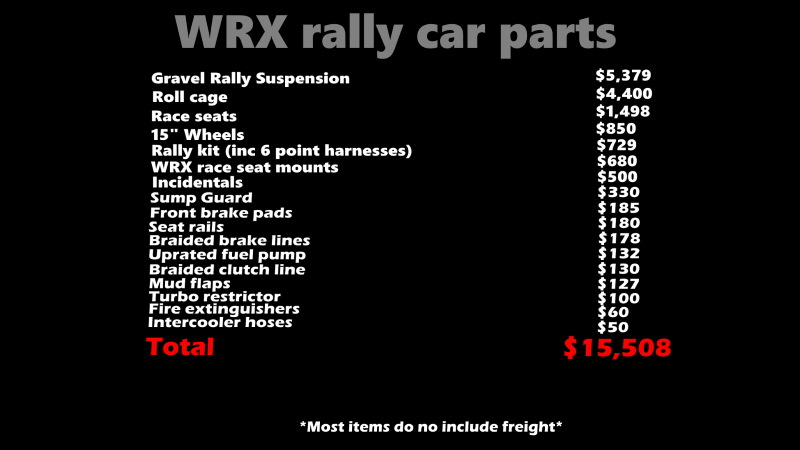
Used rally cars cost much less than new ones. Buyers can afford higher-end models at a lower price. Many used cars come with upgrades from previous owners. The main risk is hidden damage or wear. It is important to inspect used cars carefully before buying. Repairs might add to the total cost later.
Credit: rallyaction.com.au
Budgeting Tips For Aspiring Rally Drivers
Budgeting is a key step for anyone who wants to start rally driving. Rally cars and gear can be costly. Planning your budget well helps you avoid surprises and stay on track.
Knowing where to spend and where to save makes your rally dreams more real. Here are some tips to help manage your money smartly.
Setting Realistic Goals
Start by deciding what you want to achieve in rally driving. Choose goals that fit your budget. Small races cost less than big events.
Think about how much you can spend each month or year. This helps you buy the right car and gear without overspending.
Finding Sponsorships
Sponsors can help cover costs. Look for local businesses or clubs that support sports. Show them your passion and plans.
Prepare a simple proposal explaining what you need and what you offer. Sponsors like visibility and support in return.
Cost-saving Strategies
Buy used parts and cars to save money. Check online forums and local sales for good deals.
Do simple repairs and maintenance yourself. This lowers workshop bills. Join a rally club to learn and share tools.
Frequently Asked Questions
How Much Does A Basic Rally Car Cost?
A basic rally car typically costs between $50,000 and $100,000. Prices vary based on brand, model, and modifications. Entry-level rally cars are more affordable but may need upgrades for competition readiness. Budgeting for maintenance and safety gear is also essential.
What Factors Influence Rally Car Prices?
Rally car prices depend on the car’s make, model, engine power, and safety features. Custom modifications, suspension upgrades, and rally-specific parts increase the cost. Additionally, the car’s age and condition significantly affect its price.
Can You Buy A Used Rally Car?
Yes, used rally cars are available and often cost less than new ones. However, buyers must check the car’s condition, service history, and compliance with competition rules. Used rally cars may require repairs or upgrades to meet racing standards.
Are Rally Cars Expensive To Maintain?
Rally cars require frequent maintenance, which can be costly. Spare parts, tires, and safety equipment add to expenses. Regular servicing ensures performance and safety during races. Budgeting for ongoing maintenance is crucial for rally car owners.
Conclusion
Rally cars can cost from tens to hundreds of thousands. Prices depend on the car model, parts, and upgrades. Used rally cars often cost less than new ones. Maintenance and repair expenses add to the total cost. Owning a rally car requires passion and budget planning.
Each car offers different features and performance levels. Choose a rally car that fits your budget and goals. Enjoy the thrill of rally driving without overspending. Rally cars bring excitement but need smart financial choices.


