

Your vacuum cleaner is one of the hardest working tools in your home. It fights dust, dirt, and allergens every day to keep your space fresh and clean.
But how often do you stop to think about taking care of it? If you want your vacuum to last longer and work better, you need to give it the right attention. You’ll discover simple, effective tips that will help you maintain your vacuum cleaner easily.
Keep reading to learn how small habits can save you money and prevent headaches down the road. Your vacuum—and your home—will thank you.
Credit: www.techradar.com
Choosing The Right Vacuum Cleaner
Choosing the right vacuum cleaner is key for easy and effective cleaning. A good vacuum helps keep your home clean and saves time. Understanding different types and features helps pick the best one for your needs.
Types Of Vacuum Cleaners
Bagged vacuums collect dust in a bag. They are good for allergy sufferers. Bagless vacuums use a canister to hold dirt. They are easy to empty and save money on bags.
Upright vacuums are tall and strong. They work well on carpets. Canister vacuums are lighter and flexible. They clean hard floors and tight spots easily.
Stick vacuums are light and cordless. They are good for quick cleanups. Robot vacuums clean by themselves. They work well for daily dust and pet hair.
Features To Consider
Look for suction power. Strong suction cleans better and faster. Check the vacuum weight. A lighter vacuum is easier to carry and use.
Consider the noise level. Quiet vacuums make cleaning less stressful. Look for good filters. HEPA filters trap tiny dust and allergens.
Check the attachments. Tools for corners, upholstery, and pets add value. Look at the cord length or battery life. Longer reach means fewer plugs or charges.

Credit: www.eufy.com
Regular Cleaning And Maintenance
Regular cleaning and maintenance keep your vacuum cleaner working well. Dirt and dust build up inside. This can make your vacuum less powerful. Cleaning it often helps it last longer. It also keeps your home cleaner.
Emptying And Cleaning The Dust Bin
Empty the dust bin after every use. Full bins reduce suction power. Take out the bin carefully. Dump the dirt into the trash. Use a dry cloth to wipe the inside. Avoid water unless the manual says it is safe. Keeping the dust bin clean stops blockages.
Washing And Replacing Filters
Filters catch small dust particles. They need washing or replacing often. Check the filter type in your vacuum manual. Wash washable filters with water only. Let them dry completely before putting them back. Replace non-washable filters regularly. Clean filters improve air flow and suction. This helps your vacuum work better every time.
Checking And Replacing Parts
Checking and replacing parts keeps your vacuum cleaner working well. Regular checks stop small problems from becoming big. Parts like brushes and belts wear out and need attention. This helps your vacuum clean better and last longer.
Inspecting Brushes And Belts
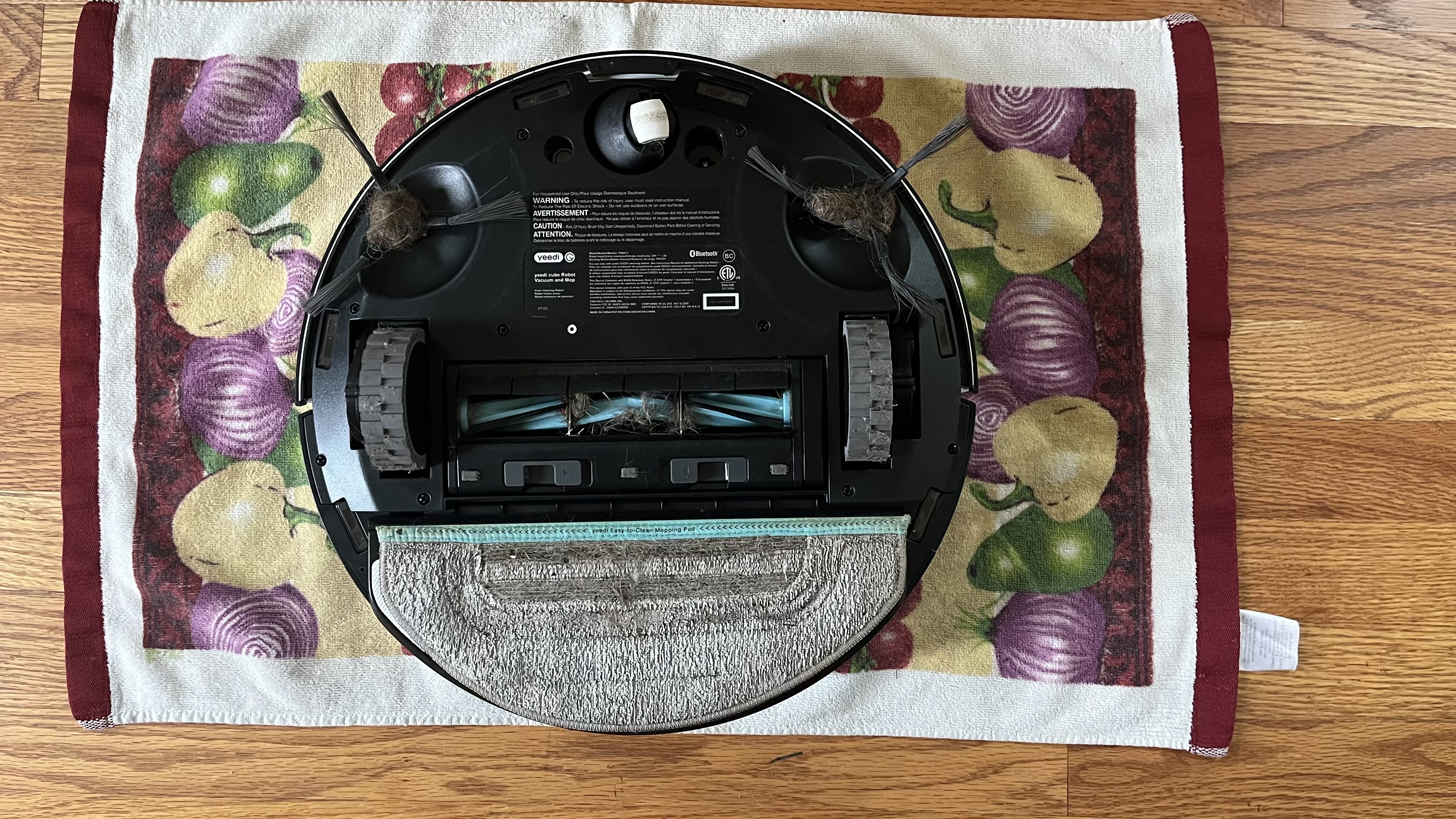
Look at the brush roll for hair and dirt wrapped around it. Clean the brush by cutting away any threads or fibers. Check the belt for cracks or signs of wear. A loose or broken belt makes the brush stop spinning. Replace the belt if it looks worn or stretched.
Replacing Worn Components
Use the manual to find the right parts for your vacuum. Purchase original or compatible brushes and belts for better fit. Turn off and unplug the vacuum before replacing parts. Remove the old brush or belt carefully. Install the new part firmly in place. Test the vacuum to make sure it runs smoothly. Replace parts regularly to keep your vacuum in top shape.
Proper Storage Techniques
Proper storage techniques keep your vacuum cleaner safe and ready to use. Storing it right prevents damage and extends its life. It also keeps your space tidy and safe from accidents. Follow simple steps to store your vacuum cleaner properly.
Safe Storage Locations
Choose a dry, cool place for storing your vacuum. Avoid damp basements or places with extreme heat. Keep it away from direct sunlight to protect plastic parts. A closet or utility room works well. Make sure the area is clean to avoid dirt buildup on the vacuum.
Cord Management Tips
Wrap the cord loosely around the vacuum’s hooks or holders. Avoid tight wrapping to prevent wire damage. Use a Velcro strap or twist tie for extra security. Check the cord for any cuts or frays before storing. Proper cord care stops tangles and extends cord life.
Troubleshooting Common Issues
Vacuum cleaners are helpful tools but sometimes they stop working well. Knowing how to fix common problems saves time and money. Troubleshooting simple issues keeps your vacuum running smoothly. This section covers easy fixes for frequent problems.
Loss Of Suction
Loss of suction is a usual problem. First, check the dust bag or bin. Empty it if full. Look for blockages in the hose or pipe. Clear any clogs with a stick or brush. Also, clean or replace the vacuum filter. A dirty filter blocks airflow. Make sure all parts fit tightly. Loose parts can cause suction loss.
Strange Noises
Strange noises often mean something is stuck. Turn off the vacuum and unplug it. Check the brush roll for hair or debris. Remove anything tangled. Listen for grinding sounds. This may show a problem with the motor or belt. Tighten or replace the belt if loose or broken. If noise continues, get professional help.
Brush Roll Problems
The brush roll helps pick up dirt but can stop spinning. Hair and threads wrap around it often. Cut and remove any wrapped material carefully. Check the brush roll bearings. Clean or replace them if dirty or worn out. Make sure the brush roll spins freely by hand. Fix or replace parts that do not turn easily.
Extending Vacuum Cleaner Lifespan
Extending the lifespan of a vacuum cleaner saves money and reduces waste. Taking care of your vacuum ensures it works well for many years. Small steps in maintenance and use make a big difference. Keep your vacuum clean and handle it gently to avoid damage.
Routine Professional Servicing
Professional servicing checks parts that are hard to see. Experts clean and replace worn-out components. Regular service prevents small issues from becoming costly repairs. Schedule servicing at least once a year. It keeps the motor and filters in good shape.
Usage Best Practices
Use your vacuum on the right surfaces only. Avoid sucking up large debris that can clog the machine. Empty the dustbin or bag after each use. Clean or replace filters often to maintain suction power. Do not pull the vacuum by the cord. Store it in a dry, safe place to prevent damage.
Credit: www.bosch-home.com
Frequently Asked Questions
How Often Should I Clean My Vacuum Cleaner Filters?
You should clean vacuum filters every 1 to 3 months. Regular cleaning improves suction and extends vacuum life. Check the manufacturer’s guide for specific instructions. Replace filters if they appear damaged or excessively dirty for best performance.
What Is The Best Way To Maintain Vacuum Cleaner Brushes?
Remove hair and debris from brushes weekly. Use scissors or a brush comb to clear tangled fibers. Clean brushes prevent motor strain and improve dirt pickup. Regular maintenance keeps your vacuum working efficiently longer.
How Do I Prevent Vacuum Hose Clogs Effectively?
Avoid vacuuming large debris or liquids. Check the hose regularly for blockages. Use a flexible brush or a broomstick to clear clogs. Preventing clogs ensures proper airflow and maintains suction power.
When Should I Replace Vacuum Cleaner Bags Or Canisters?
Replace bags or empty canisters when they are two-thirds full. Full bags reduce suction and can damage the motor. Regular replacement or emptying keeps your vacuum cleaner efficient and prolongs its lifespan.
Conclusion
Taking care of your vacuum cleaner saves time and money. Clean filters and empty bags often. Check brushes for hair or debris. Store it in a dry place. Regular care keeps it working well. A well-maintained vacuum cleans better and lasts longer.
Small steps make a big difference. Keep your home fresh and dust-free. Easy care leads to better results every day.


