

Are you ready to enjoy stunning amaryllis blooms without the usual fuss? Wax dipped amaryllis bulbs offer a simple, mess-free way to bring vibrant flowers into your home.
But to keep your bulbs healthy and encourage beautiful blossoms year after year, you need to know the right care tips. In this guide, you’ll discover easy steps to nurture your wax dipped amaryllis bulbs so they thrive and brighten your space.
Keep reading to unlock the secrets to long-lasting, show-stopping flowers that you’ll love watching grow.

Credit: geauganews.com
Choosing Quality Bulbs
Choosing quality bulbs is the first step to growing beautiful wax dipped amaryllis. Healthy bulbs ensure strong roots and vibrant blooms. Picking the right bulbs helps your plant thrive indoors or outdoors. Pay attention to size, texture, and firmness to find the best ones. Good bulbs reduce the risk of disease and poor growth.
Spotting Healthy Bulbs
Look for bulbs that feel firm and heavy. Avoid bulbs with soft spots or cracks. The outer skin should be dry and tight, not loose or peeling. Healthy bulbs have a clean, smooth surface without mold or discoloration. A strong bulb holds moisture inside, which helps the plant grow well.
Best Varieties For Wax Dipping
Choose varieties known for strong stems and bright flowers. Popular types include ‘Red Lion,’ ‘Apple Blossom,’ and ‘Nymph.’ These bulbs handle the wax dipping process without damage. Their blooms last longer and keep vibrant colors. Select bulbs from trusted suppliers to ensure quality and freshness.
Preparing Bulbs For Wax Dipping
Preparing bulbs for wax dipping is a key step to ensure their beauty lasts long. Proper preparation helps the wax stick well and protects the bulb. Clean and dry bulbs are essential for a smooth wax coating. Choosing the right wax improves the bulb’s shine and durability.
Cleaning And Drying Process
Start by gently brushing off dirt from the bulb’s surface. Avoid using water, as moisture can cause mold. If needed, wipe bulbs with a dry cloth to remove dust. Let the bulbs sit in a warm, dry place for several days. This drying step removes any hidden moisture. Dry bulbs help the wax adhere evenly and prevent decay.
Wax Selection Tips
Pick a wax that melts at a low temperature to avoid bulb damage. Paraffin wax is a common and safe choice. Beeswax offers a natural shine but is more expensive. Avoid waxes with strong chemicals or scents. Choose a wax that hardens quickly to save time. The right wax protects bulbs and enhances their color.
Wax Dipping Techniques
Wax dipping is a popular method to protect amaryllis bulbs. It seals moisture inside and stops rot. This technique helps bulbs last longer and grow well. Understanding the wax dipping process is key to caring for these bulbs properly.
Step-by-step Dipping Guide
Start by cleaning the amaryllis bulb gently. Remove any dirt without damaging the skin. Melt the wax in a double boiler until smooth. Let the wax cool slightly but stay liquid.
Hold the bulb by the roots or base. Dip it fully into the melted wax. Quickly lift and let extra wax drip off. Place the bulb on wax paper to dry.
Wait for the wax to harden completely. Store the bulb in a cool, dry place. This process helps bulbs keep moisture and avoid mold.
Common Mistakes To Avoid
Do not dip bulbs when wax is too hot. It can burn or damage the bulb. Avoid dipping bulbs that are wet or dirty. This can trap bacteria under the wax.
Do not cover the roots completely in wax. Roots need air to grow properly. Avoid thick wax layers that crack easily. Thin, even coats work best for protection.
Planting Wax Dipped Bulbs
Planting wax dipped amaryllis bulbs requires gentle care to ensure healthy growth. These bulbs come coated with a protective wax layer, which helps preserve them during storage. Proper planting helps the bulb adjust to its new environment and bloom beautifully. Follow these tips to create the best conditions for your wax dipped amaryllis.
Ideal Soil Conditions
Use well-draining soil to prevent water buildup. A mix of potting soil and sand works well. The soil should be loose and airy for root growth. Avoid heavy or compacted soils that trap moisture. Slightly acidic to neutral soil with a pH around 6 to 7 is best. This balance helps the bulb absorb nutrients efficiently.
Potting And Placement Tips
Choose a pot with drainage holes to avoid water logging. Plant the bulb with its top third above the soil. This prevents rotting and encourages sprouting. Place the pot in a bright spot but not in direct sunlight. Keep the room temperature around 65 to 75°F for optimal growth. Water sparingly until you see shoots emerge, then increase watering gradually.
Watering And Feeding
Watering and feeding wax dipped amaryllis bulbs is key to their health and blooming. These bulbs need careful care to avoid damage. Proper watering keeps the bulbs moist but not soggy. Feeding provides nutrients for strong growth and vibrant flowers. Follow simple steps for best results.
Watering Frequency
Water the bulb lightly after planting. Keep the soil moist, not wet. Water once a week in cooler months. Increase to twice a week during warm months. Avoid water pooling at the bulb base. Overwatering can cause bulb rot. Check soil moisture by touching the surface. Dry soil means it is time to water.
Fertilizer Recommendations
Use a balanced liquid fertilizer every two weeks. Choose one with equal parts nitrogen, phosphorus, and potassium. Dilute fertilizer to half the strength on the package. Too strong fertilizer can burn roots. Stop feeding once the flower starts to fade. Feeding supports healthy leaves and bulb growth. Organic compost can also enrich the soil before planting.
Light And Temperature Needs
Wax dipped amaryllis bulbs need the right light and temperature to grow well. These factors help the bulb bloom beautifully and stay healthy. Understanding their light and temperature needs ensures your amaryllis thrives indoors.
Optimal Light Exposure
Place the amaryllis where it gets bright, indirect light. Direct sunlight can burn the leaves and damage the wax coating. A spot near a window with filtered light works best. Too little light slows growth and weakens the plant. Bright, indirect light encourages strong stems and vibrant flowers.
Temperature Control
Keep the room temperature between 60°F and 75°F (15°C to 24°C). Cooler temperatures can slow growth, while too much heat may dry out the bulb. Avoid placing the bulb near heaters or cold drafts. Stable temperatures help the bulb bloom on time and keep it healthy for longer.
Managing Pests And Diseases
Managing pests and diseases is key to keeping wax dipped amaryllis bulbs healthy. These bulbs can attract insects and face fungal problems. Early care helps bulbs grow strong and bloom beautifully. Watch your plants often for signs of trouble. Quick action stops problems before they spread.
Common Issues
Amaryllis bulbs may suffer from aphids, spider mites, and mealybugs. These small insects feed on sap and weaken the plant. Fungal infections like bulb rot and leaf spot can also occur. Bulb rot makes the base soft and dark. Leaf spots show as brown or yellow patches on leaves. Pests and diseases reduce bulb strength and flower quality.
Preventive Measures
Keep bulbs in a clean, dry place with good air flow. Avoid overwatering, as wet soil invites fungus. Inspect bulbs before planting for any damage or pests. Use insecticidal soap to control small insect problems early. Remove dead leaves and debris around plants. Quarantine new bulbs to prevent spreading pests. Healthy bulbs resist diseases and bloom better.
Extending Bloom Life
Extending the bloom life of wax dipped amaryllis bulbs lets you enjoy their beauty longer. Proper care helps keep flowers fresh and vibrant. Small actions make a big difference in bloom longevity.
Deadheading Techniques
Remove faded flowers to encourage new growth. Use clean scissors or pinch off the wilted blooms. This stops energy waste and helps the plant focus on healthy flowers. Deadheading also keeps the plant tidy and attractive.
Supporting Stems
Strong stems prevent flowers from drooping or breaking. Use stakes or supports to hold stems upright. Tie stems gently with soft ties to avoid damage. Proper support helps blooms stay open and bright for longer.
Storing Bulbs After Bloom
After your wax dipped amaryllis bulbs finish blooming, proper storage is key. This step helps the bulbs rest and get ready for the next season. Storing bulbs correctly keeps them healthy and ready to grow again.
When And How To Store
Wait until the flowers fade completely. The leaves should turn yellow and dry. This signals the bulb is resting. Cut back the flower stalk but keep the leaves until they dry.
Store bulbs in a cool, dry place. Ideal temperature is between 50-60°F (10-15°C). Avoid damp or very cold areas. Use paper bags or cardboard boxes with ventilation. Do not seal bulbs in plastic bags.
Preparing For Next Season
Check bulbs for soft spots or mold before storing. Remove any damaged bulbs to prevent spread. Keep bulbs dry and clean. After storage, plant the bulbs in fresh soil.
Water sparingly until new growth appears. Provide bright, indirect light. This helps bulbs wake up and grow strong. Proper storage and care ensure a vibrant bloom next year.
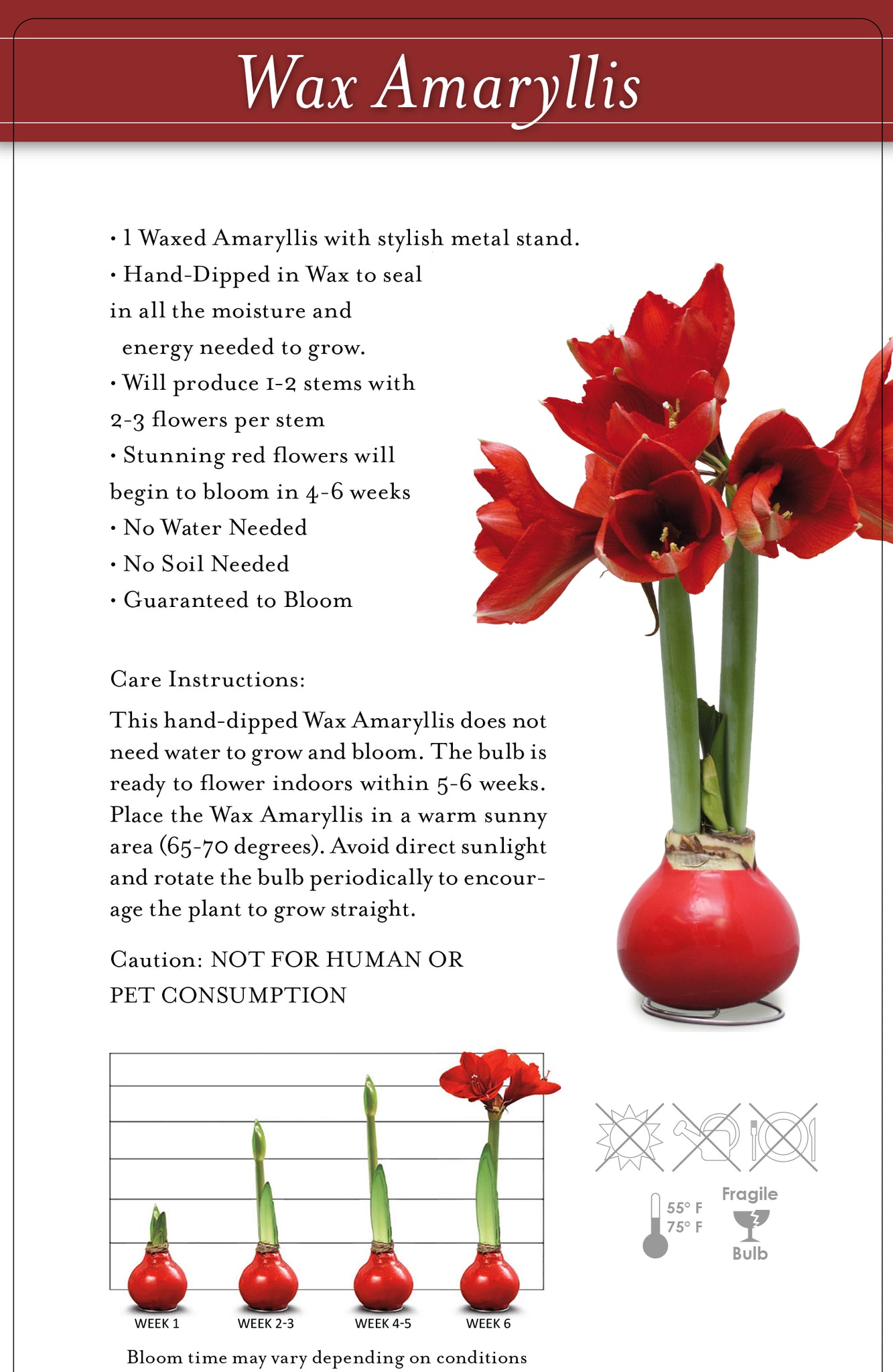
Credit: hollandbeauty.com
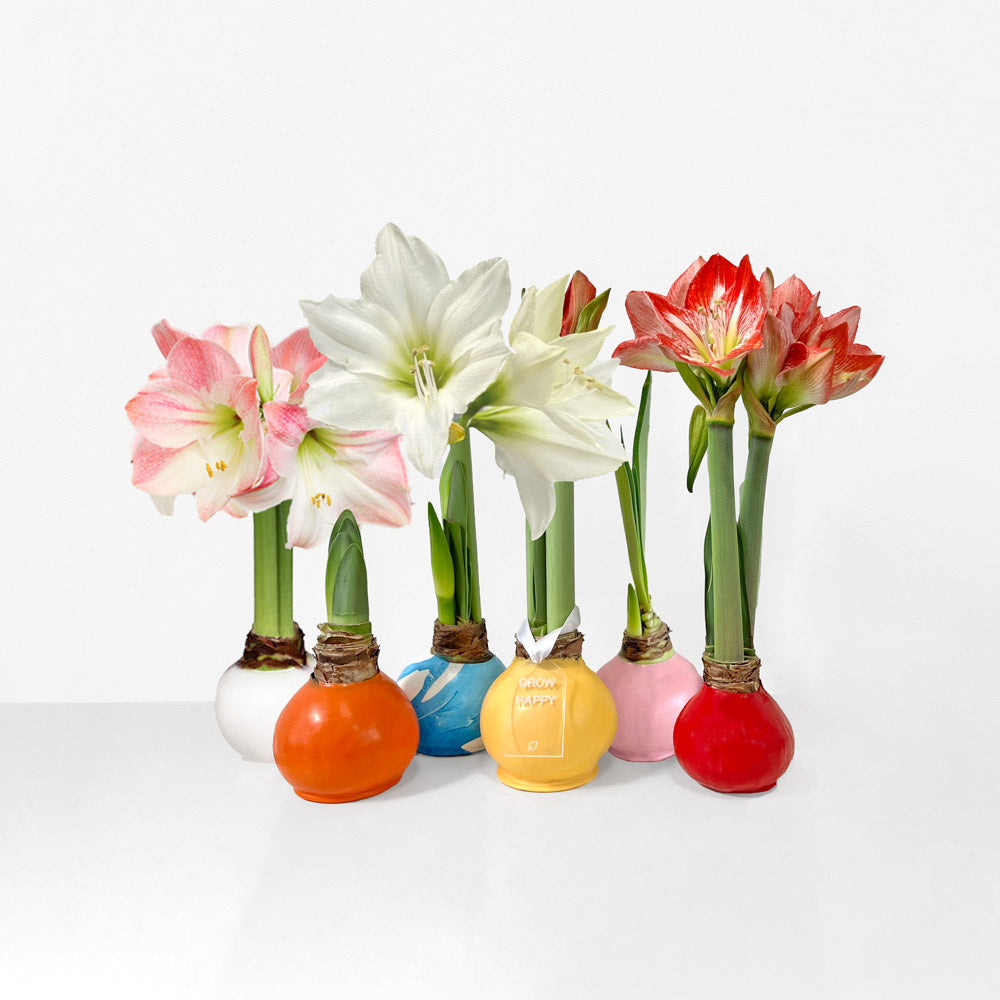
Credit: gardenuity.com
Frequently Asked Questions
How Do I Water Wax Dipped Amaryllis Bulbs?
Water sparingly, only when the soil feels dry. Avoid overwatering to prevent bulb rot. Ensure good drainage for healthy growth.
When Should I Plant Wax Dipped Amaryllis Bulbs?
Plant bulbs indoors in late fall or early winter. This timing encourages blooming during the holiday season. Use well-draining soil for best results.
How Much Light Do Wax Dipped Amaryllis Bulbs Need?
Place bulbs in bright, indirect sunlight. Too much direct sun can scorch leaves. Adequate light promotes strong stems and vibrant blooms.
Can Wax Dipping Affect Amaryllis Bulb Growth?
Wax dipping protects bulbs but does not harm growth. It helps retain moisture and prevent damage. Proper care ensures healthy flowering despite the wax coating.
Conclusion
Caring for wax dipped amaryllis bulbs is simple and rewarding. Keep the bulbs in a cool, dry place before planting. Water them sparingly to avoid rot. Provide bright, indirect light once they start growing. Watch your bulbs closely for signs of growth.
With a little care, they will bloom beautifully indoors. Enjoy the bright, colorful flowers that bring joy to your home. Taking these small steps helps your amaryllis thrive year after year.


