Have you ever wondered how far your electric car can take you on a single charge? Knowing the driving range is key to planning your trips and avoiding unexpected stops.
Whether you’re thinking about switching to electric or already own one, understanding how long an electric car can drive will help you feel confident behind the wheel. You’ll discover the real factors that affect your car’s range and tips to get the most out of every charge.
Keep reading—you might be surprised by what you learn!
Factors Influencing Electric Car Range
The distance an electric car can travel on a single charge depends on many factors. These factors affect how much energy the car uses. Understanding them helps drivers plan trips and manage battery use better.
Range varies from one trip to another. It is not just about the battery size. Other things like driving style, weather, and road type also matter. Here are the main factors that influence electric car range.
Battery Capacity And Chemistry
The size of the battery is the main factor for range. Bigger batteries store more energy. Different battery types hold energy differently. Lithium-ion batteries are common and offer good range. Battery health also matters. Older batteries may hold less charge.
Driving Habits And Speed
Fast driving uses more energy than slow driving. Quick acceleration drains the battery faster. Smooth and steady driving saves energy. Frequent stops and starts reduce range. Keeping a steady speed helps the battery last longer.
Weather Conditions
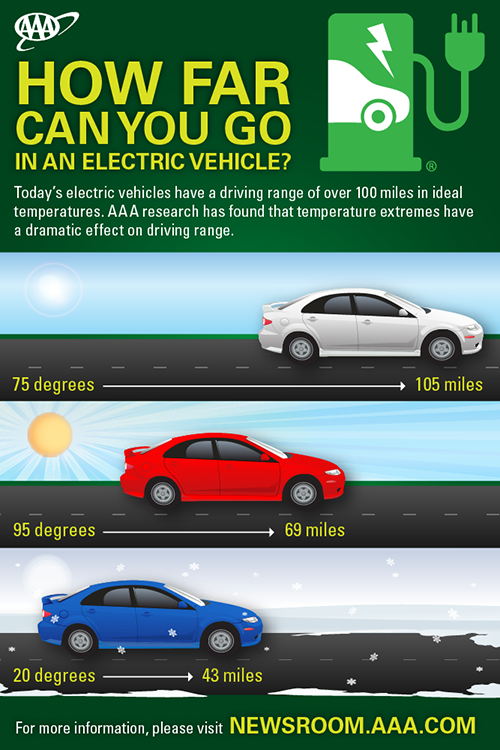
Cold weather lowers battery efficiency. Heating the car uses extra power. Hot weather can also reduce range if air conditioning runs a lot. Mild temperatures help the battery work best. Weather affects how far an electric car can go.
Terrain And Road Type
Hilly roads use more energy than flat roads. Climbing steep slopes drains the battery faster. Smooth, paved roads help save energy. Rough or gravel roads increase energy use. Terrain changes impact electric car range.
Use Of Accessories And Climate Control
Using lights, radio, or heated seats uses some battery power. Climate control systems like air conditioning or heating use more energy. Turning off unused accessories can save battery. Managing these helps increase driving range.

Credit: www.thisismoney.co.uk
Typical Range Of Popular Electric Cars
Electric cars vary widely in how far they can travel on a single charge. This range depends on the model, battery size, and technology. Understanding typical ranges helps buyers choose the right car for their needs. Here is a look at the typical range of popular electric cars across different categories.
Entry-level Models
Entry-level electric cars usually offer shorter ranges. Most provide between 120 and 180 miles per charge. These models suit city driving and short trips well. They are affordable and easy to charge at home.
Mid-range Vehicles
Mid-range electric cars often have batteries that last longer. Their range typically falls between 200 and 300 miles. These cars balance price, comfort, and driving distance. They work well for daily commutes and occasional longer trips.
Luxury Electric Cars
Luxury electric cars come with larger batteries and advanced tech. Many offer ranges above 300 miles per charge. These vehicles focus on performance and style. They attract buyers who want both luxury and long-distance capability.
Electric Suvs And Trucks
Electric SUVs and trucks vary in range due to size and weight. Most offer between 200 and 350 miles per charge. These vehicles combine utility with electric power. They appeal to those needing more space and towing power.
Maximizing Electric Car Range
Maximizing the range of an electric car helps you travel farther on a single charge. This saves time and reduces charging stops. Many small actions can add up to big improvements. Simple habits and care keep your electric car running efficiently.
Efficient Driving Techniques
Drive smoothly without sudden stops or quick acceleration. Use cruise control on highways to keep speed steady. Avoid speeding, as high speeds drain the battery faster. Coast when possible and brake gently to save energy.
Regular Maintenance Tips
Keep the battery and motor in good condition with regular check-ups. Follow the car’s service schedule to maintain peak performance. Clean air filters help the electric system work better. Check the brakes and suspension often for smooth driving.
Tire Selection And Pressure
Choose tires made for electric cars or low rolling resistance tires. These reduce energy loss and improve mileage. Check tire pressure weekly and keep it at the recommended level. Underinflated tires use more energy and wear out faster.
Reducing Weight And Drag
Remove unnecessary items from the car to lower weight. Extra weight makes the motor work harder and use more battery. Keep windows closed at high speeds to reduce air drag. Roof racks and carriers increase wind resistance and lower range.

Credit: www.youtube.com
Charging And Range Recovery
Charging and range recovery are key parts of driving an electric car. The time it takes to recharge affects how far you can drive. Knowing about charging types and battery care helps you plan trips better. It also keeps your car running longer.
Types Of Charging Stations
There are three main types of charging stations: Level 1, Level 2, and DC fast charging. Level 1 uses a regular home outlet and is the slowest. It adds about 4 to 5 miles of range per hour. Level 2 chargers are faster and found at homes and public places. They add 20 to 30 miles of range per hour. DC fast chargers are the quickest. They can add 60 to 100 miles in 20 minutes. Knowing these helps you choose the right spot to charge.
Fast Charging Impact On Battery
Fast charging saves time but can heat the battery. Too much heat may reduce battery life. Most electric cars have systems to protect the battery. Still, regular fast charging might cause faster battery wear. It is best to use fast charging only during trips or emergencies. Slow charging is gentler and better for daily use.
Planning Long Trips
Long trips need careful planning for charging stops. Use apps or maps to find charging stations along the way. Plan breaks around charging time to rest and eat. Check your car’s range and the charger type at each stop. Carrying a backup charging cable can help in unknown places. Preparing ahead reduces stress and keeps the trip smooth.
Battery Degradation Over Time
All batteries lose capacity as they age. This means your car’s range will slowly drop. Factors like heat, fast charging, and driving habits affect battery health. Keeping the battery between 20% and 80% charge helps it last longer. Avoid letting the battery run completely empty. Regular check-ups can detect problems early and keep your car reliable.
Future Trends In Electric Car Range
The range of electric cars is improving fast. New technologies and smart designs help cars drive farther on a single charge. These changes make electric cars more useful for daily travel and long trips. Understanding future trends shows how electric cars will become better soon.
Better batteries, smarter energy use, lighter parts, and clean energy all play a role. These trends help increase driving distance and reduce charging stops. Let’s explore the key future trends that will shape electric car range.
Advancements In Battery Technology
Batteries are the heart of electric cars. New battery types store more energy in smaller sizes. Solid-state batteries offer higher capacity and last longer. Faster charging speeds reduce wait times. These improvements mean cars can travel farther and recharge quickly.
Improved Energy Management Systems
Smart systems control how cars use energy. They adjust power use based on driving conditions. Regenerative braking recovers energy while slowing down. Better software helps save battery power and extend range. This means cars use energy more wisely on every trip.
Lightweight Materials And Design
Lighter cars need less energy to move. Manufacturers use materials like aluminum and carbon fiber. These materials reduce overall car weight without losing strength. Streamlined designs cut air resistance. Together, they help electric cars travel farther with the same battery size.
Integration With Renewable Energy
Electric cars can connect with solar and wind power. Charging with clean energy lowers carbon footprints. Some cars store energy from home solar panels. This use of renewables supports longer, greener trips. It also helps balance power supply and demand for the grid.
Credit: exchange.aaa.com
Frequently Asked Questions
How Far Can Electric Cars Typically Travel On A Full Charge?
Electric cars usually travel between 150 to 370 miles on a full charge. Range depends on battery size, car model, and driving conditions. Newer models often offer longer ranges, improving convenience for daily use and long trips.
What Factors Affect An Electric Car’s Driving Range?
Driving range depends on battery capacity, speed, weather, terrain, and use of climate control. Cold weather and high speeds reduce range, while eco-friendly driving and moderate temperatures help extend it.
How Long Does It Take To Recharge An Electric Car?
Charging time varies from 30 minutes to 12 hours. Fast chargers fill 80% battery in about 30 minutes. Home chargers take longer but are convenient overnight solutions.
Can Electric Cars Handle Long Road Trips Effectively?
Yes, with proper planning and access to fast chargers. Many EVs support long trips, but charging stops are needed. Apps help locate charging stations along the route.
Conclusion
Electric cars can drive different distances depending on many factors. Battery size, driving speed, and weather all change how far you go. Most models today can travel between 150 to 300 miles on one charge. Charging stations are growing, making longer trips easier.
As technology improves, electric cars will go even farther. Choosing the right car depends on your daily needs. Quiet rides, low fuel costs, and clean energy make electric cars a smart choice. Keep these points in mind when thinking about electric car range.