

If you’ve just brought home waxed amaryllis bulbs, you’re probably eager to see their stunning blooms brighten your space. But to enjoy their beauty for as long as possible, you need to know the right way to care for them.
Without proper care, your bulbs might fail to thrive or bloom again next season. You’ll discover simple, effective tips that make caring for waxed amaryllis bulbs easy and rewarding. Keep reading to unlock the secrets that will help your bulbs flourish and fill your home with vibrant color.
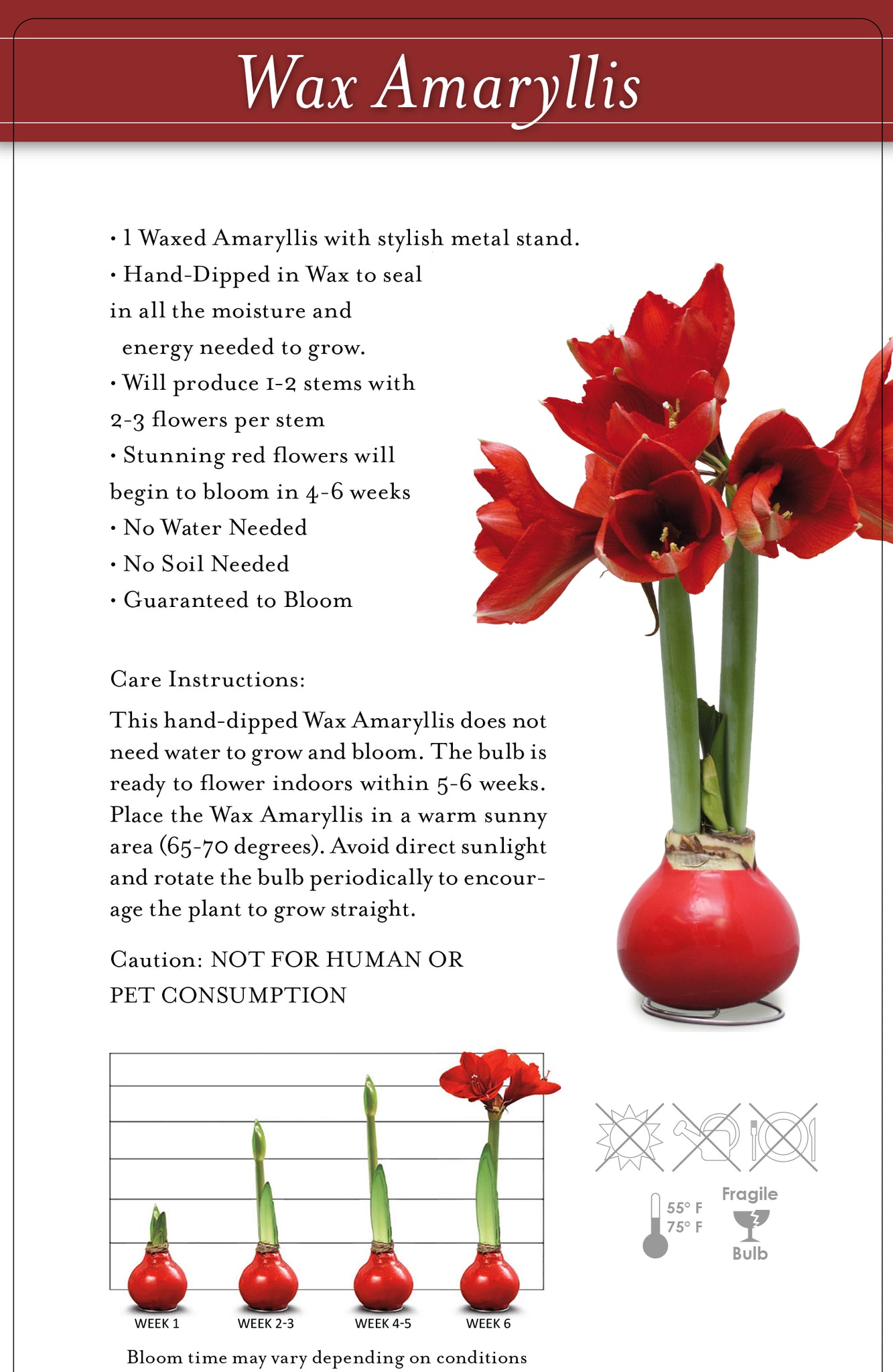
Credit: hollandbeauty.com
Choosing Quality Waxed Amaryllis Bulbs
Choosing quality waxed amaryllis bulbs is key for strong blooms. Good bulbs grow faster and last longer. Picking the right bulb saves time and effort. This section helps you spot the best bulbs for your garden or home.
Identifying Healthy Bulbs
Healthy bulbs are firm and heavy. Avoid soft or shriveled bulbs. Check for spots or mold. A clean, smooth surface shows good health. Smell the bulb; it should not be sour. Fresh bulbs have a mild, earthy scent.
Selecting Bulb Sizes For Best Blooms
Bigger bulbs produce larger flowers. Small bulbs bloom later and may have fewer flowers. Choose bulbs at least 6 inches wide. Larger bulbs give a fuller, brighter display. Size affects bloom strength and lifespan.
Preparing For Planting
Preparing waxed amaryllis bulbs for planting is key to healthy growth. Proper preparation helps bulbs bloom beautifully and last longer. This section guides you through choosing the right container, soil mix, and planting depth.
Choosing The Right Container
Pick a pot with good drainage holes. Waxed amaryllis bulbs do not like soggy soil. The container should be about 6 to 8 inches wide. It must fit the bulb snugly without crowding. A clay or ceramic pot works well to control moisture.
Soil Mix Recommendations
Use loose, well-draining soil for best results. A mix of potting soil, sand, and peat moss works great. Avoid heavy or clay soils that hold water. Add perlite or vermiculite to improve aeration. The soil should stay moist but never wet.
Optimal Planting Depth
Plant the bulb so one-third stays above the soil. This helps prevent rot and allows the stem to grow strong. Press the soil gently around the bulb to hold it firm. Leave space at the top for watering and growth.
Watering And Moisture Control
Watering and moisture control are vital for waxed amaryllis bulbs. These bulbs do not need much water at first. Too much water can cause damage. Proper moisture helps the bulb grow strong and bloom beautifully.
Initial Watering Tips
After planting the waxed amaryllis bulb, water it lightly. Use just enough water to moisten the soil. Avoid soaking the bulb or soil. Keep the soil damp, not wet. This helps the bulb start its growth without rotting.
Maintaining Proper Soil Moisture
Check the soil regularly to keep it slightly moist. Water the soil only when the top inch feels dry. Use a watering can with a small spout for control. Water slowly to let the moisture soak in. Consistent moisture supports healthy roots and blooms.
Avoiding Overwatering Risks
Too much water can cause the bulb to rot. Avoid leaving the bulb in standing water. Ensure the pot has drainage holes to remove extra water. Overwatering leads to mold and weak growth. Proper drainage and careful watering keep the bulb safe.
Ideal Light And Temperature Conditions
Waxed amaryllis bulbs need the right light and temperature for healthy growth and beautiful blooms. These conditions help the plant stay strong and produce bright flowers. Understanding the best light and temperature makes caring for your waxed amaryllis easier and more successful.
Best Light Exposure For Growth
Place the waxed amaryllis in a spot with bright, indirect light. Direct sunlight can harm the leaves and bulbs. A window with filtered light works well. Avoid dark corners or deep shade. The plant needs enough light to grow leaves and flowers. Bright, indirect light keeps the plant healthy and vibrant.
Temperature Ranges For Blooming
Keep the temperature between 60°F and 70°F (15°C to 21°C) for best blooming. Too cold or too hot can stop flower growth. Avoid placing the plant near drafts or heat sources. Consistent room temperature helps the bulbs bloom fully. Cooler nights around 55°F (13°C) can encourage longer-lasting flowers.
Fertilizing For Healthy Blooms
Fertilizing waxed amaryllis bulbs helps them grow strong and bloom well. The right nutrients support healthy leaves and big flowers. Regular feeding keeps the bulbs full of energy. This section explains how to choose fertilizer and when to feed your plants.
Choosing The Right Fertilizer
Select a balanced fertilizer with equal parts nitrogen, phosphorus, and potassium. A 10-10-10 formula works well for waxed amaryllis. Avoid fertilizers with too much nitrogen, which can cause more leaves but fewer flowers. Slow-release fertilizers provide nutrients over time, reducing the need for frequent feeding. Liquid fertilizers are good for quick nutrient boosts.
Feeding Schedule For Waxed Amaryllis
Feed the bulbs every two to four weeks during the growing season. Start feeding after the first leaves appear. Stop fertilizing once the flowers bloom to avoid stressing the plant. Use half the recommended strength for liquid fertilizers to prevent root burn. Keep the soil moist but not soggy during feeding times.

Credit: www.jacksonandperkins.com
Managing Pests And Diseases
Managing pests and diseases is key to keeping waxed amaryllis bulbs healthy. Pests can damage the bulbs and leaves. Diseases can cause the plant to wilt or stop growing. Early detection helps to protect your plants. Regular checks for any signs of trouble make care easier. Understanding common problems and how to control them is important.
Common Issues To Watch For
Look for aphids, spider mites, and mealybugs on leaves and bulbs. These insects suck plant juices and weaken growth. Yellowing leaves or sticky spots often signal pests. Fungal diseases like bulb rot and leaf spot can also occur. Bulb rot causes soft, dark patches on the bulb. Leaf spot shows as small, dark marks on the foliage. Watch for wilting or stunted growth too. These signs mean your plant needs attention.
Natural And Chemical Control Methods
Use insecticidal soap or neem oil to control pests naturally. Spray leaves and bulbs carefully, repeating every few days. Remove heavily infested parts to stop spread. For fungal problems, use a fungicide suitable for bulbs. Good air circulation and proper watering reduce disease risk. Avoid overwatering to prevent bulb rot. Chemical treatments work fast but always follow instructions. Protect your waxed amaryllis with regular care and simple steps.
Post-bloom Care
After your waxed amaryllis bulbs finish blooming, proper care helps them stay healthy. Post-bloom care encourages the bulbs to grow strong and bloom again next season. Treating the plant with attention during this phase is important. Let’s explore how to care for waxed amaryllis bulbs after flowering.
Deadheading And Pruning
Remove spent flowers by cutting the flower stalks close to the bulb. This stops the plant from wasting energy on seed production. Leave the green leaves intact. They continue to make food for the bulb through photosynthesis. Trim only yellow or damaged leaves to keep the plant tidy. Deadheading helps the bulb focus on storing energy.
Preparing Bulbs For Dormancy
After the leaves turn yellow, reduce watering gradually. Allow the soil to dry out to signal dormancy. Move the bulbs to a cool, dark place for 8 to 10 weeks. Keep them dry during this time to prevent rotting. Once dormancy ends, bring the bulbs back to light and water again. This rest period is key for strong future blooms.

Credit: yardandgarden.extension.iastate.edu
Reblooming Tips And Tricks
Waxed amaryllis bulbs bring beauty indoors, but their charm can last longer. Helping these bulbs bloom again takes simple care and attention. Following easy steps ensures bright flowers return next season. Keep reading to discover how to encourage your waxed amaryllis to bloom year after year.
Stimulating Next Season’s Blooms
After flowering, cut the flower stalk close to the bulb. Leave the leaves to grow and soak up sunlight. Healthy leaves feed the bulb energy for future blooms. Water the bulb regularly, but avoid overwatering. Use a balanced fertilizer every two weeks for strong growth. Place the bulb in a sunny window for at least six hours daily. This light helps the bulb build strength for next season’s flowers.
Storage And Rest Period Guidelines
Once leaves yellow and die back, stop watering. Let the bulb rest in a cool, dark place for 8 to 12 weeks. Ideal storage temperature is between 50-55°F (10-13°C). Avoid freezing or very warm spots. After rest, repot the bulb in fresh soil. Move it back to a bright location and resume watering. This rest period is crucial to trigger new growth and blooms.
Frequently Asked Questions
How Do I Water Waxed Amaryllis Bulbs Properly?
Water waxed amaryllis bulbs sparingly. Keep the soil moist but avoid overwatering to prevent bulb rot. Water when the top inch of soil feels dry.
Can Waxed Amaryllis Bulbs Be Reused Yearly?
Yes, waxed amaryllis bulbs can be reused. Store them in a cool, dry place after blooming. Replant when ready for new growth.
What Light Conditions Suit Waxed Amaryllis Bulbs Best?
Place waxed amaryllis bulbs in bright, indirect light. Avoid direct sunlight to prevent leaf scorch. Adequate light encourages healthy blooms.
How Do I Encourage Waxed Amaryllis Bulbs To Bloom?
Provide a cool rest period after flowering. Reduce watering and keep bulbs in a dark, cool place for 8-10 weeks before replanting. This triggers blooming.
Conclusion
Caring for waxed amaryllis bulbs is simple and rewarding. Keep them in a cool, dry place after blooming. Water sparingly and avoid direct sunlight. Watch for signs of rot or pests. With regular care, bulbs will bloom beautifully each season.
Enjoy the bright, festive flowers in your home. Small efforts bring lasting joy and color. Easy steps make your bulbs thrive year after year. Give your amaryllis the attention it needs to grow strong.

