

If you drive a diesel vehicle, knowing how to change your diesel fuel filter is a skill that can save you time and money. A clogged fuel filter can cause your engine to run poorly or even stop working altogether.
But don’t worry—changing it yourself is easier than you might think. In this guide, you’ll find simple steps to get the job done quickly and safely. By the end, you’ll feel confident maintaining your diesel engine and avoiding costly repairs.
Ready to take control of your vehicle’s performance? Let’s dive in.

Credit: www.youtube.com
Signs Of A Clogged Diesel Fuel Filter
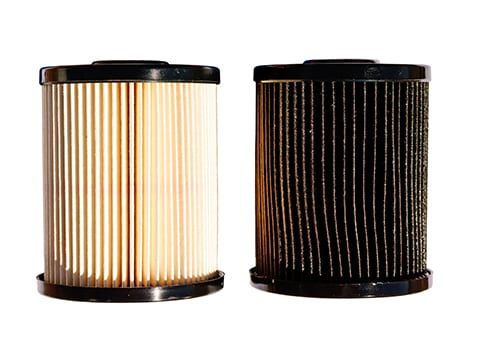
A clogged diesel fuel filter can cause many problems for your vehicle. It blocks the flow of fuel to the engine. This makes the engine work harder and less efficiently. Recognizing the signs early can save you time and money. Here are some common signs that your diesel fuel filter needs changing.
Engine Performance Issues
The engine may run rough or lose power. You might notice hesitation when you press the gas pedal. The vehicle could stall or jerk during driving. These are clear signs that fuel is not reaching the engine properly.
Fuel Efficiency Drop
Your vehicle may use more fuel than usual. A clogged filter forces the engine to work harder. This lowers fuel economy and increases costs. Pay attention to sudden drops in miles per gallon.
Starting Problems
It might take longer to start your diesel engine. The engine may crank but fail to start quickly. This happens because the clogged filter restricts fuel flow. Frequent hard starts mean it’s time to check the fuel filter.
Credit: www.waynesautocenter.com
Tools And Materials Needed
Changing a diesel fuel filter needs the right tools and materials. Having everything ready makes the job easier and faster. Safety is also important to protect yourself and avoid spills.
Replacement Fuel Filter
Start with a new diesel fuel filter. Choose one that fits your vehicle’s make and model. A proper filter keeps dirt and water out of the engine. Check the part number on your old filter or your vehicle manual.
Wrenches And Screwdrivers
You will need wrenches to loosen and tighten bolts. A set of open-end or socket wrenches works well. Screwdrivers help remove clamps or covers around the filter. Pick the right size to avoid damaging screws or bolts.
Container For Old Fuel
Use a container to catch fuel from the old filter. Diesel fuel can spill during removal. A clean, leak-proof container prevents mess and waste. Dispose of the old fuel safely according to local rules.
Safety Gear
Wear gloves to protect your hands from fuel and dirt. Safety glasses keep fuel or debris out of your eyes. Work in a well-ventilated area to avoid breathing fumes. Keep a cloth nearby to wipe any spills quickly.
Preparing For The Replacement
Preparing for a diesel fuel filter replacement is important. Proper preparation helps avoid mistakes and keeps the task safe. Follow clear steps before starting the replacement. This section guides you through key preparation stages.
Locating The Fuel Filter
First, find the diesel fuel filter in your vehicle. It is usually near the engine or fuel tank. Check your vehicle’s manual if unsure. Knowing the exact location saves time during the replacement.
Relieving Fuel System Pressure
Next, release the pressure in the fuel system. This step prevents fuel spray and spills. Turn off the engine and open the fuel cap. Use a pressure relief valve if your vehicle has one.
Ensuring Safety Precautions
Safety is crucial before starting the work. Wear gloves and safety glasses to protect yourself. Work in a well-ventilated area to avoid inhaling fumes. Keep a fire extinguisher nearby, just in case.
Step-by-step Filter Removal
Changing a diesel fuel filter requires careful steps. Removing the old filter correctly helps avoid engine problems. Follow these instructions to safely remove the filter.
Disconnecting The Battery
Start by disconnecting the vehicle’s battery. This step prevents electrical sparks. Use a wrench to loosen the negative terminal. Remove the cable and keep it away from the battery. Safety first.
Removing Fuel Lines
Next, locate the fuel lines connected to the filter. Use pliers to loosen the clamps. Gently pull the lines off the filter. Be ready for some fuel spillage. Use a cloth to catch any drips.
Taking Out The Old Filter
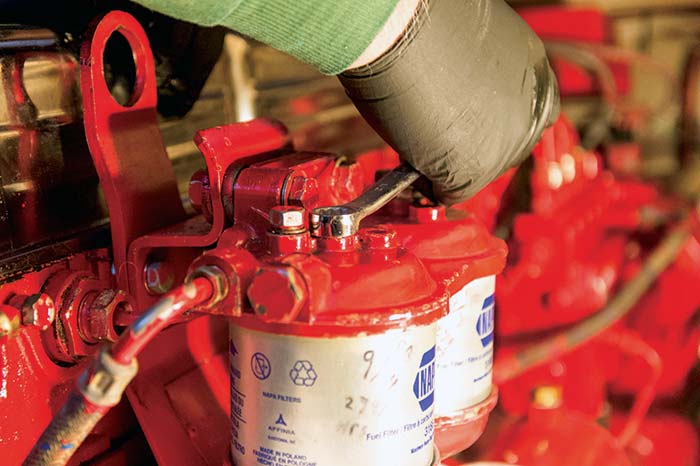
Find the bolts or screws holding the filter in place. Use the right tool to remove them carefully. Pull the old filter out slowly. Dispose of it properly to avoid spills. Make sure the area is clean before installing a new filter.
Installing The New Fuel Filter
Installing the new diesel fuel filter requires careful steps to ensure your engine runs smoothly. This part stops dirt and rust from entering the fuel system. Proper installation keeps your vehicle healthy and avoids breakdowns.
Positioning The New Filter
Place the new fuel filter in the holder exactly like the old one. Look for arrows or labels showing the flow direction. The fuel must enter and exit correctly for the filter to work well. Hold the filter firmly but do not force it.
Reattaching Fuel Lines
Reconnect the fuel lines to the filter’s connectors carefully. Push the lines fully onto the fittings to avoid leaks. Tighten any clamps or screws that hold the lines in place. Loose connections cause fuel to leak and can harm the engine.
Checking For Leaks
Turn on the engine and watch the fuel filter area closely. Look for any signs of fuel dripping or wet spots. If you see leaks, switch off the engine and tighten the connections again. No leaks mean the filter is installed correctly and ready to use.
Credit: vesselvanguard.com
Post-replacement Checks
After replacing the diesel fuel filter, checking the system is vital. This step ensures your engine works smoothly and avoids future problems. Follow these simple checks to confirm the job is done right.
Priming The Fuel System
Priming fills the fuel lines and filter with diesel. It removes air that can stop the engine from starting. Use the hand primer pump or follow your vehicle’s guide. Pump slowly until you feel resistance. This means the system is full and ready.
Starting The Engine
Start the engine gently after priming. Let it run for a few minutes. Listen for unusual sounds or rough idling. If the engine struggles, it might still have air in the lines. Turn off the engine and prime again if needed.
Monitoring Performance
Drive the vehicle and watch how it runs. Look for smooth acceleration and steady power. Watch the dashboard for warning lights. Check for leaks around the filter area. Good performance shows the filter change was successful.
Maintenance Tips For Fuel Filters
Keeping your diesel fuel filter in good shape helps your engine run well. Fuel filters catch dirt and water. This stops damage and keeps fuel clean. Follow simple steps to maintain your fuel filter. These tips save money and prevent engine problems.
Replacement Frequency
Change the fuel filter as the manual says. Usually, every 10,000 to 25,000 miles is best. Old filters block fuel flow. This lowers engine power and causes starting trouble. Fresh filters keep fuel flowing smoothly and protect the engine.
Using Quality Fuel
Use clean diesel from trusted stations. Low-quality fuel has dirt and water. These harm the fuel filter and engine. Good fuel keeps the filter clean longer. It also helps the engine perform better and last longer.
Regular System Inspections
Check the fuel system often for leaks or damage. Look at the filter for cracks or dirt build-up. Fix small problems early. This prevents bigger, costly repairs. Regular checks keep the fuel system healthy and your vehicle reliable.
Frequently Asked Questions
How Often Should I Change A Diesel Fuel Filter?
Diesel fuel filters should be replaced every 15,000 to 25,000 miles. Check your vehicle’s manual for specific intervals. Regular changes prevent clogs and engine damage.
What Tools Are Needed To Change A Diesel Fuel Filter?
You need a wrench, screwdrivers, a drain pan, and replacement filters. Some models require special tools. Always have gloves and safety glasses for protection.
Can I Change The Diesel Fuel Filter Myself?
Yes, with basic mechanical skills, you can change it. Follow safety steps and vehicle instructions carefully. If unsure, consult a professional to avoid damage.
What Are Signs Of A Clogged Diesel Fuel Filter?
Symptoms include engine misfires, reduced power, rough idling, and difficulty starting. Noticeable fuel smell and poor fuel efficiency also indicate a clogged filter.
Conclusion
Changing your diesel fuel filter keeps your engine running well. It prevents dirt and water from damaging parts. Regular changes help save money on repairs. Always follow safety steps to avoid spills or injuries. Taking time to do it right pays off later.
Now you know how to change the filter yourself. Keep your vehicle healthy and enjoy smooth rides. Simple care makes a big difference in diesel engine life.


