

If you drive a diesel vehicle, you might wonder how often you should change your fuel filter. Ignoring this simple maintenance step can lead to costly engine problems and poor performance.
But don’t worry—knowing the right time to replace your diesel fuel filter can keep your engine running smoothly and save you money. You’ll discover the key signs to watch for, how often you really need to change your fuel filter, and tips to make sure your diesel engine stays in top shape.
Keep reading to protect your vehicle and avoid unexpected breakdowns.
Role Of A Diesel Fuel Filter
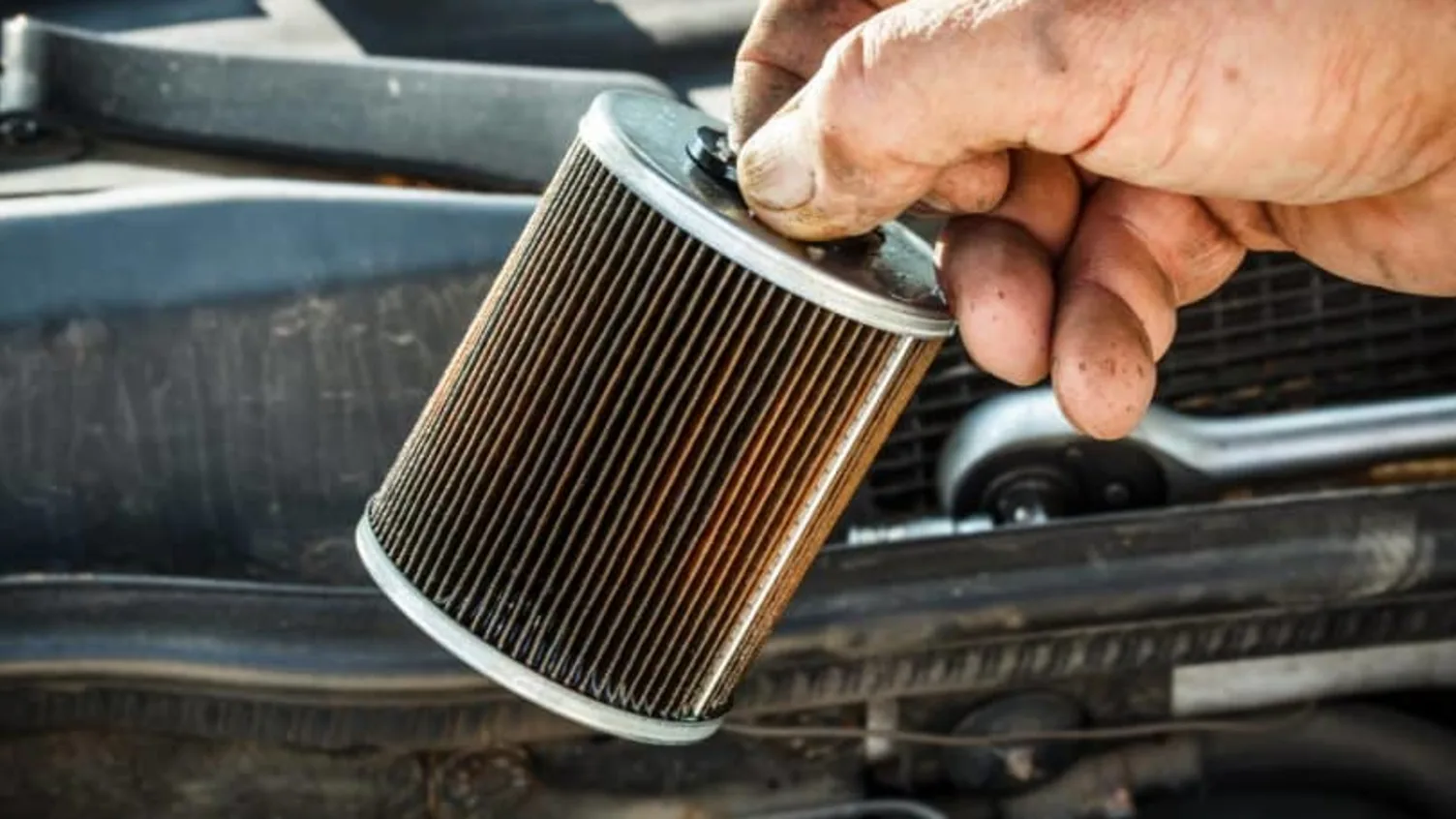
The diesel fuel filter plays a key role in keeping your engine clean and running well. It removes dirt, rust, and other particles from the fuel. This helps your vehicle avoid damage and work smoothly. Understanding this role helps you see why regular filter changes are important.
Filtering Contaminants
The fuel filter stops dirt, dust, and water from reaching the engine. Diesel fuel often contains tiny particles that can harm engine parts. The filter catches these particles before they enter the fuel system. This keeps the fuel clean and safe for the engine.
Protecting Engine Components
The filter protects sensitive engine parts like fuel injectors and pumps. Dirty fuel can cause blockages and wear down these parts quickly. A clean filter helps avoid costly repairs by stopping contaminants early. It extends the life of the engine components.
Impact On Performance
A clean fuel filter supports strong engine performance. It ensures fuel flows smoothly and burns efficiently. A clogged filter causes poor fuel flow and engine problems. Regular filter changes help maintain good power and fuel economy.
Signs Of A Clogged Fuel Filter
A clogged fuel filter in a diesel engine can cause several problems. It stops fuel from flowing properly. This affects engine performance and can lead to bigger issues if ignored.
Recognizing the signs of a clogged fuel filter early helps avoid costly repairs. Watch for changes in how your engine runs and starts. These signs show that the fuel filter might need changing.
Reduced Engine Power
Your engine may lose power during driving. It feels weaker, especially when going uphill or towing. The car may struggle to accelerate. This happens because less fuel reaches the engine.
Starting Issues
The engine may take longer to start or may not start at all. You might hear the starter turning but the engine won’t catch. Clogged filters block fuel flow, making starting difficult.
Unusual Engine Noises
You might hear sputtering or coughing sounds from the engine. These noises appear during idling or acceleration. They occur because the engine is not getting enough fuel consistently.
Recommended Change Intervals
Knowing the right time to change your diesel fuel filter is key. It helps keep your engine clean and running well. Changing it too late can cause problems. Changing it too soon wastes money. Let’s explore the recommended intervals for fuel filter changes.
Manufacturer Guidelines
Car makers provide the best advice for fuel filter changes. They test their vehicles carefully. Their manuals show exact intervals for each model. Follow these guidelines for best results. They protect your engine and keep the warranty valid.
Mileage-based Recommendations
Many experts suggest changing the filter based on miles driven. A common range is 15,000 to 25,000 miles. Some trucks need changes sooner. Check your vehicle’s typical use and road conditions. More dirt means more frequent changes.
Time-based Recommendations
Fuel filters also age with time, even if you drive less. Changing the filter every 12 months is often recommended. This prevents clogging from old fuel and moisture. Regular yearly checks keep your diesel engine healthy.

Credit: www.youtube.com
Factors Affecting Filter Lifespan
The lifespan of a diesel fuel filter depends on several key factors. These factors influence how often you need to replace the filter. Understanding them helps maintain your vehicle’s performance and avoid engine problems.
Fuel Quality
Fuel quality plays a big role in filter life. Poor quality diesel contains more dirt and water. These impurities clog the filter faster. Cleaner fuel means the filter lasts longer. Always use fuel from trusted sources.
Driving Conditions
Driving in dusty or rough areas wears the filter quicker. Dust and debris enter the fuel system more often. Stop-and-go traffic also stresses the filter. Smooth highway driving causes less filter strain.
Vehicle Usage Patterns
How often and how far you drive affects filter life. Frequent short trips do not let the filter clear well. Long trips at steady speeds help keep the filter clean. Heavy loads or towing increase fuel demand and filter use.
Changing The Diesel Fuel Filter
Changing the diesel fuel filter is important for engine health. A clean filter helps fuel flow smoothly. It stops dirt and water from reaching the engine. Regular changes keep your diesel engine running well and save costly repairs.
Tools And Materials Needed
- New diesel fuel filter
- Wrenches or socket set
- Fuel catch pan or container
- Clean rags or paper towels
- Gloves to protect your hands
- Screwdrivers (flathead or Phillips)
- Safety glasses
- Owner’s manual for specific instructions
Step-by-step Replacement Process
- Turn off the engine and let it cool down.
- Locate the diesel fuel filter; check your manual.
- Place the fuel catch pan under the filter.
- Loosen the filter’s clamps or bolts carefully.
- Remove the old filter and drain fuel into the pan.
- Clean the filter housing with a rag.
- Install the new filter, aligning it correctly.
- Tighten clamps or bolts securely but avoid overtightening.
- Prime the fuel system if needed, using the manual.
- Start the engine and check for leaks.
Safety Precautions
- Wear gloves and safety glasses to avoid fuel contact.
- Work in a well-ventilated area to avoid fumes.
- Keep fire sources away; diesel is flammable.
- Dispose of old fuel and filters properly.
- Use tools carefully to prevent injuries.
- Follow manufacturer instructions closely.

Credit: blog.highflowfuel.com
Consequences Of Neglecting Filter Changes
Neglecting to change your diesel fuel filter can lead to serious problems. Over time, dirt and debris clog the filter. This blockage stops fuel from flowing properly. The engine has to work harder. This causes damage and lowers performance.
Dirty fuel filters also affect how your vehicle uses fuel. The engine burns more fuel to keep running. This leads to poor fuel efficiency and higher costs. Small issues can quickly grow into costly repairs without regular filter changes.
Engine Damage Risks
A clogged fuel filter restricts fuel flow to the engine. The engine may stall or run rough. Dirt particles can reach the engine parts. This causes wear and damage over time. Repairing engine damage is expensive and time-consuming.
Fuel Efficiency Loss
Fuel filters keep contaminants out of the fuel system. A dirty filter makes the engine burn more fuel. This reduces miles per gallon. You spend more on fuel than needed. Clean filters help maintain good fuel economy.
Increased Repair Costs
Ignoring filter changes leads to bigger problems. Clogged filters cause fuel pump strain and engine damage. Repairing these parts costs a lot. Regular filter changes prevent costly repairs. Save money by maintaining the fuel filter on time.
Tips To Extend Fuel Filter Life
Extending the life of your diesel fuel filter saves money and avoids engine problems. Simple habits and careful attention help your filter work longer. These tips keep your fuel system clean and efficient. Follow them to reduce the need for frequent changes.
Using High-quality Fuel
Good fuel contains fewer impurities. This means less dirt and water reach the filter. Choose fuel from trusted stations. Avoid cheap or unknown sources. Clean fuel helps the filter last longer and protects the engine.
Regular Vehicle Maintenance
Check and change filters at the right time. Follow your vehicle’s service schedule. Replace fuel filters before they clog. Clean other parts like fuel tanks and lines regularly. Proper maintenance prevents filter damage and keeps fuel flowing smoothly.
Monitoring Fuel System Performance
Watch for signs of fuel problems. Poor engine power, rough idling, or hard starts may signal filter issues. Use diagnostic tools if available. Early detection helps fix problems before the filter fails. Keep the system clean to extend filter life.
Credit: www.bigboxcars.com.au
Frequently Asked Questions
How Often Should Diesel Fuel Filters Be Replaced?
Diesel fuel filters should typically be changed every 20,000 to 40,000 miles. Check your vehicle manual for exact intervals. Regular replacement prevents clogging and maintains engine efficiency.
What Are Signs Of A Clogged Diesel Fuel Filter?
Common signs include engine misfires, reduced power, rough idling, and difficulty starting. These symptoms indicate restricted fuel flow, signaling the need for a fuel filter change.
Can I Change My Diesel Fuel Filter Myself?
Yes, with basic mechanical skills and proper tools, you can replace the fuel filter. Always follow safety precautions and consult your vehicle’s manual for specific instructions.
Why Is Changing Diesel Fuel Filters Important?
Changing fuel filters removes contaminants like dirt and rust. This protects the engine’s fuel system and improves fuel efficiency, preventing costly repairs and breakdowns.
Conclusion
Changing your diesel fuel filter regularly keeps your engine healthy. Clean filters stop dirt from reaching the engine parts. This helps your vehicle run smoothly and saves money on repairs. Check your owner’s manual for the right change interval. Dirt and water in fuel can cause serious damage.
Don’t wait for problems to appear. Stay ahead by replacing the filter on time. A small step that protects your diesel engine and improves performance. Simple care makes a big difference in the long run.

