If you drive a Chevy Colorado, you know how important it is to keep your truck running smoothly. One key part of that is the fuel filter.
Over time, it can get clogged and affect your engine’s performance. But don’t worry—you don’t have to be a mechanic to change it yourself. In this guide, you’ll learn exactly how to change the fuel filter on your Chevy Colorado step by step.
By the end, you’ll save money, boost your truck’s efficiency, and feel confident handling this simple maintenance task on your own. Keep reading to find out how easy it really is!
Fuel Filter Basics
The fuel filter is a small but very important part of your Chevy Colorado. It cleans the fuel before it reaches the engine. Dirt and particles can enter the fuel tank. The filter stops these impurities from causing damage. A clean fuel filter helps the engine run smoothly and last longer.
Knowing the basics about the fuel filter helps you keep your truck in good shape. It also helps you know when to change the filter. This section explains its role and the signs of a clogged filter.
Role In Engine Performance
The fuel filter protects the engine by trapping dirt and rust. Clean fuel improves engine power and fuel efficiency. It also helps prevent engine misfires and stalling. A good filter keeps fuel flowing properly. This supports smooth driving and engine health.
Signs Of A Clogged Filter
Watch for slow engine start or rough idling. The engine may hesitate during acceleration. Fuel smell or poor fuel economy can also show a problem. These signs mean the filter is dirty or clogged. Changing the filter can fix these issues fast.

Credit: www.youtube.com
Tools And Materials Needed
Changing the fuel filter on a Chevy Colorado requires the right tools and materials. Using proper equipment helps complete the task smoothly. It also keeps your vehicle safe and running well. Before starting, gather everything you need to avoid interruptions.
Essential Tools
Start with a basic socket set. A ratchet and extension help reach tight spots. You need a wrench set to loosen fittings. A fuel line disconnect tool is vital for some models. Have a drain pan ready to catch fuel spills. Clean rags help wipe away dirt and fuel. A new fuel filter designed for the Chevy Colorado completes the list.
Safety Gear
Safety comes first while working on fuel systems. Wear safety glasses to protect your eyes. Use gloves to keep hands safe from fuel and dirt. Work in a well-ventilated area to avoid fumes. Keep a fire extinguisher nearby for emergencies. Avoid open flames or sparks near the vehicle. These precautions reduce risks during the filter change.
Preparing Your Chevy Colorado
Changing the fuel filter on your Chevy Colorado starts with proper preparation. This step keeps you safe and makes the job easier. Before you begin, gather all the tools and safety gear you need. A clean workspace helps avoid mistakes and accidents.
Understanding the parts and steps involved saves time. Take your time to prepare well. This way, you can change the fuel filter smoothly and correctly.
Locating The Fuel Filter
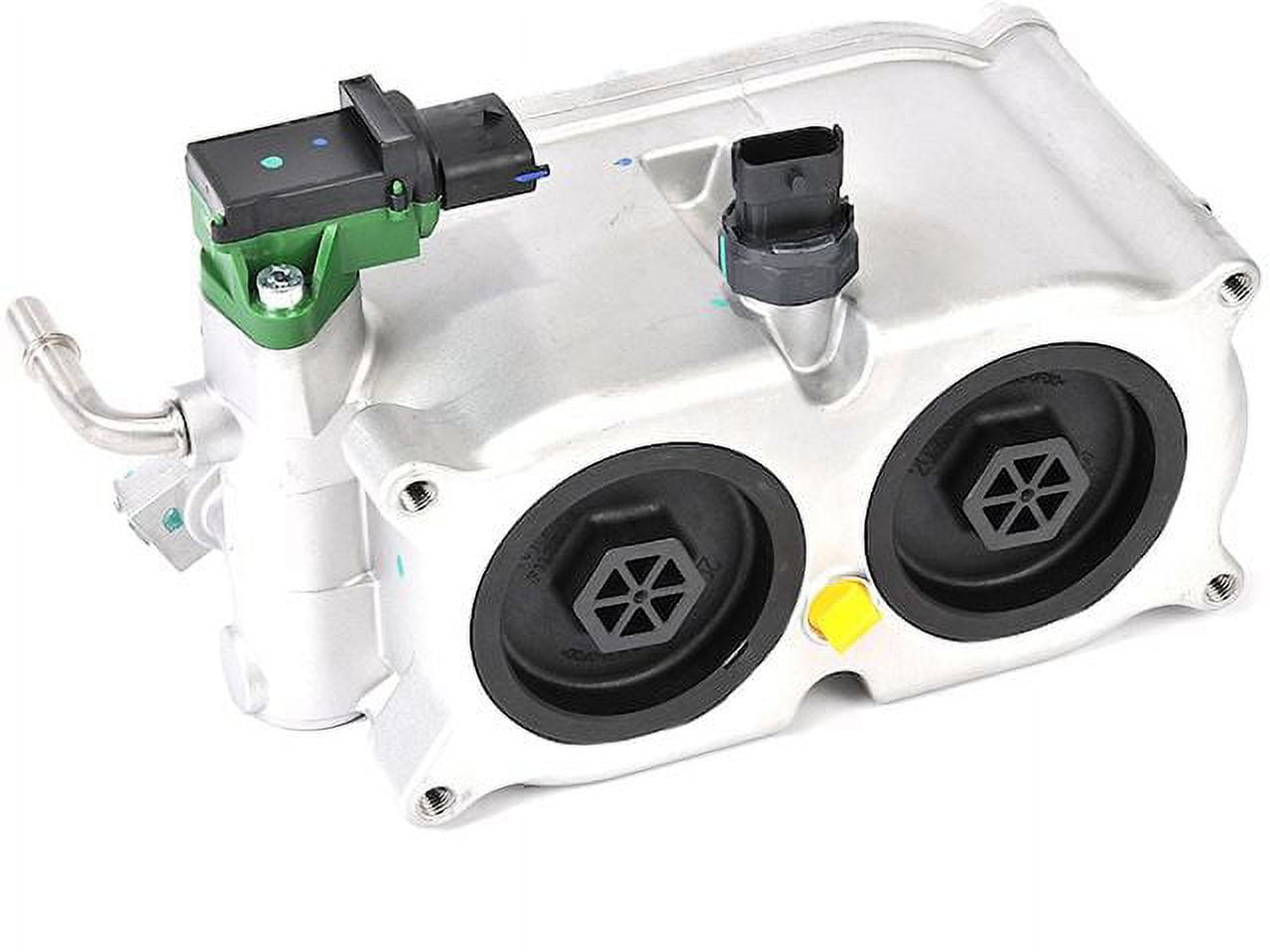
The fuel filter on a Chevy Colorado is usually near the fuel tank or along the fuel line under the truck. Look for a small, cylindrical part connected to fuel lines. It may be attached with metal clips or brackets. Knowing the exact location helps you access it easily.
Check your owner’s manual for the filter’s location. This guide shows where to find it for your model year. Proper identification avoids confusion during the replacement process.
Relieving Fuel System Pressure
The fuel system holds pressure even after the engine stops. Releasing this pressure is crucial to avoid fuel spray and injury. Start by turning off the engine and removing the key. This prevents accidental starting.
Locate the fuel pump fuse or relay and remove it. Then, try to start the engine to use up remaining fuel pressure. Wait a few minutes for pressure to drop before disconnecting any fuel lines. This step protects you and your vehicle.
Credit: dailyplanetvt.com
Removing The Old Fuel Filter
Removing the old fuel filter from a Chevy Colorado is an important step. It helps keep the engine running smoothly and prevents dirt from clogging the fuel system. This process requires care and the right tools. Follow the steps below carefully to remove the old fuel filter safely.
Disconnecting Fuel Lines
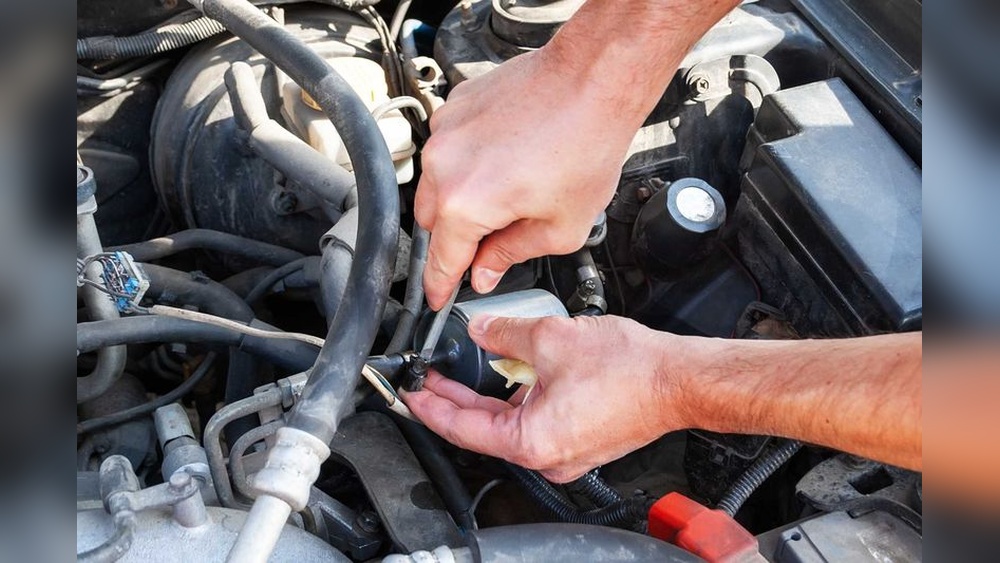
Start by relieving the fuel system pressure. This avoids fuel spray during removal. Locate the fuel lines connected to the filter. Use a wrench or fuel line disconnect tool. Gently loosen the fittings or clips holding the lines. Pull the fuel lines away from the filter carefully. Keep a rag handy to catch any fuel drips. Avoid forcing the lines to prevent damage.
Taking Out The Filter
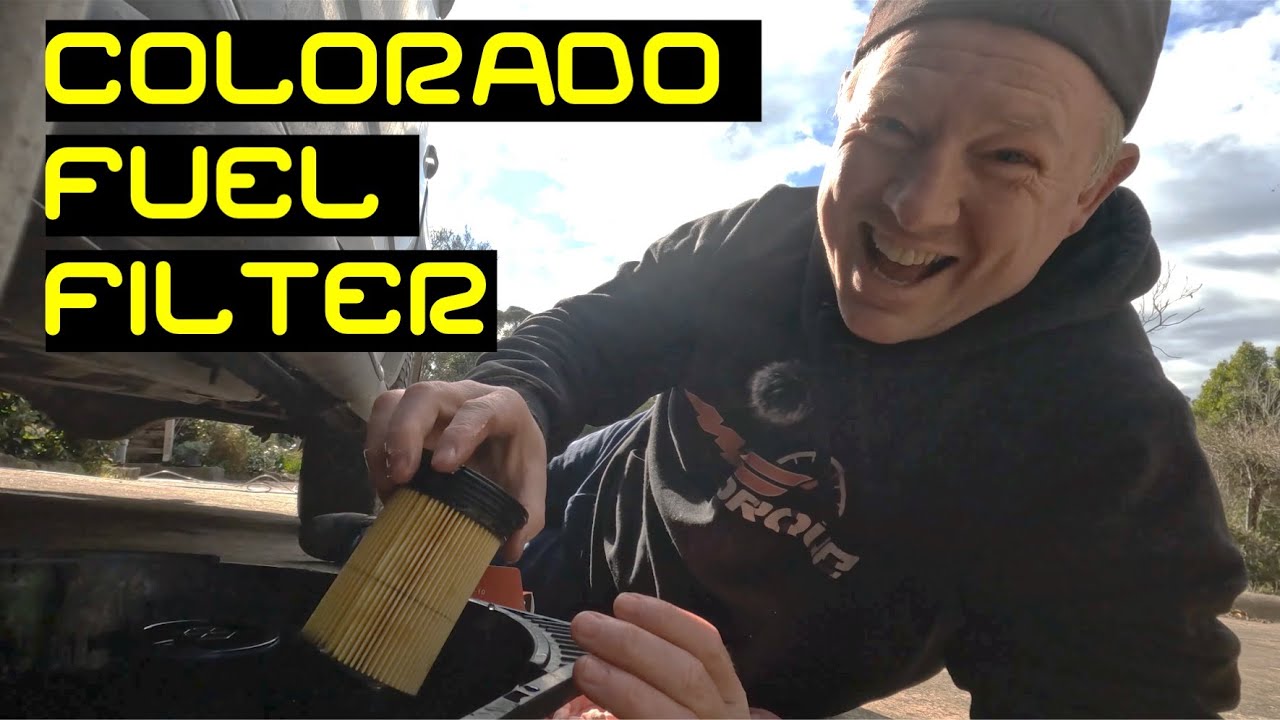
Once the lines are disconnected, focus on the filter mount. The filter may be held by a bracket or clamps. Use a socket wrench or screwdriver to remove these parts. Pull the old fuel filter straight out of the bracket. Hold it upright to prevent fuel from spilling. Check the filter for dirt or damage. Dispose of the old filter properly according to local rules.
Installing The New Fuel Filter
Installing the new fuel filter on your Chevy Colorado is a simple step that needs care. Placing the filter right ensures your truck runs smoothly. The new filter must fit perfectly to stop dirt from entering the engine.
Follow each step slowly. Avoid rushing to keep the fuel system safe. Handle the filter and fuel lines gently to prevent leaks or damage.
Positioning The Filter Correctly
Check the arrow on the new filter. It shows the fuel flow direction. Point this arrow towards the engine. The filter should sit snug in its bracket. Make sure it is straight and secure. Tighten any clamps or holders without overdoing it.
Reconnecting Fuel Lines
Attach the fuel lines back to the filter ends. Push them firmly for a tight fit. Use the original clips or clamps to lock them in place. Double-check each connection for leaks. Press the lines gently to test their strength. No fuel should drip or seep out.
Credit: www.youtube.com
Final Checks And Testing
After replacing the fuel filter on your Chevy Colorado, it is important to perform final checks and testing. These steps ensure the new filter works well and your truck runs safely. Careful inspection helps avoid leaks and engine problems.
Checking For Leaks
Look closely around the fuel filter and connections. Check for any signs of fuel dripping or wet spots. Tighten any loose clamps or fittings. Leaks can cause fuel loss and fire hazards. Make sure everything is dry before starting the engine.
Starting The Engine
Turn the key to start your Chevy Colorado. Listen for unusual sounds or rough idling. The engine should run smoothly without sputtering. Watch the dashboard for warning lights. If the engine runs steady, the fuel filter change is successful. Let the truck run for a few minutes to confirm everything works well.
Maintenance Tips
Proper maintenance of your Chevy Colorado’s fuel filter is key to keeping your engine running smoothly. Regular care prevents clogs and ensures clean fuel reaches the engine. This section covers important tips to help you maintain the fuel filter effectively.
When To Replace Next
Check your owner’s manual for the recommended replacement schedule. Usually, replacing the fuel filter every 20,000 to 30,000 miles works well. Signs like engine hesitation, poor acceleration, or rough idling suggest it needs attention sooner. Stay alert to these symptoms to avoid bigger problems.
Preventive Measures
Use high-quality fuel to reduce dirt and debris entering the system. Keep your fuel tank at least a quarter full to prevent sediment buildup. Avoid running out of gas, as it can introduce contaminants. Regularly inspect fuel lines and connections for leaks or damage. These steps help extend the life of your fuel filter and improve engine performance.
Frequently Asked Questions
How Often Should I Change The Fuel Filter On A Chevy Colorado?
You should change the fuel filter every 30,000 miles or as recommended in your owner’s manual. Regular replacement ensures optimal engine performance and prevents clogging.
What Tools Are Needed To Change A Chevy Colorado Fuel Filter?
Basic tools include a wrench set, screwdrivers, and a fuel line disconnect tool. Always wear safety gloves and eye protection when working on the fuel system.
Can I Change The Fuel Filter Myself On A Chevy Colorado?
Yes, with basic mechanical skills and proper tools, you can replace the fuel filter safely. Follow step-by-step instructions and take safety precautions to avoid fuel spills.
Where Is The Fuel Filter Located On A Chevy Colorado?
The fuel filter is typically located along the fuel line under the vehicle, near the fuel tank or engine bay. Consult your manual for the exact position.
Conclusion
Changing the fuel filter on your Chevy Colorado keeps the engine running smooth. Clean fuel helps your truck perform better and last longer. Follow the steps carefully to avoid any mistakes. Regular maintenance saves money and prevents future problems. Take your time and stay safe while working.
A fresh fuel filter means better fuel flow and fewer issues. Keep an eye on your truck’s health by checking parts often. This simple task improves your driving experience every day.