Have you ever faced engine trouble and discovered water in your diesel fuel filter? It’s a common problem that can cause serious damage if not fixed quickly.
Water in your fuel filter can make your engine run poorly or even stop it from working altogether. But don’t worry—you can learn how to get that water out and protect your engine. You’ll find simple, step-by-step advice to solve this issue fast and keep your diesel engine running smoothly.
Keep reading to save time, avoid costly repairs, and get back on the road with confidence.
Signs Of Water In Diesel Filter
Water in the diesel fuel filter causes several problems. It affects the engine’s health and performance. Spotting signs early helps prevent serious damage. Learn to recognize these signs to keep your engine safe.
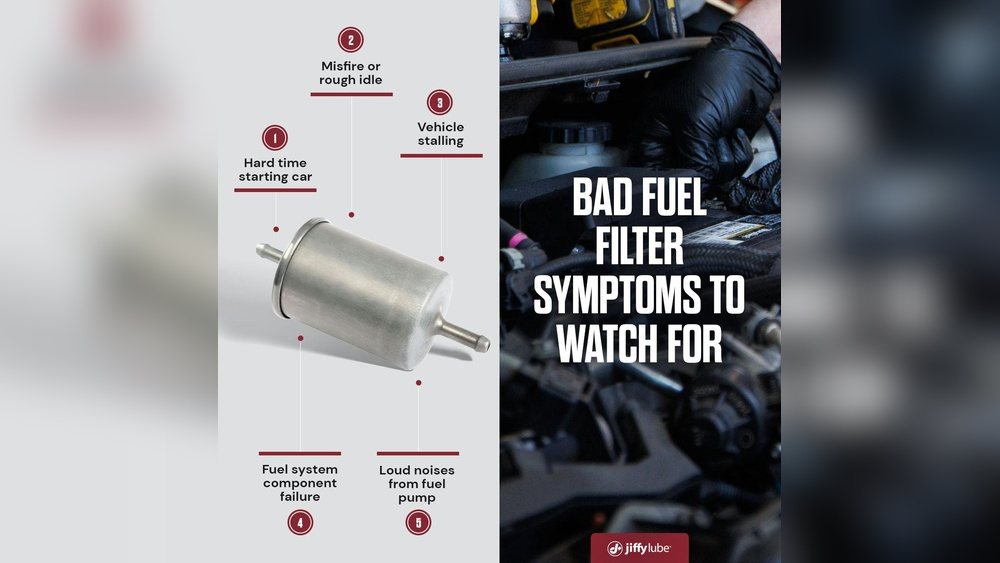
Engine Performance Issues
Water in the fuel filter often causes rough engine running. The engine may stall or hesitate during acceleration. You might notice a loss of power or slow response. These issues happen because water blocks fuel flow. The engine struggles to burn fuel properly.
Visible Water Contamination
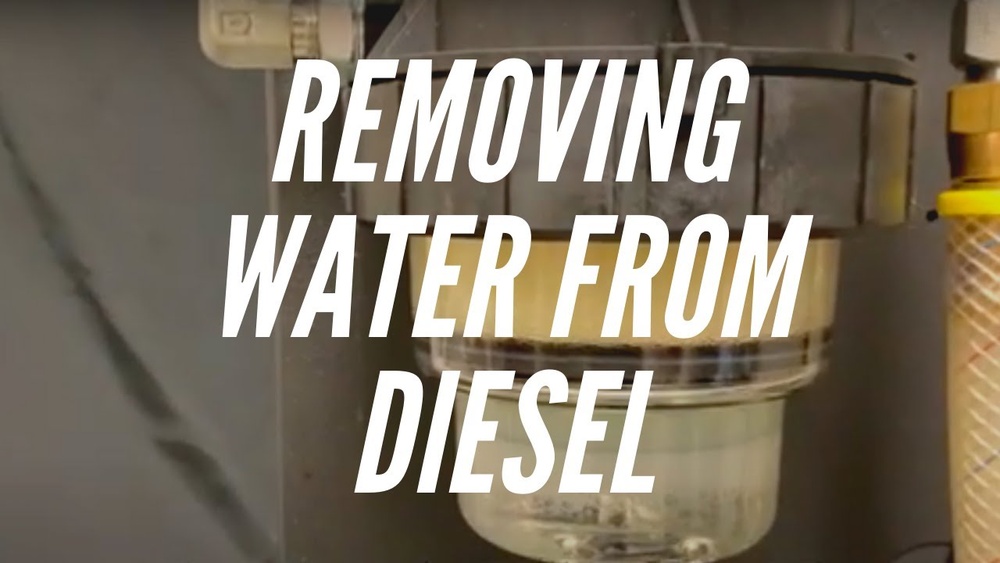
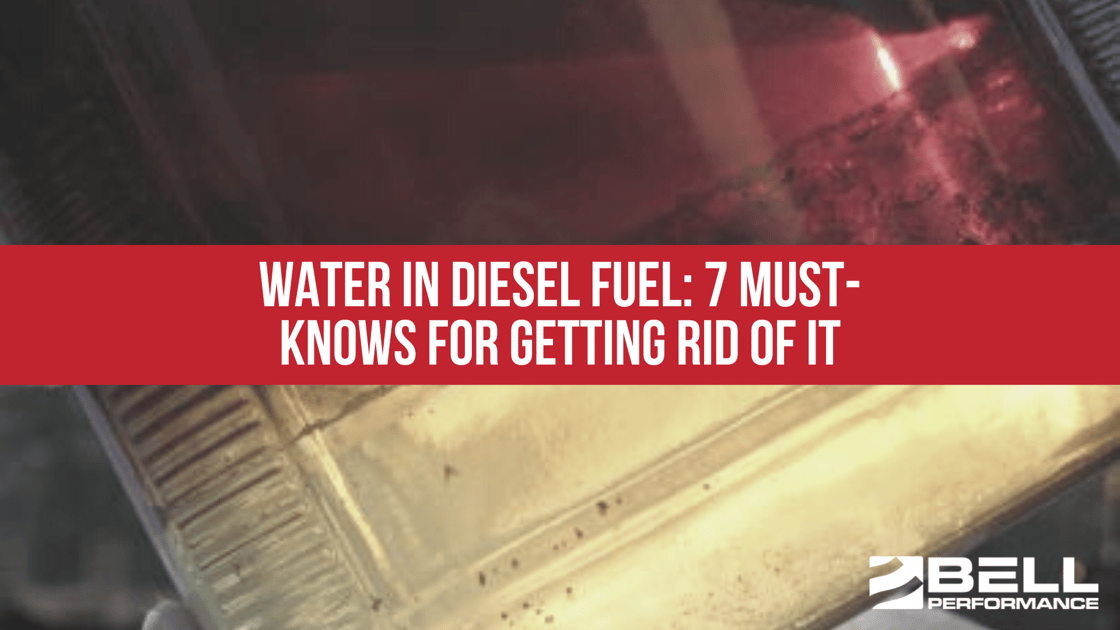
Check the diesel filter for clear signs of water. Water looks like a separate layer or droplets inside the filter. Sometimes, you may see cloudy or milky fuel in the filter bowl. This is a clear sign of water mixing with diesel. Regular inspection helps catch water contamination early.
Fuel System Warnings
Modern vehicles have sensors that detect water in fuel. A warning light may appear on your dashboard. Some vehicles show error codes related to fuel quality. Ignoring these warnings can lead to costly repairs. Always pay attention to fuel system alerts.
Why Water In Diesel Filter Is A Problem
Water in a diesel fuel filter causes many problems for engines. It harms engine parts and lowers performance. Water does not mix with diesel fuel. It settles in the filter and blocks fuel flow. This issue can lead to costly repairs and downtime. Understanding why water in the diesel filter is a problem helps in taking quick action.
Corrosion Risks
Water causes rust and corrosion inside the fuel system. Metal parts like the fuel tank and pipes wear out faster. Corrosion weakens these parts and can create leaks. Rust particles can break off and clog the filter. This damage reduces the lifespan of engine components.
Fuel Injector Damage
Water in diesel fuel harms the injectors. Fuel injectors spray the right amount of diesel into the engine. Water causes injectors to clog or fail. This leads to poor engine performance and rough running. Repairing or replacing injectors is expensive and time-consuming.
Reduced Engine Efficiency
Water blocks the flow of clean diesel fuel to the engine. The engine does not get enough fuel to run well. This causes poor combustion and less power. Fuel consumption increases, wasting money. The engine may stall or run unevenly, causing frustration and delays.
Tools Needed For Water Removal
Removing water from a diesel fuel filter requires specific tools. Having the right tools makes the task easier and safer. Prepare all tools before starting the process. This saves time and prevents mistakes.
Basic Hand Tools
Basic hand tools include wrenches and screwdrivers. These help to open the fuel filter housing. A pair of pliers may also be useful. Use them carefully to avoid damage. Clean tools ensure a smooth process.
Drain Pan And Containers
A drain pan collects water and fuel during removal. Use a container to store the drained fuel. This prevents spills and keeps the area clean. Choose containers that seal tightly to avoid leaks.
Replacement Filters
Always have replacement fuel filters ready. A new filter ensures clean fuel and better engine performance. Check the filter type before buying. Install the correct filter for your diesel engine model.

Credit: www.youtube.com
Step-by-step Water Removal Process
Removing water from a diesel fuel filter is important for engine health. Water can cause damage and reduce engine performance. Follow the simple steps below to clear water from your fuel filter safely and effectively.
Locate The Fuel Filter
First, find the diesel fuel filter in your vehicle. It is usually near the engine or fuel tank. Look for a small, round container with fuel lines attached. Knowing its position helps in accessing the water bowl or drain plug.
Drain Water From Filter Bowl
Next, place a container under the filter bowl to catch water. Open the drain plug or valve slowly. Let the water and any sediment drain out completely. Close the plug tightly to avoid leaks.
Replace Or Clean The Filter Element
Check the filter element for dirt or damage. Replace it with a new one if needed. Some filters can be cleaned by rinsing with clean diesel fuel. Make sure the filter is dry before reinstalling.
Bleed Air From Fuel System
Air can enter the fuel system during water removal. Use the manual pump or loosen the bleed screw to release trapped air. Pump until fuel flows smoothly without bubbles. Tighten any open screws or valves securely.
Preventing Water Contamination
Water in diesel fuel can cause serious engine problems. Preventing water contamination protects your engine and fuel system. Taking simple steps helps keep water out of your diesel fuel filter. This section covers key methods to avoid water buildup.
Proper Fuel Storage
Store diesel fuel in clean, sealed containers. Use containers made for fuel storage only. Keep fuel away from rain, snow, and moisture. Store fuel indoors or under a protective cover. Avoid filling containers completely to allow air space. This prevents condensation inside the tank. Check storage tanks regularly for leaks or damage.
Regular Filter Maintenance
Change diesel fuel filters often to stop water buildup. Follow the manufacturer’s recommended schedule. Inspect filters for signs of water or dirt. Drain water from filters if possible. Clean or replace filters at the first sign of contamination. Regular checks reduce engine damage and improve performance.
Use Of Water Separators
Install water separators in your fuel system. These devices trap water before it reaches the engine. Water separators remove water efficiently and protect fuel filters. Check separators regularly for water levels and clean them. Replace parts as needed to keep separators working well. Water separators extend engine life and reduce repairs.
Credit: www.bellperformance.com
When To Seek Professional Help
Knowing when to seek professional help is important for handling water in diesel fuel filters. Some problems need expert skills and tools. Trying to fix these issues alone can cause more damage or risk safety. Recognizing the signs can save time and money.
Persistent Engine Issues
If your engine keeps running poorly after draining water, it needs a professional check. Trouble starting, stalling, or loss of power may mean deeper fuel system problems. Simple fixes might not solve these issues. Experts can diagnose and repair complex engine faults.
Complex Fuel System Designs
Modern diesel engines often have complex fuel systems. Some filters are hard to access or require special tools. DIY attempts can lead to mistakes or damage. Professionals know how to handle these systems safely and correctly. They ensure proper cleaning or replacement without harming parts.
Safety Concerns
Working with diesel fuel carries risks. Spills and leaks can cause fire hazards or environmental damage. Handling fuel components wrongly may lead to injuries. Professionals follow safety rules and use protective gear. They keep the work area safe and reduce risks.
Credit: www.bellperformance.com
Frequently Asked Questions
How Do I Know If Water Is In My Diesel Fuel Filter?
Look for engine sputtering, rough idling, or difficulty starting. Water causes corrosion and poor fuel combustion. Check the filter for moisture or separation in the fuel. Regular inspection helps detect water contamination early and prevents engine damage.
What Is The Best Way To Remove Water From Diesel Filters?
Drain the water using the filter’s drain valve or remove the filter entirely. Replace or clean the filter if heavily contaminated. Use a fuel water separator to prevent future water buildup. Always dispose of contaminated fuel safely.
Can Water In Diesel Fuel Damage My Engine?
Yes, water causes corrosion, rust, and poor fuel combustion. It can clog filters and injectors, reducing engine performance. Prolonged exposure leads to costly repairs and engine failure. Removing water promptly protects engine components and maintains efficiency.
How Often Should I Check My Diesel Fuel Filter For Water?
Check your diesel fuel filter every 3,000 to 5,000 miles or during regular maintenance. More frequent checks are necessary in wet or humid climates. Early detection of water prevents engine damage and maintains fuel system health.
Conclusion
Removing water from a diesel fuel filter keeps your engine running smoothly. Clean fuel helps avoid damage and improves performance. Regular checks save you from costly repairs later. Use the right tools and follow safety steps carefully. Stay patient and work step-by-step for best results.
Taking care of your fuel system protects your vehicle’s health. Keep these tips handy for any future fuel filter issues. Simple actions can make a big difference.