

If you own a diesel engine, knowing how to change the fuel filter is a skill that can save you time and money. A clogged fuel filter can cause your engine to run poorly or even stop working altogether.
But don’t worry—changing it yourself is easier than you might think. You’ll get clear, step-by-step guidance to help you replace your diesel engine’s fuel filter quickly and safely. Keep reading, and you’ll be back on the road with confidence in no time.
Signs Of A Clogged Fuel Filter
A clogged fuel filter can cause serious problems in a diesel engine. It blocks the flow of fuel, making the engine work harder. Recognizing the signs early helps prevent damage and costly repairs. Watch for changes in how your engine runs. These signs point to a fuel filter that needs changing soon.
Reduced Engine Performance
The engine loses power during acceleration. You may notice slower speed or weak response. The vehicle struggles on hills or under load. Poor fuel flow limits the engine’s ability to work well. This drop in performance signals a clogged fuel filter.
Starting Difficulties
The engine takes longer to start or won’t start at all. You might hear the starter crank many times. Fuel blockage causes a lack of pressure for ignition. This problem often happens before the filter is fully blocked. Early attention can prevent complete engine failure.
Unusual Engine Noises
The engine may make strange sounds like sputtering or knocking. These noises come from fuel starvation or irregular combustion. A clogged filter disrupts the fuel supply, causing these sounds. Listen carefully for changes in engine noise during operation.
Tools And Materials Needed
Changing the fuel filter on a diesel engine needs the right tools and materials. Having everything ready makes the job smooth and safe. This section lists all essentials to prepare before starting.
Use this guide to gather the correct items. It helps avoid delays and mistakes during the process.
Essential Tools
You need basic hand tools like wrenches and screwdrivers. A socket set is helpful to remove bolts easily. A clean container to catch fuel spillage is important. A small brush or rag helps clean the area around the filter. Always have a pair of pliers for tight clips or clamps.
Replacement Fuel Filter
Choose the fuel filter that matches your diesel engine model. Using the correct filter ensures good performance and prevents damage. Check the part number on your old filter or in the vehicle manual. Buy a high-quality filter for longer engine life.
Safety Gear
Wear gloves to protect your hands from fuel and dirt. Safety glasses shield your eyes from splashes. Work in a well-ventilated area to avoid inhaling fumes. Keep a fire extinguisher nearby for emergencies. Dress in clothes that cover your skin completely.
Preparing The Diesel Engine
Preparing the diesel engine is the first step to changing the fuel filter safely. Proper preparation helps avoid damage and makes the job easier. Take your time and follow these steps carefully.
Getting the engine ready ensures a smooth and clean fuel filter replacement. A clean workspace and a depressurized system reduce risks and mess.
Locate The Fuel Filter
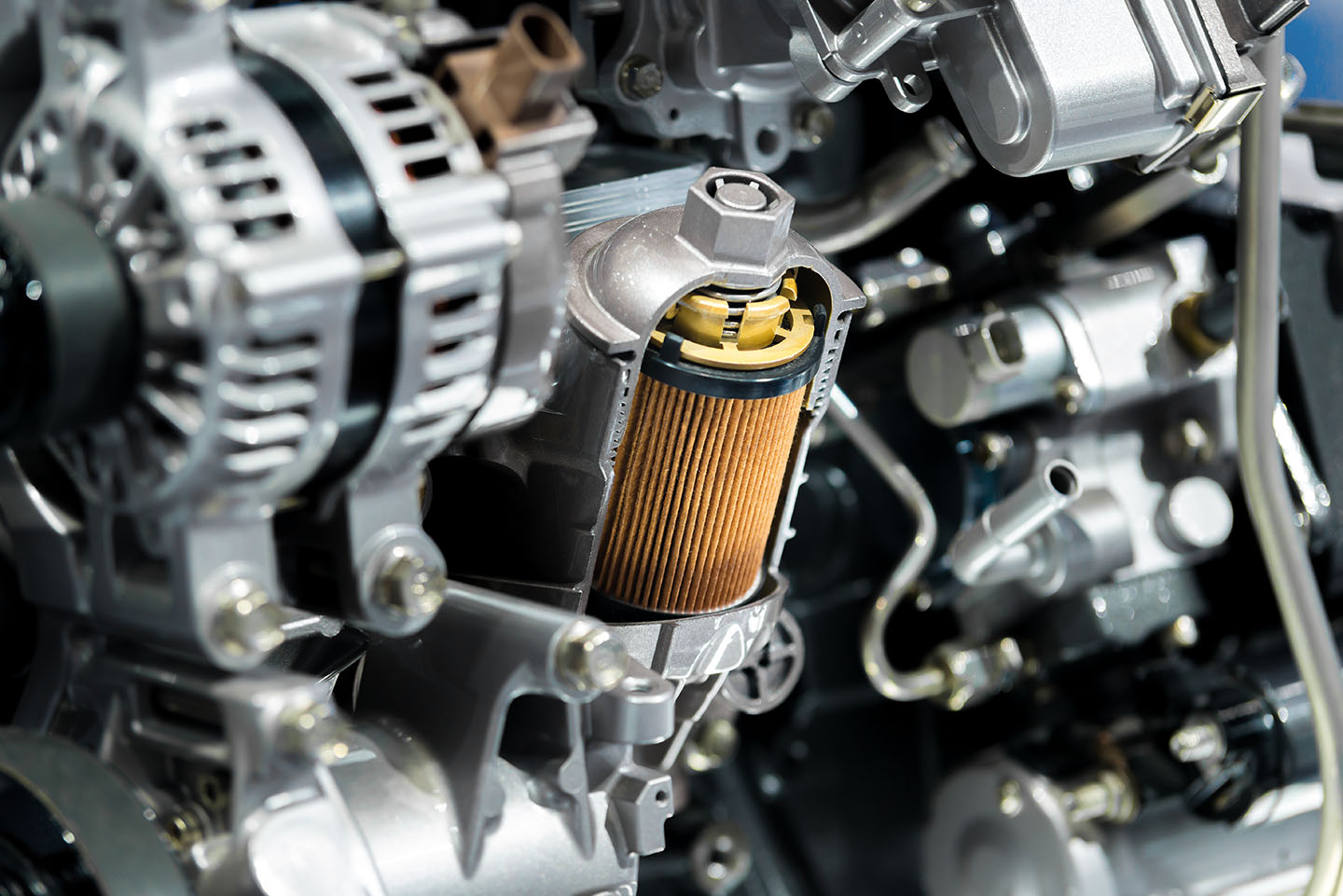
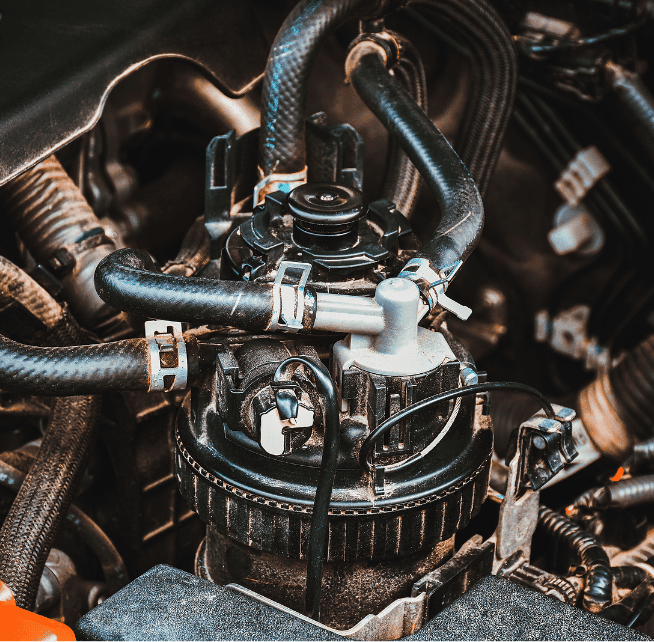
The fuel filter is usually near the engine or fuel tank. Check the engine manual for exact location. It often looks like a small canister with fuel lines attached. Knowing its spot saves time and prevents mistakes.
Relieve Fuel System Pressure
Fuel systems hold pressure that can spray fuel. Relieve this pressure before opening the filter. Turn off the engine and remove the fuel pump fuse. Start the engine and let it run until it stops. This empties fuel from the lines safely.
Clean Surrounding Area
Dirt near the fuel filter can enter the system during replacement. Wipe the area with a clean cloth. Use a brush to remove stubborn dirt. A clean area keeps contaminants out and protects the engine.
Credit: bostechauto.com
Removing The Old Fuel Filter
Removing the old fuel filter is the first important step in changing it on a diesel engine. This process needs care to avoid fuel spills and damage. Follow each step carefully to ensure a smooth removal.
Disconnect Fuel Lines
Start by turning off the engine to prevent fuel flow. Use a wrench to loosen the clamps on the fuel lines. Gently pull the lines off the filter. Be ready with a container to catch any leaking fuel.
Remove Mounting Bracket
Locate the mounting bracket holding the fuel filter in place. Use the correct tool, usually a socket or wrench, to unscrew the bolts. Keep the bolts safe; you will need them to install the new filter.
Extract The Filter
Grip the fuel filter firmly and pull it straight out from the bracket. Avoid twisting to prevent fuel spills. Dispose of the old filter according to local safety rules. The area is now ready for the new filter installation.
Installing The New Fuel Filter
Installing the new fuel filter on a diesel engine is a simple but important step. Proper installation ensures the engine runs smoothly and avoids damage. Take your time and follow each step carefully.
Check Filter Orientation
Look for arrows or markings on the filter body. These show the direction of fuel flow. Align the new filter with the flow direction in the fuel system. Installing it backward can cause engine problems.
Secure The Filter In Place
Place the filter into its mounting bracket or holder. Tighten the clamp or screws to hold it firmly. Do not overtighten. The filter should be snug but not damaged.
Reconnect Fuel Lines
Attach the fuel lines to the filter fittings. Push them on fully to avoid leaks. Use clamps or clips to secure the lines. Check for any loose connections before moving on.
Priming The Fuel System
Priming the fuel system is a key step after changing the fuel filter on a diesel engine. This process removes air from the fuel lines and fills them with clean diesel. Without priming, the engine may not start or run smoothly. It also protects the fuel pump and injectors from damage. Follow these simple steps to prime the system correctly.
Use Manual Pump Or Primer
Most diesel engines have a manual fuel pump or primer bulb. Press or pump it slowly until you feel resistance. This action pushes diesel through the fuel lines. Watch for fuel to appear at the filter outlet or injector line. Stop pumping once fuel flows steadily. This means air is out and fuel fills the system.
Check For Air Leaks
Air leaks can stop the engine from starting. Inspect all connections near the fuel filter. Tighten clamps and fittings if you see any loose parts. Look for bubbles in the fuel lines during priming. Bubbles show air is still inside. Fix leaks before you try to start the engine again.
Ensure Proper Fuel Flow
After priming, the fuel must flow freely to the engine. Start the engine and let it run for a few minutes. Watch for smooth running and steady power. If the engine hesitates or stalls, prime the system again. Proper fuel flow means no air, no leaks, and clean diesel reaching the engine.
Testing The Diesel Engine
Testing the diesel engine after changing the fuel filter is important. It helps to check if the engine runs smoothly. This step ensures that the new filter works well. Also, it helps find any problems early. Follow these simple steps to test your diesel engine effectively.
Start The Engine
Turn the key to start the engine. Listen closely to the engine sound. It should start quickly without strange noises. If it struggles, there might be air in the fuel line. Let the engine run for a few minutes to warm up.
Monitor Engine Performance
Watch the engine’s behavior while it runs. The engine should run evenly without shaking. Check the power by gently pressing the accelerator. The engine should respond smoothly and not stall. Any hesitation or rough running signals an issue.
Inspect For Fuel Leaks
Look closely around the fuel filter and lines. Fuel leaks can cause engine problems and safety risks. Spot any wet spots or strong fuel smells. Tighten connections if you find leaks. Never run the engine with a fuel leak present.

Credit: www.youtube.com
Maintenance Tips
Proper maintenance keeps your diesel engine running smoothly. Changing the fuel filter is key. Follow these tips to avoid engine problems and save money on repairs.
Regular Filter Replacement Intervals
Change the fuel filter at set times. Check your engine manual for the recommended schedule. Waiting too long can clog the filter and reduce engine power. Frequent replacements help keep fuel clean and engines healthy.
Using Quality Fuel
Use clean, high-quality diesel fuel. Poor fuel contains dirt and water that damage the filter. Good fuel reduces wear and extends filter life. Always buy from trusted fuel stations.
Keeping The Fuel System Clean
Keep the fuel tank and lines free from dirt. Dirt can enter the system and block the filter. Clean the fuel tank regularly and inspect fuel lines for leaks. Clean fuel systems improve engine performance and filter durability.
Credit: branchautomotive.com
Frequently Asked Questions
How Often Should I Change The Diesel Fuel Filter?
Change the diesel fuel filter every 10,000 to 15,000 miles. Regular replacement ensures clean fuel flow and prevents engine damage. Always check the manufacturer’s recommendation for your specific diesel engine model.
What Tools Are Needed To Change A Diesel Fuel Filter?
You need a wrench, screwdrivers, a container for old fuel, and a new fuel filter. Some engines may require special tools. Always consult your engine’s manual before starting the replacement.
Can I Change The Fuel Filter Myself Safely?
Yes, you can safely change the fuel filter with proper precautions. Work in a well-ventilated area, avoid open flames, and wear gloves. Follow step-by-step instructions carefully to prevent fuel spills and engine damage.
What Are Signs Of A Clogged Diesel Fuel Filter?
Signs include engine misfires, reduced power, hard starting, and unusual noises. A clogged filter restricts fuel flow, affecting engine performance. Replace the filter promptly if these symptoms appear.
Conclusion
Changing the fuel filter on your diesel engine keeps it running smooth. Clean filters stop dirt from damaging the engine. Regular changes help save money on repairs later. Follow the steps carefully for best results. Take your time and work safely.
A clean fuel filter means better fuel flow. Your engine will start easier and run cleaner. Keep track of when to change the filter again. Small efforts protect your engine’s health. Simple maintenance goes a long way.

