

If you own a Stihl backpack blower, you know how important it is to keep it running smoothly. One simple but crucial task is changing the fuel filter.
Ignoring this small part can cause your blower to lose power or even stop working altogether. In this guide, you’ll learn exactly how to change the fuel filter quickly and easily, so your blower stays in top shape. Ready to boost your blower’s performance and avoid costly repairs?
Let’s get started!

Credit: www.youtube.com
Tools And Materials Needed
Changing the fuel filter on your Stihl backpack blower keeps the engine clean. It helps the blower run smoothly and last longer. Having the right tools and materials makes the job easier and faster.
Prepare all tools and materials before starting. This saves time and avoids frustration. Use clean and reliable items to protect your blower.
Basic Tools Required
You need a screwdriver to open the filter cover. A flathead or Phillips screwdriver works, depending on your model. A pair of needle-nose pliers helps to pull out the old filter carefully. Keep a clean cloth nearby to wipe any dirt or fuel spills.
Replacement Fuel Filter
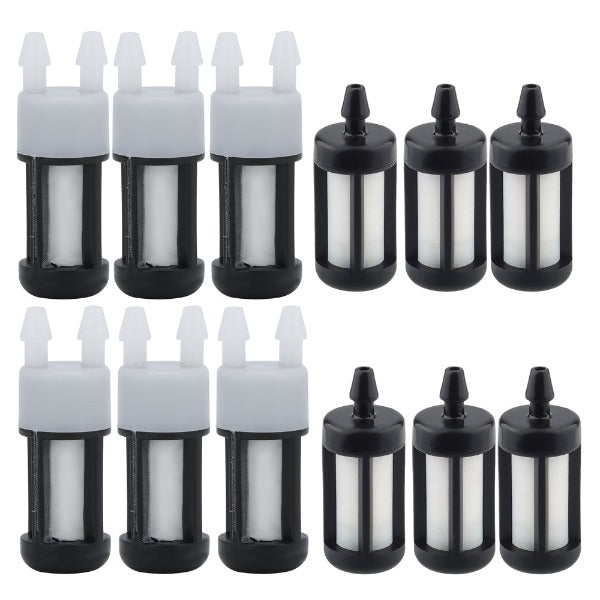
Always use a genuine Stihl fuel filter or a high-quality replacement. The filter must fit your blower model exactly. A good filter traps dirt and debris, protecting the engine.
Protective Gear
Wear gloves to keep your hands clean and safe from fuel. Safety glasses protect your eyes from splashes. Work in a well-ventilated area to avoid inhaling fuel fumes.
Additional Materials
Have a small container ready to catch any fuel that may leak. Keep some paper towels handy for quick cleanup. A small brush helps remove dirt around the filter area before installing the new filter.
Locating The Fuel Filter
Finding the fuel filter on a Stihl backpack blower is the first step to changing it. Knowing its location helps you maintain your blower and keep it running well.
The fuel filter is small and often hidden inside the fuel tank or along the fuel line. It stops dirt and debris from entering the engine.
Opening The Fuel Tank
Start by removing the fuel tank cap. This lets you see inside the tank. The fuel filter usually sits near the fuel line connection inside the tank.
Following The Fuel Line
Trace the fuel line from the tank to the carburetor. The filter might be inside a clear plastic housing or a small cylinder along this line.
Checking The Manual For Exact Location
The user manual shows the exact spot of the fuel filter for your blower model. It has diagrams and instructions that make finding it easier.
Removing The Old Fuel Filter
Removing the old fuel filter from your Stihl backpack blower is a simple task. It helps keep your blower running smoothly and prevents engine problems. Take your time and follow the steps carefully for best results.
First, make sure the blower is turned off and cool. Safety comes first. You don’t want fuel spilling or the engine hot while working.
Locate The Fuel Tank And Filter
Find the fuel tank on your backpack blower. The fuel filter sits inside the tank, attached to the fuel line. You may need to open or remove the fuel cap to see the filter clearly.
Remove The Fuel Line From The Tank
Gently pull the fuel line out of the tank. The old filter is attached to the end of this line. Use a small tool if needed, but be careful not to damage the line.
Detach The Old Fuel Filter
Hold the fuel line firmly and pull the old filter off. It may be stuck, so wiggle it gently. Dispose of the old filter properly to avoid spills or dirt.

Credit: www.mainstreetmower.com
Installing The New Fuel Filter
Installing the new fuel filter on your Stihl backpack blower is a simple but important step. It helps keep the engine clean and running smoothly. This section guides you through the process with clear steps.
Take your time and follow each step carefully. Using the right parts and tools makes the job easier. Let’s start with how to prepare for installation.
Prepare The New Fuel Filter For Installation
Remove the new fuel filter from its packaging carefully. Avoid touching the filter element to keep it clean. Check the filter for any damage or dirt before installation.
Make sure the new filter matches the old one in size and shape. This ensures it fits properly and works well.
Attach The New Fuel Filter To The Fuel Line
Locate the fuel line where the old filter was removed. Slide the new filter onto the fuel line securely. Push it until it fits snugly without gaps.
Double-check the connection to avoid any fuel leaks. A tight fit keeps the fuel flowing correctly to the engine.
Secure The Fuel Filter In Place
Use clamps or clips to hold the fuel filter firmly. Tighten any fasteners so the filter does not move during use. A loose filter can cause problems with fuel delivery.
Make sure the fuel line is not bent or twisted after securing the filter. Smooth fuel flow is essential for blower performance.
Testing The Blower After Replacement
Testing the blower after replacing the fuel filter ensures it runs smoothly. This step checks if the new filter works well. It also helps find any problems early. Follow simple tests for safe and proper operation.
Starting The Blower
Turn on the blower carefully. Listen to the engine sound. It should start quickly without hesitation. If it struggles, check the filter installation. A smooth start means the fuel flows well.
Checking For Engine Performance
Run the blower at different speeds. Watch how it responds. The engine should not stall or sputter. Steady power means the fuel filter is clean. Irregular power suggests air or fuel blockage.
Inspecting For Fuel Leaks
Look around the fuel filter area. Search for any fuel dripping or wet spots. Leaks can cause safety hazards. Tighten connections if any leaks appear. A dry filter area is safe and proper.
Listening For Unusual Noises
Pay attention to strange sounds. Knocking, rattling, or grinding may mean a problem. The fuel system should run quietly. No unusual noise shows the filter works well.
Final Safety Check
Make sure all parts are secure. Confirm the blower’s throttle and controls work. Wear protective gear during testing. Safety keeps you ready for outdoor work.
Credit: www.hipastore.com
Maintenance Tips For Fuel Filters
Fuel filters keep your Stihl backpack blower running smoothly. They stop dirt and debris from entering the engine. Clean fuel filters help the blower use fuel efficiently. This saves money and extends the life of the machine.
Regular maintenance is key. It prevents breakdowns and keeps your blower ready for work. Follow simple steps to care for the fuel filter properly.
Inspect The Fuel Filter Regularly
Check the fuel filter every time before use. Look for cracks or dirt buildup. Replace the filter if you see damage or heavy dirt. A clean filter improves fuel flow and engine performance.
Use Clean Fuel
Always fill the tank with fresh, clean fuel. Dirty or old fuel clogs the filter faster. Store fuel in a clean container. Avoid mixing fuel with water or debris.
Replace The Fuel Filter On Schedule
Change the fuel filter as recommended in the manual. This keeps the engine running well. A clogged filter makes the engine work harder. Timely replacement saves time and repair costs.
Handle The Filter With Care
Remove the filter gently to avoid damage. Use clean hands or gloves to keep it free from dirt. Avoid touching the inside of the filter. Clean handling ensures better filter life.
Store The Blower Properly
Store your blower in a dry, cool place. Drain the fuel if you won’t use it for a long time. This helps prevent fuel from going bad inside the filter. Proper storage protects the fuel filter and engine parts.
Frequently Asked Questions
How Often Should I Change The Fuel Filter?
Change the fuel filter every 25 hours of use or annually. This keeps the blower running efficiently and prevents engine damage.
What Tools Are Needed To Replace The Fuel Filter?
You will need a screwdriver, pliers, and a new fuel filter. These basic tools ensure a smooth and safe replacement process.
Can I Use Any Fuel Filter For Stihl Blowers?
No, always use a fuel filter designed for Stihl backpack blowers. This ensures proper fit and optimal performance.
How Do I Remove The Old Fuel Filter Safely?
Turn off the blower and disconnect the fuel line carefully. Use pliers to gently pull out the old filter without spilling fuel.
Conclusion
Changing the fuel filter on your Stihl backpack blower keeps it running smoothly. Clean filters help the engine breathe better and last longer. Regular checks prevent dirt from causing damage. Follow the steps carefully to avoid mistakes. A clean fuel filter means better power and less trouble.
Take your time, and your blower will work like new. Simple care makes a big difference in performance. Keep your tool ready for any job ahead.


