

If your engine isn’t running smoothly or you notice a drop in fuel efficiency, your inline fuel filter might be the culprit. Changing this small but crucial part can save you from costly repairs down the road.
But how do you do it yourself without any hassle? In this guide, you’ll learn step-by-step how to change your inline fuel filter quickly and safely, even if you’re not a mechanic. Keep reading, and you’ll gain the confidence to handle this essential maintenance task on your own.
Signs Of A Clogged Fuel Filter
A clogged fuel filter can cause serious engine problems. It blocks the flow of fuel to the engine. This leads to poor performance and other issues. Recognizing the signs early helps you avoid costly repairs. Watch for these common symptoms that point to a dirty fuel filter.
Reduced Engine Power
Your car may feel weak or slow. The engine struggles to reach higher speeds. Acceleration becomes sluggish. This happens because less fuel reaches the engine. A clogged filter restricts fuel flow. The engine cannot get enough power to run well.
Difficulty Starting
The engine may take longer to start or not start at all. Fuel supply is limited by the blocked filter. The spark plugs do not get enough fuel to ignite. This leads to hard starts or multiple attempts. It can be frustrating and signal a fuel filter issue.
Engine Stalling
The engine may suddenly stop running while driving. Stalling happens because fuel flow is interrupted. A dirty filter cannot provide steady fuel supply. The engine starves and shuts down. This is dangerous and needs quick attention.

Credit: www.youtube.com
Tools And Materials Needed
Changing an inline fuel filter needs the right tools and materials. Without these, the task becomes hard and unsafe. Preparing all items before starting saves time and avoids mistakes.
Replacement Fuel Filter
Choose the correct fuel filter for your vehicle model. Check the size and type carefully. A wrong filter can cause engine problems or leaks.
Buy a new filter from a trusted store. Do not use a damaged or old filter. Inspect the new filter for cracks or dirt before installing.
Wrenches And Screwdrivers
Use the proper wrenches to loosen and tighten fittings. Most filters need open-end or adjustable wrenches. Screwdrivers help remove clamps or covers.
Have different sizes ready. This avoids delays and damage to parts. Clean tools also work better and last longer.
Safety Gear
Wear gloves to protect your hands from fuel and dirt. Safety glasses keep your eyes safe from splashes. Work in a well-ventilated area to avoid inhaling fumes.
Keep a fire extinguisher nearby. Fuel is flammable and needs careful handling. Follow safety steps to prevent accidents.
Preparing Your Vehicle
Preparing your vehicle is the first step to safely change the inline fuel filter. This process involves simple actions that protect you and your car. Taking these steps helps avoid accidents and makes the job easier.
Start with a stable and safe environment. Then reduce pressure in the fuel system to prevent fuel spray. Finally, disconnect the battery to avoid sparks or electric shocks during the work.
Park On A Level Surface
Find a flat, solid area to park your vehicle. This keeps the car stable while you work. Avoid slopes or uneven ground to stop the car from moving accidentally. Engage the parking brake for extra safety.
Relieve Fuel System Pressure
Fuel lines hold pressure even when the engine is off. Releasing this pressure prevents fuel from spraying out. Locate the fuel pump fuse and remove it. Start the engine and let it stall. This uses up fuel pressure safely.
Disconnect The Battery
Turn off the ignition and remove the key. Disconnect the negative battery cable first. This stops any electrical current that could cause sparks. Secure the cable away from the terminal to avoid contact.
Locating The Inline Fuel Filter
Locating the inline fuel filter is the first step in changing it safely. Knowing where it sits in your vehicle helps you work faster and avoid mistakes. This filter cleans the fuel before it reaches the engine.
Finding it can be simple if you know what to look for. The filter is usually small and cylindrical. It connects to the fuel line, which carries fuel from the tank to the engine.
Common Filter Locations
The inline fuel filter often sits along the fuel line under the car. It may be near the fuel tank or the engine bay. Some cars have the filter inside the engine compartment, close to the firewall.
Look under the vehicle, along the frame rail or near the fuel tank. In older cars, the filter might be near the carburetor or throttle body. Check the owner’s manual for exact spots.
Identifying The Fuel Lines
Fuel lines are usually thin, metal or rubber tubes. They run from the fuel tank to the engine. The inline filter connects directly between two sections of these lines.
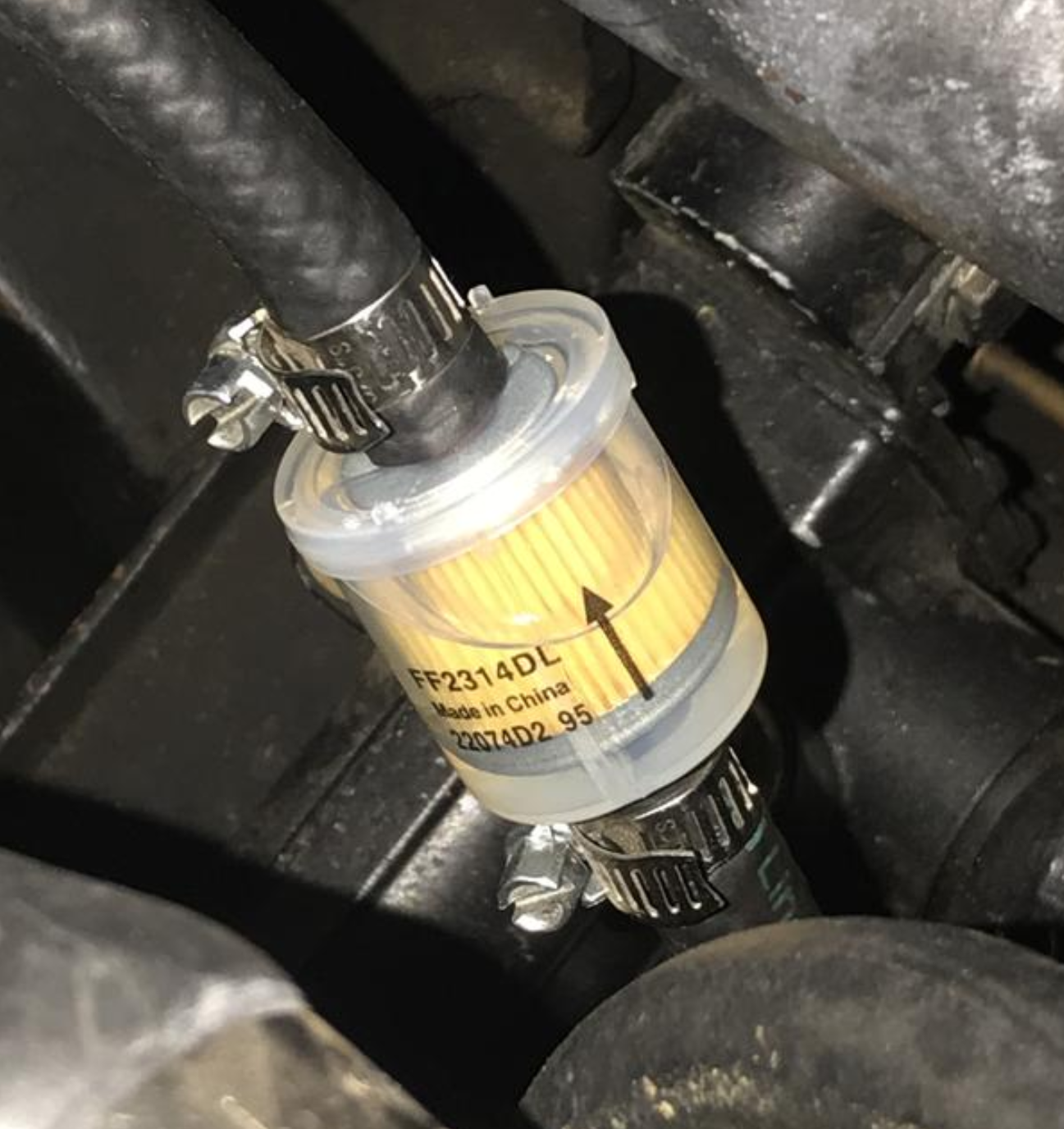
Fuel lines often have clamps or fittings holding the filter in place. Look for a small cylinder with a fuel line attached on each end. This part is the inline fuel filter.
Removing The Old Fuel Filter
Removing the old fuel filter is an important step in changing the inline fuel filter. It helps keep your fuel system clean and running smoothly. This part can be messy, so working carefully is key. Follow each step closely to avoid fuel spills and damage.
Loosening Clamps And Fittings
Start by loosening the clamps that hold the fuel filter in place. Use a screwdriver or pliers for this task. Turn the clamps slowly to avoid breaking them. Next, loosen the fittings connecting the fuel lines to the filter. Be gentle to prevent damage to the fuel lines.
Handling Fuel Spillage
Fuel may leak during removal. Place a container or cloth under the filter to catch spills. Wear gloves to protect your skin. Work in a well-ventilated area to avoid inhaling fumes. Clean any spilled fuel quickly to prevent accidents.
Removing The Filter
After loosening clamps and fittings, carefully pull the fuel filter out. Hold the fuel lines steady to avoid pulling or twisting them. Check the filter for cracks or damage before discarding. Proper removal makes installing the new filter easier.
Installing The New Fuel Filter
Installing the new fuel filter is a key step in maintaining your vehicle’s fuel system. This process helps keep fuel clean and engines running smoothly. Take your time to ensure proper installation for the best results.
Checking Filter Direction
Fuel filters have a flow direction marked by an arrow. This arrow shows how fuel should pass through the filter. Always align the arrow with the fuel flow, from the tank to the engine. Incorrect direction can block fuel flow and cause engine problems.
Securing Clamps And Connections
After placing the new filter, secure all clamps tightly. Loose clamps cause fuel leaks and poor engine performance. Use pliers or a screwdriver to tighten clamps firmly. Make sure all fuel lines fit snugly on the filter ends for a safe connection.
Double-checking For Leaks
Start the engine and watch the filter area closely. Look for any signs of fuel leaking from the connections. Even small drips can be dangerous. If you find leaks, turn off the engine and tighten clamps again. Check thoroughly before driving.
Testing And Final Checks
After replacing the inline fuel filter, testing and final checks are important. These steps ensure the fuel system works well. They also help avoid any leaks or performance problems. Follow each step carefully for the best results.
Starting The Engine
Turn the key to start your engine. Listen for any unusual sounds like sputtering or coughing. These may show air in the fuel line. If the engine does not start, try again after a few seconds. Check the fuel filter connections for tightness if problems continue.
Monitoring Performance
Let the engine run for a few minutes. Watch how it idles and accelerates. Smooth running means the filter is working well. Look for hesitation or stalling, which signal fuel flow issues. If you notice problems, inspect the filter and fuel lines again.
Cleanup And Disposal
Clean any spilled fuel with a rag. Dispose of the old filter properly. Do not throw it in the trash. Follow local rules for hazardous waste disposal. Wash your hands after handling fuel and filter parts. Keeping the area clean helps prevent accidents.
Credit: www.invidiavoices.co.uk
Maintenance Tips For Fuel Filters
Maintaining your fuel filter helps keep your engine running smoothly. It stops dirt and debris from entering the fuel system. Regular care prevents costly repairs and improves fuel efficiency. Simple checks and timely changes make a big difference.
Replacement Intervals
Check your vehicle manual for fuel filter replacement times. Most filters need changing every 20,000 to 40,000 miles. Some vehicles may require more frequent changes. Follow these intervals to avoid fuel flow problems.
Signs To Watch For
Notice any engine misfires or poor acceleration? These can signal a clogged fuel filter. Hard starts or stalling are also warning signs. Keep an ear for unusual engine noises. Act fast to prevent damage.
Avoiding Fuel Contamination
Use clean fuel from trusted stations only. Always keep the fuel cap tight and secure. Avoid filling up in dusty or dirty environments. Regularly check the fuel tank for rust or debris. Clean fuel means a longer-lasting filter.

Credit: www.wikihow.com
Frequently Asked Questions
What Tools Are Needed To Change An Inline Fuel Filter?
To change an inline fuel filter, you need a wrench, screwdrivers, pliers, and a container for fuel. Always wear gloves and safety glasses for protection.
How Often Should An Inline Fuel Filter Be Replaced?
Replace the inline fuel filter every 20,000 to 30,000 miles or as recommended by your vehicle’s manual. Regular replacement ensures optimal engine performance.
Can I Change The Fuel Filter Myself Safely?
Yes, changing the fuel filter yourself is safe if you follow proper steps and safety precautions. Work in a well-ventilated area and avoid open flames.
What Signs Indicate A Clogged Inline Fuel Filter?
Signs include engine hesitation, reduced power, rough idling, and poor fuel efficiency. These symptoms suggest the fuel filter needs immediate replacement.
Conclusion
Changing an inline fuel filter keeps your engine running clean. It helps stop dirt from reaching important parts. Regularly changing the filter saves money on repairs later. The task is simple and takes little time. Always handle fuel carefully and work in a safe place.
Follow the steps, and your vehicle will run smoother. Keeping up with this small task improves fuel flow and engine life. Now, you can change the fuel filter with confidence.

