
Are you worried about the safety of your car’s brakes? Knowing how to check your rotors and brake pads can save you from costly repairs and keep you safe on the road.
If you hear strange noises or feel vibrations when you brake, it’s time to take a closer look. In this guide, you’ll learn simple steps to inspect your brake system like a pro—even if you’re not a mechanic. Keep reading, and you’ll gain the confidence to spot problems early and avoid dangerous driving situations.
Your safety and peace of mind start here.

Credit: www.youtube.com
Signs Of Worn Brake Pads
Worn brake pads are a common issue that can affect your car’s safety. Recognizing the signs early helps avoid costly repairs. It also keeps you safe on the road. Below are key signs to watch for when checking brake pads.
Squealing And Grinding Noises
Squealing sounds come from worn brake pads. They often start as a high-pitched noise when braking. Grinding noises mean the pads are very worn. The metal parts may be rubbing the rotors. This can damage your brakes and make stopping harder.
Reduced Braking Performance
Worn pads reduce how well your brakes work. Your car may take longer to stop. The brake pedal might feel soft or sink down. This makes driving dangerous, especially in emergencies. Pay attention to any changes in brake response.
Visual Inspection Tips
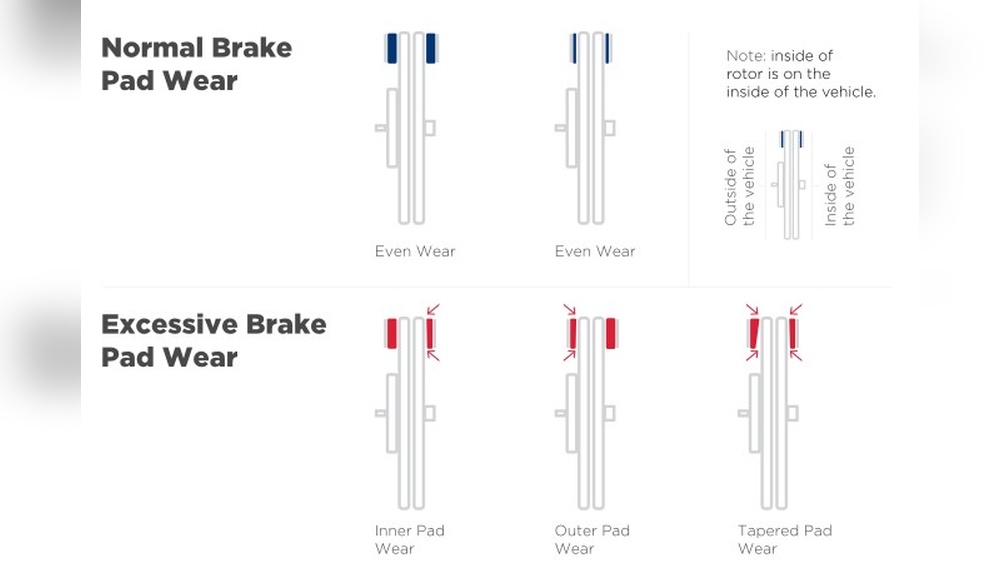
Look through the wheel spokes to see the brake pads. Pads thinner than 1/4 inch need replacing. Check for cracks, uneven wear, or deep grooves. Dirty or rusty rotors also indicate brake issues. Regular checks help catch problems early.
Inspecting Brake Rotors
Inspecting brake rotors is a key step in maintaining safe brakes. Rotors work with brake pads to stop your vehicle effectively. Checking rotors regularly helps spot problems early. This prevents costly repairs and keeps driving safe.
Identifying Rotor Damage
Look for visible signs of damage on the rotor surface. Deep grooves or scoring show wear from brake pads. Rust spots can weaken the rotor’s surface. Any rough or uneven areas may cause noise or vibration. Damaged rotors reduce braking power and need attention.
Measuring Rotor Thickness
Use a micrometer to measure rotor thickness accurately. Compare the measurement with the manufacturer’s minimum thickness. Rotors thinner than the limit should be replaced. Thin rotors heat up faster and can warp. Measuring thickness ensures the rotor can handle braking stress.
Checking For Warping And Cracks
Warped rotors cause brake pedal vibration during stops. Check for warping by spinning the wheel and watching rotor movement. Cracks often appear near the rotor edges or center. Cracks are dangerous and require immediate rotor replacement. Regular checks prevent brake failure from these issues.
Tools Needed For Inspection
Checking rotors and brake pads needs the right tools. Using proper tools makes the inspection easier and safer. Some tools are simple and easy to use at home. Others are more precise and made for detailed checks.
Basic Tools For Diy Checks
A jack and jack stands help lift and secure the vehicle. Lug wrench removes the wheel nuts. A flashlight shows details in dark areas. A ruler or brake pad gauge measures pad thickness. Gloves protect your hands from dirt and sharp edges. These tools allow a basic inspection without much cost.
Specialized Equipment For Accuracy
A micrometer or vernier caliper measures rotor thickness precisely. A dial indicator checks rotor runout to find warping. Brake pad thickness gauges give exact pad wear readings. Some shops use brake fluid testers to check system health. These tools help catch small problems early. They need more skill but improve inspection quality.

Credit: www.reddit.com
Step-by-step Brake Pad Check
Checking your brake pads is important for safe driving. It helps you know when to replace worn parts. This guide shows simple steps to check brake pads at home. No special tools needed, just basic care and attention.
Removing The Wheel
Start by parking your car on a flat surface. Use a jack to lift the wheel off the ground. Remove the lug nuts with a wrench. Take the wheel off carefully and set it aside. This gives clear access to the brake parts.
Examining The Brake Pads
Look at the brake pads inside the wheel hub. They sit next to the rotor, pressing against it to stop the car. Check for cracks, cracks, or uneven wear. Dirty pads may need cleaning to see properly. Any damage means you should replace them soon.
Assessing Pad Thickness
Measure the pad thickness using a ruler or your eyes. New pads are about 8 to 12 millimeters thick. If the pads are less than 3 millimeters, it is time to change them. Thin pads can reduce braking power and increase risk. Regular checks keep your brakes working well.
Step-by-step Rotor Check
Checking your brake rotors is a key part of car maintenance. It helps keep your brakes working well. Follow these steps to check your rotors carefully. This guide breaks down the process into simple parts. Each step helps you spot problems early.
Cleaning The Rotor Surface
Start by cleaning the rotor surface. Dirt and rust can hide damage. Use a wire brush to remove dirt and rust. Wipe the rotor with a clean cloth. Make sure the rotor is dry before the next step.
Inspecting For Surface Irregularities
Look closely at the rotor surface. Check for grooves, cracks, or warping. Small grooves can cause brake noise. Deep cracks mean the rotor needs replacing. Run your hand over the rotor to feel rough spots. Smooth rotors give the best brake performance.
Using A Micrometer For Measurement
Measure the rotor thickness with a micrometer. Compare your reading to the manufacturer’s minimum thickness. Thin rotors can fail and cause brake problems. Take measurements at several points on the rotor. This ensures even wear and safe braking.

Credit: www.youtube.com
When To Replace Brake Components
Knowing when to replace brake components helps keep your vehicle safe. Brake pads and rotors wear out over time. Replacing them at the right moment prevents accidents and costly repairs. Watch for signs that your brakes need attention. Regular checks save you money and stress.
Brake Pad Replacement Indicators
Brake pads wear thin with use. A squealing or screeching noise means pads are low. If the brake pedal feels soft or spongy, pads might be worn. Look for less braking power or longer stopping distances. Visual inspection shows pads under 3mm thick need replacement.
Rotor Replacement Guidelines
Rotors can warp or crack from heat and use. Vibrations or pulsations when braking suggest rotor issues. Deep grooves or scoring on rotors mean they may need replacement. Rotors thinner than the manufacturer’s minimum thickness must be changed. Check rotors every time you replace pads.
Consulting A Professional Mechanic
Brake systems are complex and safety-critical. A mechanic can inspect parts thoroughly. They measure pad thickness and rotor condition accurately. Professionals spot hidden problems you might miss. Always get expert advice if unsure about brake health.
Maintaining Brake System Health
Maintaining the health of your brake system is key to safe driving. Proper care helps your brakes work well and last longer. Checking brake parts regularly can prevent accidents and costly repairs. A well-maintained brake system gives you confidence on the road.
Regular Inspections
Look at your brake pads and rotors often. Thin or worn pads need replacing fast. Check for cracks or grooves on the rotors. Strange noises when braking mean a check is needed. Regular inspections catch problems early and keep brakes strong.
Brake Fluid Checks
Brake fluid moves force from the pedal to the brakes. Low or dirty fluid reduces braking power. Check the fluid level in the reservoir monthly. Change the fluid as the car manual suggests. Clean brake fluid helps the system work smoothly and safely.
Safe Driving Practices
Drive gently to protect your brakes. Avoid sudden stops and hard braking. Keep a safe distance to reduce frequent braking. Use engine braking on downhills to ease brake wear. Good driving habits extend the life of brake parts.
Frequently Asked Questions
How Do I Know When To Check Brake Pads?
Check brake pads if you hear squealing, feel vibrations, or notice reduced braking power. Regular inspections every 12,000 miles help prevent issues and maintain safety.
What Are Signs Of Worn Brake Rotors?
Worn rotors cause pulsating brakes, grinding noises, or visible grooves. Inspect rotors for uneven wear or cracks during brake pad replacements to ensure proper function.
Can I Check Rotors And Brake Pads Myself?
Yes, you can check them by removing the wheel and visually inspecting pads and rotors. However, consult a professional if unsure or if components show damage.
How Thick Should Brake Pads Be Before Replacing?
Brake pads should be replaced when thickness is below 3mm. Thin pads reduce braking efficiency and increase rotor damage risk, affecting overall vehicle safety.
Conclusion
Checking rotors and brake pads helps keep your car safe. Regular inspections catch problems early and save money. Look for cracks, grooves, or thin pads during checks. Clean parts and replace damaged ones on time. Simple steps protect your brakes and improve driving.
Stay aware of brake sounds and feel for changes. Routine care ensures smooth stops every time. Don’t ignore signs of wear or damage. Your safety depends on well-maintained brakes. Keep checking to drive with confidence and peace of mind.


