

You rely on your brakes every time you drive, but do you really know when they need to be changed? Ignoring worn brakes and rotors can put your safety at risk and lead to costly repairs.
Understanding how often you should replace these parts can save you money and keep your car running smoothly. You’ll discover the signs to watch for and the factors that affect brake and rotor lifespan. Keep reading to learn exactly when it’s time to take action and protect yourself on the road.
Signs Your Brakes Need Replacing
Brakes are one of the most important parts of your car. They keep you safe by stopping your vehicle. Over time, brake parts wear out and need replacement. Knowing the signs helps you avoid accidents and costly repairs. Watch for changes in sound, feel, or warning lights. These signs show your brakes need attention soon.
Squeaking And Grinding Noises
Squeaking sounds often mean brake pads are worn. This noise comes from a small metal piece called a wear indicator. It alerts you that pads need replacing soon. Grinding noises are more serious. They happen when pads are completely worn out. Metal parts then rub against rotors. This can damage the rotors and increase repair costs.
Reduced Brake Responsiveness
Your brakes should stop the car quickly and smoothly. Reduced responsiveness feels like the brakes are weak or slow. You may need to press the pedal harder to stop. This can happen if pads are thin or brake fluid is low. Weak brakes are dangerous and need immediate check-up.
Vibrations While Braking
Vibrations or shaking through the brake pedal can mean rotor problems. Rotors may be warped or uneven. This makes braking less smooth and can reduce control. Vibrations usually get worse with speed. It is best to have a mechanic inspect your brake system quickly.
Brake Warning Lights
Modern cars have warning lights on the dashboard. A brake warning light shows when there is an issue. It can mean low brake fluid, worn pads, or other problems. Never ignore this light. Check your brakes or visit a mechanic right away to stay safe.
Typical Brake Pad Lifespan
Brake pads wear down over time and need replacement. Their lifespan varies widely. Many drivers wonder how long brake pads last before they need changing.
Knowing the typical lifespan helps you plan maintenance. It also keeps your vehicle safe on the road. Brake pad life depends on many factors.
Average Mileage For Brake Pads
Most brake pads last between 30,000 and 70,000 miles. Some may wear out sooner, others last longer. City driving with frequent stops shortens pad life. Highway driving with steady speed usually extends it.
Factors Affecting Brake Pad Wear
How you drive impacts brake pad wear. Hard braking wears pads faster. Driving in hilly areas causes more wear. Weather also plays a role. Wet or icy roads require more braking. Brake pad material and vehicle weight matter too.
Different Types Of Brake Pads
Semi-metallic pads last longer but can be noisy. Ceramic pads offer quiet braking and less dust. Organic pads wear faster but feel softer. Each type suits different driving styles and needs.
Rotor Replacement Frequency
Rotors play a key role in your vehicle’s braking system. They work with brake pads to stop your car safely. Knowing how often to replace rotors keeps your brakes reliable and your drives safe.
Rotor replacement frequency depends on many factors. Driving style, road conditions, and rotor quality all affect how long they last. Regular inspection helps catch problems early and avoid costly repairs.
Standard Rotor Lifespan
Most rotors last between 30,000 and 70,000 miles. This range varies based on use and vehicle type. Frequent heavy braking shortens rotor life. Light, careful driving helps rotors last longer.
Check your vehicle manual for specific recommendations. Some rotors may last beyond 70,000 miles with proper care.
When To Resurface Vs. Replace
Rotors can be resurfaced if they have minor wear. Resurfacing smooths out small grooves and uneven surfaces. It restores rotor surface for better braking.
Replace rotors if they are too thin or cracked. Deep grooves and warping also mean replacement is needed. Thin rotors risk brake failure and are unsafe.
Signs Of Rotor Damage
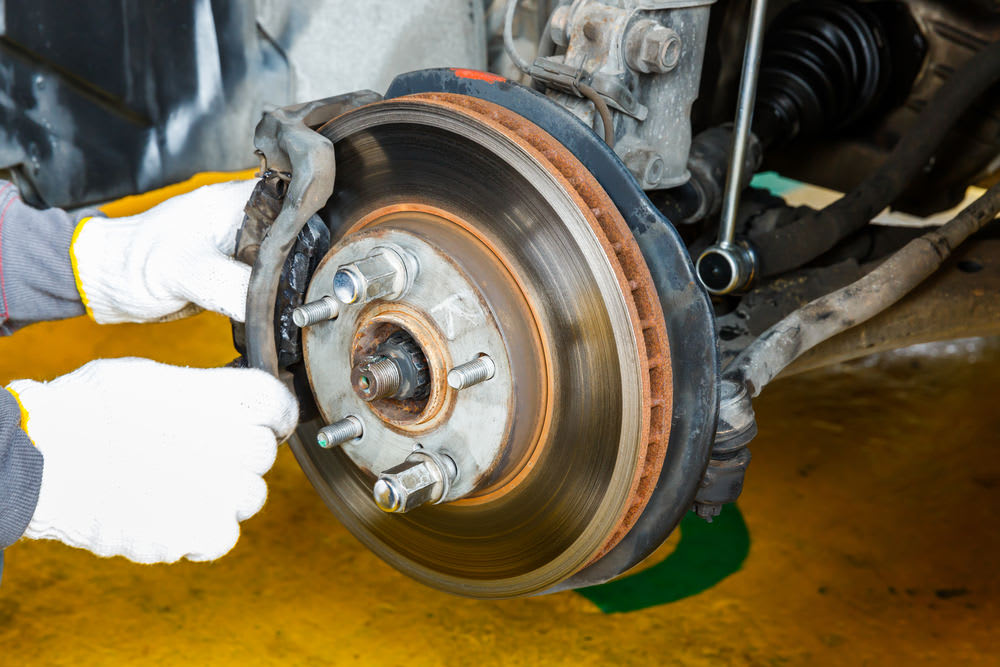
Listen for squealing or grinding sounds when braking. These noises often indicate rotor wear or damage. Feel for vibrations or pulsing in the brake pedal.
Visible cracks, rust, or scoring on rotors are clear damage signs. Prompt rotor repair or replacement keeps brakes working well.
Credit: www.yourmechanic.com
Driving Habits Impact
Driving habits play a big role in how fast brakes and rotors wear out. Different styles and conditions cause different levels of wear. Understanding these habits helps in knowing when to check or replace parts. Wear depends on how and where you drive most.
City Vs. Highway Driving
City driving causes more brake wear than highway driving. Frequent stops and starts mean using brakes often. Traffic lights and stop signs make brakes work harder. Highway driving is smoother with fewer stops. Brakes last longer with steady speeds and less braking.
Aggressive Braking Effects
Aggressive braking wears down brakes and rotors quickly. Hard stops create more heat and pressure on parts. This causes faster damage and reduces lifespan. Gentle braking helps keep brakes in good shape longer. Smooth stops save money and improve safety.
Weather And Road Conditions
Weather affects how brakes and rotors wear out. Rain, snow, and ice make roads slippery and affect braking. Drivers use brakes more carefully but also more often. Salt and dirt on roads can cause rust on rotors. Dry and clean roads cause less wear on brakes.
Maintenance Tips For Longevity
Keeping brakes and rotors in good shape extends their life and keeps driving safe. Simple care steps help avoid early repairs and costly replacements. Focus on regular checks and smart use to keep parts working well longer.
Regular Inspections
Check brakes and rotors every 10,000 miles or during oil changes. Look for wear, cracks, or uneven surfaces. Early signs of damage help fix problems before they get worse. Listen for squeaking or grinding sounds as clues. Inspect brake fluid level and condition too.
Proper Bedding-in Techniques
New brake pads need careful use at first. Apply brakes gently for the first 200 miles to help pads and rotors adjust. Avoid hard stops during this period. This process creates a smooth contact surface and improves braking power. Proper bedding reduces noise and uneven wear.
Avoiding Brake Overheating
Do not ride brakes down steep hills or stop suddenly all the time. Overheating wears out brake pads and rotors fast. Use engine braking or shift to a lower gear on long descents. Stop often if brakes feel hot. Cool brakes last longer and work better.

Credit: www.reddit.com
Cost Factors For Replacement
Replacing brakes and rotors involves several cost factors. Understanding these can help you plan your budget better. Prices vary depending on parts and labor needed for your vehicle. Knowing what affects costs can prevent surprises during repair.
Brake Pad Prices
Brake pad prices differ by material and brand. Standard pads cost less but wear out faster. Premium pads last longer and handle heat better. Prices range from $30 to $100 per set. Your vehicle type also affects the price.
Rotor Costs
Rotors can be replaced or resurfaced, affecting the cost. New rotors usually cost between $40 and $150 each. Some cars need high-performance rotors, which cost more. Resurfacing is cheaper but not always possible or safe.
Labor Charges
Labor costs depend on the mechanic and location. The job usually takes one to two hours. Expect to pay $80 to $150 per hour for labor. Complex vehicles or extra repairs increase labor time and costs.
Professional Vs. Diy Replacement
Replacing brakes and rotors can be done by professionals or as a DIY project. Each choice has its own set of advantages and challenges. Knowing the differences helps you decide what fits your skills and needs best.
Benefits Of Professional Service
Professionals have experience and proper training. They can spot hidden issues quickly. Using the right tools, they ensure parts are installed correctly. This reduces the risk of brake failure. Professionals also provide warranties on their work. This adds extra peace of mind. The job usually takes less time than a DIY attempt. Most shops follow safety standards strictly. This guarantees reliable brake performance after service.
Tools Needed For Diy
Replacing brakes and rotors requires several specific tools. You need a jack and jack stands to lift the car safely. A lug wrench is essential to remove wheel nuts. A C-clamp or brake caliper tool helps push pistons back. Wrenches and sockets fit various bolts. Brake cleaner and anti-seize lubricant improve installation. Having a torque wrench ensures bolts are tightened right. These tools make the job easier and safer to do at home.
Safety Precautions
Safety is critical during brake and rotor replacement. Always work on a flat, stable surface to prevent accidents. Use jack stands; never rely on a jack alone. Wear gloves and eye protection to avoid injury. Avoid inhaling brake dust, which can be harmful. Double-check all bolts are tight before driving. Test brakes gently after replacement to ensure proper function. Taking safety seriously protects you and others on the road.
Credit: www.reddit.com
Frequently Asked Questions
How Often Should Brake Pads Be Replaced?
Brake pads generally need replacement every 30,000 to 70,000 miles. This depends on driving habits, vehicle type, and pad quality. Regular inspections help spot wear early and ensure safety.
When Do Brake Rotors Need Changing?
Brake rotors usually require replacement every 50,000 to 70,000 miles. Warping, deep grooves, or thinning below manufacturer specs indicate the need for new rotors. Proper maintenance extends rotor life.
Can Worn Rotors Damage Brake Pads?
Yes, worn rotors can cause uneven brake pad wear. This reduces braking efficiency and increases repair costs. Timely rotor replacement protects pads and ensures smooth braking.
How To Tell If Brakes Or Rotors Need Service?
Listen for squealing or grinding noises and feel for vibration when braking. These signs often mean pads or rotors need inspection or replacement.
Conclusion
Brake and rotor wear varies by driving habits and conditions. Regular checks help keep your car safe. Listen for noises or feel vibrations while driving. These signs often mean it’s time for service. Changing parts on time avoids bigger problems later.
Stay aware and follow your vehicle’s maintenance schedule. Safe brakes ensure confident driving every day.


