If you rely on your vehicle or equipment every day, keeping your metal fuel filter clean is key to smooth performance. You might not realize it, but a dirty fuel filter can cause engine trouble, reduce power, and even damage your fuel system.
The good news? Cleaning your metal fuel filter is easier than you think—and it can save you time and money. You’ll learn simple, step-by-step ways to clean your filter properly so your engine runs like new. Ready to keep your fuel system in top shape?
Let’s dive in.
Credit: www.g-locbrakes.com
Signs Of A Dirty Fuel Filter
A metal fuel filter cleans dirt and rust from your fuel before it reaches the engine. Over time, this filter gets dirty and clogged. This causes several problems in your vehicle. Knowing the signs of a dirty fuel filter helps you fix issues early. It keeps your engine running smooth and saves money on repairs.
Reduced Engine Performance
A dirty fuel filter blocks fuel flow to the engine. The engine gets less fuel than it needs. This causes weak acceleration and slow response. Your car may feel sluggish on hills or when you press the gas. The engine struggles to run at full power.
Fuel Efficiency Drop
When the fuel filter clogs, the engine works harder. It burns more fuel to keep running. You notice you fill the gas tank more often. Your miles per gallon go down. A dirty fuel filter wastes fuel and costs more money.
Engine Misfires And Stalling
Blocked fuel flow can cause engine misfires. The engine may run rough or shake. Sometimes, it stalls while idling or driving. This happens because the engine does not get steady fuel. The car may stop suddenly, which is dangerous on the road.
Tools And Materials Needed
Cleaning a metal fuel filter requires specific tools and materials. Having everything ready makes the process easier and safer. This section lists the essential items you need before starting.
Protective Gear
Wear safety glasses to protect your eyes from fuel splashes. Use gloves to keep your hands safe from chemicals and dirt. A mask helps avoid inhaling harmful fumes. Dress in old clothes to prevent stains.
Cleaning Solutions
Use a solvent made for fuel filters or carburetor cleaner. These dissolve dirt and grease without damaging metal parts. Avoid water or household cleaners, as they can cause rust.
Basic Tools
Prepare a small brush or toothbrush to scrub the filter gently. Have a container to soak the filter in cleaning solution. Use a wrench or pliers to remove and reattach the filter. Keep clean rags handy to dry the parts after cleaning.
Removing The Metal Fuel Filter
Removing the metal fuel filter is the first step in cleaning it properly. This task needs care and the right steps. Taking the fuel filter out safely helps avoid damage to the filter or vehicle parts.
Follow these clear steps to remove the metal fuel filter without trouble.
Locating The Fuel Filter
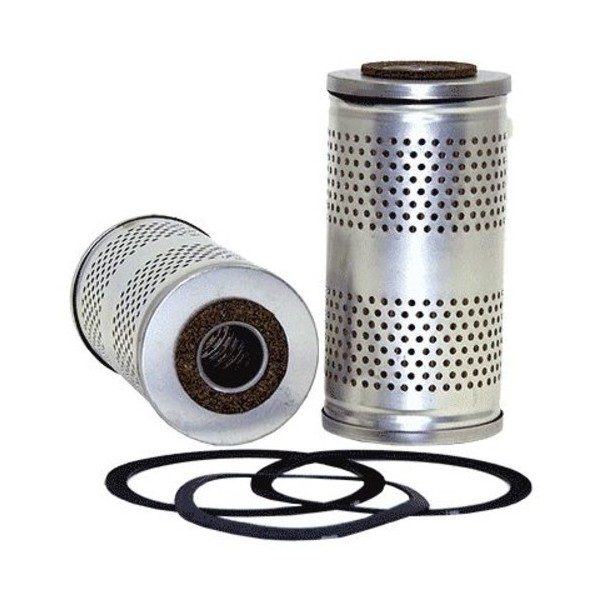
The fuel filter is usually near the engine or fuel tank. Look for a small metal cylinder connected to fuel lines. Check your vehicle manual if unsure about the exact spot. The filter may be hidden behind a shield or under the car.
Safety Precautions
Safety first. Work in a well-ventilated area to avoid inhaling fumes. Wear gloves and eye protection. Turn off the engine and let it cool. Keep a container ready to catch any fuel that spills out. Avoid open flames or sparks nearby.
Detaching The Filter
Use the correct tools to loosen the fuel lines attached to the filter. Loosen clamps or screws carefully. Pull the filter out gently to avoid bending fuel lines. Keep track of any small parts removed. Place the filter on a clean surface for cleaning.
Cleaning Process
Cleaning a metal fuel filter keeps your engine running smoothly. Dirt and debris block fuel flow, reducing performance. A clean filter improves fuel efficiency and engine life. Follow these steps carefully to clean your metal fuel filter.
Initial Inspection
Start by removing the fuel filter from your vehicle. Check for cracks or damage in the metal body. Look inside for dirt, rust, or debris buildup. If the filter is damaged, replace it instead of cleaning. A good inspection saves time and effort later.
Soaking And Scrubbing
Prepare a container with a safe cleaning solvent. Soak the metal fuel filter in the solvent for 15 to 30 minutes. This loosens stubborn dirt and grime inside the filter. Use a soft brush to scrub the metal mesh gently. Avoid using hard brushes that can damage the filter. Repeat soaking and scrubbing if needed.
Drying The Filter
Shake off excess solvent after cleaning. Let the filter air dry completely before reinstalling. Use compressed air to speed up drying if available. Ensure no moisture remains inside the filter to prevent rust. A dry filter protects your engine and fuel system.
Reinstalling The Fuel Filter
Reinstalling the fuel filter is a key step after cleaning. Proper installation ensures your engine runs smoothly. Take care to follow each step carefully. This helps avoid leaks and engine problems.
Proper Alignment
Align the filter in the correct direction. Most filters have an arrow showing fuel flow. Match this arrow with the fuel line direction. Make sure the filter sits firmly in place. Misalignment can cause fuel flow issues.
Securing Connections
Attach the fuel lines tightly to the filter ends. Use clamps or connectors provided with the filter. Tighten them just enough to stop leaks. Avoid over-tightening, which can damage the filter or lines.
Leak Check
Turn on the engine or fuel pump slowly. Watch for any signs of fuel leaking around the filter. If you spot leaks, tighten connections again. Check multiple times to ensure a safe seal.

Credit: www2.cip1.com
Maintenance Tips For Longevity
Keeping your metal fuel filter in good shape helps your engine work better. Simple habits can make your filter last longer. These tips protect your filter and keep your engine safe.
Regular Cleaning Schedule
Clean the fuel filter often. Dirt and debris build up over time. Set a schedule to check and clean the filter. This stops clogs and keeps fuel flowing well. A clean filter helps your engine run smooth.
Using Quality Fuel
Use clean, good fuel only. Cheap or dirty fuel harms the filter. It can block tiny holes and cause damage. Always buy fuel from trusted stations. Good fuel keeps the filter and engine safe.
Monitoring Engine Performance
Watch how your engine runs. Strange noises or weak power may mean a dirty filter. Check the filter if the engine acts up. Fixing problems early saves time and money. Regular checks keep your engine strong.

Credit: www.martinispa.com
Frequently Asked Questions
How Often Should I Clean A Metal Fuel Filter?
Clean your metal fuel filter every 10,000 to 15,000 miles. Frequent cleaning prevents clogging and ensures optimal engine performance. Check your vehicle manual for specific intervals. Regular maintenance extends filter life and improves fuel efficiency, keeping your engine running smoothly.
What Tools Are Needed To Clean A Metal Fuel Filter?
You need a wrench, container, cleaning solvent, soft brush, and gloves. The wrench removes the filter. The solvent dissolves debris. The brush helps scrub the filter gently. Gloves protect your hands from chemicals. Proper tools make cleaning safe and effective.
Can I Use Household Cleaners For Metal Fuel Filters?
Avoid household cleaners; they may damage the filter. Use specialized fuel filter cleaning solvents instead. These solvents safely remove dirt without harming the metal mesh. Proper cleaners maintain filter integrity and prevent engine issues.
How Do I Know If My Fuel Filter Needs Cleaning?
Signs include engine misfires, reduced fuel efficiency, and rough idling. A clogged filter restricts fuel flow, causing these symptoms. Regular inspection helps detect buildup early. Clean the filter promptly to avoid engine damage and maintain performance.
Conclusion
Cleaning a metal fuel filter keeps your engine running smooth. Dirt and debris can block fuel flow and cause problems. Regular cleaning helps avoid costly repairs and saves money. Use simple tools and follow steps carefully for best results. Take your time and check the filter often.
Clean filters improve fuel efficiency and engine life. Small effort, big benefits. Keep your vehicle in good shape by maintaining the fuel filter. Simple care makes a big difference.