

If you’ve noticed your bike’s brakes aren’t working as smoothly as before, the problem might be dirty disc brake rotors. Cleaning them properly is key to keeping your ride safe and quiet.
But how do you clean these delicate parts without causing damage? You’ll discover simple, effective steps to make your disc brake rotors shine and perform like new. Keep reading—you’ll save time, avoid costly repairs, and enjoy a smoother ride every time you hit the road.
Signs Of Dirty Rotors
Dirty bicycle disc brake rotors show clear signs that need attention. Recognizing these signs helps keep your brakes safe and effective. Regular checks prevent bigger problems and ensure smooth rides.
Noise And Squealing
Dirty rotors often make loud squealing sounds during braking. This noise comes from dirt or oil on the rotor surface. Clean rotors stop unwanted sounds and make rides quieter.
Reduced Braking Power
Contaminated rotors reduce how well your brakes work. You may notice longer stopping distances or weak braking force. Clean rotors restore strong and reliable brake performance.
Visual Contamination
Look closely at the rotor surface for dirt or oil stains. A shiny or greasy look means the rotor is dirty. Clean rotors appear dull and free from grime or marks.
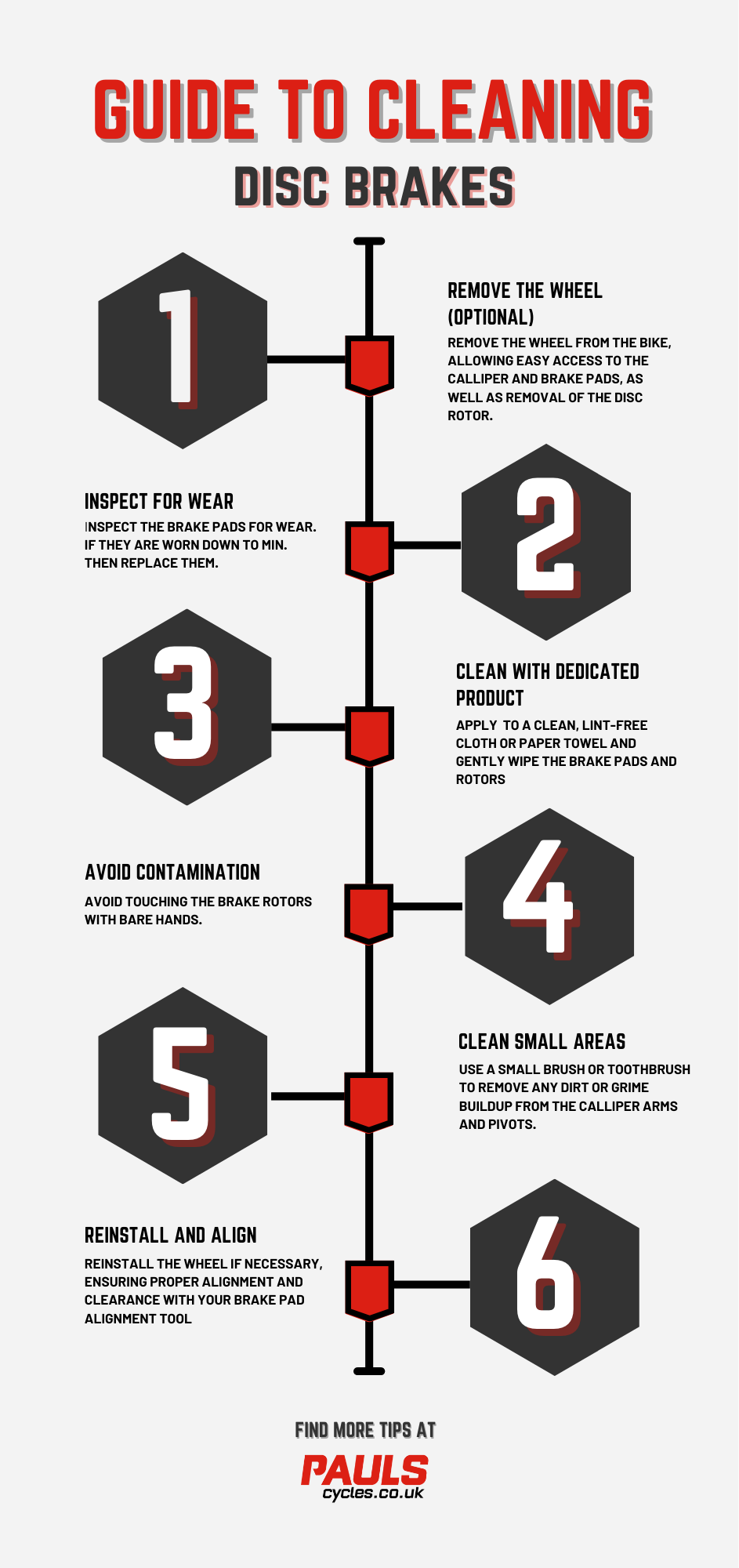
Credit: www.paulscycles.co.uk
Tools And Materials Needed
Cleaning bicycle disc brake rotors requires specific tools and materials. These ensure the job is done safely and effectively. Using the right items helps maintain your bike’s performance. Below, find the essential tools and materials you will need.
Cleaning Solutions
Use isopropyl alcohol for the best cleaning results. It removes oil, dirt, and brake dust well. Avoid using oily or greasy cleaners. Brake-specific cleaners are also good choices. These solutions dry quickly and leave no residue.
Cloths And Brushes
Use clean, lint-free cloths to wipe the rotors. Microfiber cloths work great without scratching. Soft brushes help remove stuck dirt gently. Avoid using abrasive materials that can damage the rotor surface.
Safety Gear
Wear gloves to protect your skin from chemicals. Safety glasses keep your eyes safe from splashes. Work in a well-ventilated area to avoid inhaling fumes. Protecting yourself ensures a safe cleaning process.
Preparing Your Bike
Preparing your bike properly makes cleaning disc brake rotors easier and safer. Start by setting your bike in a stable position. This step prevents accidents and helps you work comfortably. Next, removing the wheel gives clear access to the rotor. Finally, checking the brake pads ensures they stay clean and function well after cleaning.
Securing The Bicycle
Place your bike on a repair stand or lean it against a solid surface. Make sure it does not move while you work. Lock the wheels or remove the quick-release lever to keep the bike steady. This prevents the bike from falling and causing damage.
Removing The Wheel
Release the brake caliper if needed to free the wheel. Open the quick-release or loosen the axle nuts. Carefully lift the wheel off the frame or fork. Set the wheel on a clean surface to avoid dirt on the rotor. This gives you better access to clean the disc rotor fully.
Checking Brake Pads
Look at the brake pads for dirt or wear. Dirty pads can reduce braking power. Replace pads if they are too thin or damaged. Clean the pads gently with isopropyl alcohol to remove grime. Well-maintained pads improve braking and protect the rotor after cleaning.

Credit: www.youtube.com
Cleaning Process
Cleaning your bicycle disc brake rotors is key for smooth and safe rides. Dirt and grease reduce braking power. The cleaning process removes grime and restores rotor performance. Follow these simple steps to clean your rotors properly.
Applying Cleaner
Use a brake cleaner or isopropyl alcohol. Spray the cleaner evenly on both sides of the rotor. Avoid using oil-based products. Let the cleaner soak for a few seconds. This loosens dirt and brake dust.
Scrubbing The Rotor
Take a soft brush or a clean cloth. Gently scrub the rotor surface. Focus on areas with visible dirt or stains. Be careful not to bend the rotor. Scrubbing removes stubborn grime and old brake residue.
Wiping And Drying
Use a clean, dry cloth to wipe off the cleaner and dirt. Make sure to dry the rotor completely. Wet rotors can cause braking noise and poor performance. Let air dry if needed before riding your bike.
Post-cleaning Checks
After cleaning your bicycle disc brake rotors, perform essential checks. These checks ensure your brakes work safely and smoothly. Skipping this step can cause poor braking or damage to your bike.
Inspecting For Damage
Look closely at the rotor for cracks, bends, or deep scratches. Small scratches are normal, but big ones need attention. Bent rotors can rub on brake pads and reduce stopping power. Replace damaged rotors to keep your bike safe.
Reinstalling The Wheel
Put the wheel back carefully, making sure it fits snugly. Align the rotor between the brake pads without touching them. Tighten the axle or quick release securely. Proper installation stops wobbling and uneven wear on the rotor.
Test Braking Performance
Spin the wheel and press the brake lever gently. The brake should grab smoothly without noise or vibration. Try braking at slow speeds first to check response. If brakes feel weak or noisy, recheck the rotor and pads. Testing ensures safe rides every time.

Credit: off.road.cc
Tips For Maintenance
Keeping your bicycle disc brake rotors clean helps maintain strong braking power and long-lasting parts. Regular care prevents dirt buildup and stops noise from dirty rotors. Follow simple tips to keep rotors in top shape and ride safely.
Regular Cleaning Schedule
Clean your rotors every few rides or after muddy trips. Use isopropyl alcohol and a clean cloth to wipe the surface. Avoid oily cleaners that leave residue. Regular cleaning stops grime from building up and keeps brakes working well.
Avoiding Contaminants
Keep oils, grease, and lotions away from brake rotors. These substances reduce braking power and cause noise. Use gloves while handling rotors and avoid touching them with bare hands. Prevent dirt and dust by riding on cleaner paths when possible.
Proper Storage
Store your bike in a dry, dust-free place to protect rotors from rust and dirt. Hang the bike or use a stand to avoid pressure on the brakes. Cover the bike if stored for a long time to keep rotors clean and ready for your next ride.
Frequently Asked Questions
How Often Should I Clean Bicycle Disc Brake Rotors?
Clean your disc brake rotors every 1-2 months or after riding in wet conditions. Regular cleaning prevents dirt buildup and maintains braking performance. Frequent cleaning ensures safety and prolongs rotor life.
What Materials Are Best For Cleaning Disc Brake Rotors?
Use isopropyl alcohol or dedicated disc brake cleaner. Avoid oily or greasy substances as they reduce braking efficiency. Use a clean, lint-free cloth for wiping. These materials effectively remove contaminants without damaging the rotor.
Can I Use Household Cleaners On Disc Brake Rotors?
No, avoid household cleaners like detergents or solvents. They may leave residues that impair braking. Stick to isopropyl alcohol or specialized disc brake cleaners for safe, effective cleaning.
How Do I Know If My Rotors Need Cleaning?
If you hear squeaking, grinding, or notice reduced braking power, clean your rotors. Visual signs include dirt, oil, or rust on the rotor surface. Regular inspection helps maintain optimal brake function.
Conclusion
Cleaning your bicycle disc brake rotors keeps your bike safe and smooth. Dirt and oil can reduce braking power and cause noise. Use the right cleaner and a clean cloth for best results. Regular cleaning helps your brakes last longer and work better.
Take a few minutes after each ride to check your rotors. Clean rotors mean safer rides and more control. Simple steps make a big difference for your bike’s performance. Keep your brakes clean, and enjoy every ride with confidence.


