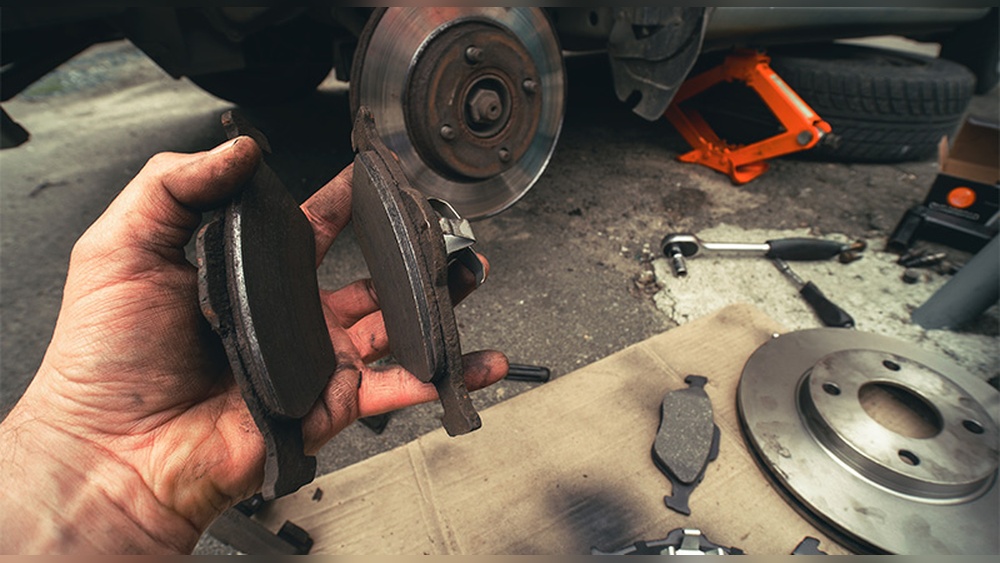
When it comes to keeping your car safe, your brakes play a vital role. But how much does it really cost to replace brake pads and rotors?
You might be worried about unexpected expenses or unsure if your car needs this service soon. Understanding the price and what affects it can save you money and stress. You’ll discover clear answers about brake pad and rotor replacement costs, helping you make smart decisions for your vehicle and budget.
Keep reading to learn what you need to know before your next brake repair.
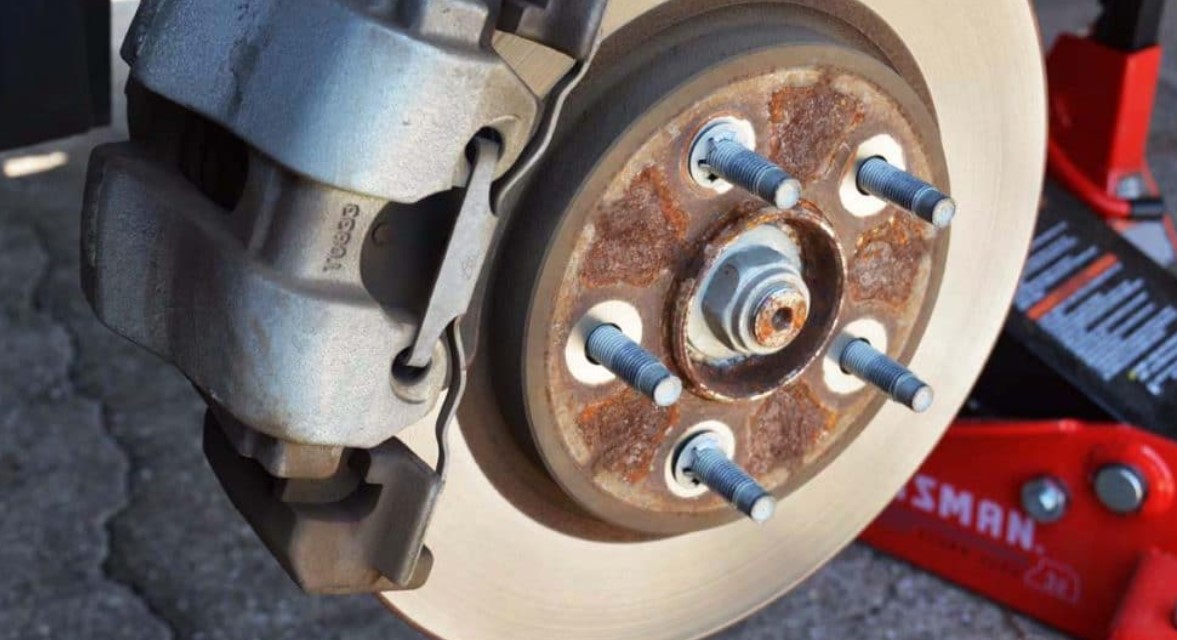
Credit: omegaautocare.com
Brake Pads Cost Breakdown
Replacing brake pads is a common car repair. Understanding the cost helps you plan your budget. Costs depend on the type of brake pads and labor charges. Let’s break down what affects the price.
Knowing the differences in brake pad types and materials guides you to the right choice. Labor costs also add to the total expense. Each part of the process has its own price range.
Types Of Brake Pads
There are three main types of brake pads. Ceramic pads are quiet and last long. They cost more but wear down rotors less. Semi-metallic pads are cheaper and offer good stopping power. They can be noisy and wear faster. Organic pads are the least expensive but wear out quickly. They produce less dust but may not stop as well.
Price Range By Material
Ceramic brake pads usually cost between $50 and $150 per set. Semi-metallic pads range from $30 to $70. Organic pads can be as low as $20 to $50. Prices vary by brand and vehicle model. Higher quality pads often cost more but last longer.
Labor Costs For Replacement
Labor costs depend on the mechanic and location. Most shops charge between $80 and $150 for brake pad replacement. The job usually takes about one hour per axle. Some cars require more time, which raises labor fees. Always ask for a clear estimate before service.

Credit: www.youtube.com
Rotor Replacement Expenses
Rotors are an important part of your car’s braking system. They work with brake pads to stop the vehicle safely. Over time, rotors wear out and need replacement. The cost to replace rotors varies. Several factors affect the total price. Knowing these helps you plan your budget better.
Prices depend on rotor type, labor costs, and car model. Each factor plays a key role in the final bill. Understanding these elements can make the process clear and less stressful.
Rotor Types And Prices
Rotors come in different types. The most common are solid, vented, drilled, and slotted. Solid rotors are the cheapest but may heat up fast. Vented rotors have cooling channels to reduce heat. Drilled rotors have holes to improve brake performance. Slotted rotors have grooves for better water and dust removal.
Prices vary widely. Basic solid rotors can cost $30 to $50 each. Vented rotors are usually $40 to $70. Drilled or slotted rotors tend to be more expensive, around $60 to $100 or more. Luxury or performance cars may require special rotors that cost even more.
Signs You Need New Rotors
Your car gives signals when rotors wear out. You may hear a squealing or grinding noise when braking. Vibrations or pulsations in the brake pedal also indicate worn rotors. If the rotors look rusty or have deep grooves, they might need replacement. Longer stopping distances can be a warning sign as well.
Ignoring these signs can lead to costly repairs. It is safer and cheaper to replace rotors early. Regular checks help catch rotor issues before they get worse.
Labor Fees For Rotor Change
Labor costs for rotor replacement depend on the mechanic and location. On average, labor fees range from $80 to $150 per axle. Some cars take more time to service, increasing labor costs. Labor includes removing old rotors, cleaning parts, and installing new ones.
Prices may be higher at dealerships. Independent shops often charge less. Always ask for a detailed quote before work starts. This prevents surprises on your bill.
Factors Influencing Total Cost
The total cost for brake pad and rotor replacement can vary widely. Several key factors influence the final price you will pay. Understanding these factors helps you prepare your budget better.
Costs depend on your vehicle, the parts you choose, and where you get the service done. Each factor plays a role in shaping the overall expense.
Vehicle Make And Model
Different vehicles require different brake parts. Luxury or sports cars usually need more expensive pads and rotors. Common cars often have cheaper, easier-to-find parts. Some models need special tools or labor, raising the service cost. The complexity of your vehicle affects both parts and labor charges.
Quality Of Parts
Brake parts come in various quality levels. OEM parts match the original equipment and tend to cost more. Aftermarket parts can be cheaper but vary in quality. Low-quality parts might wear out faster and need replacement sooner. Investing in better parts can save money over time.
Service Location Impact
Service prices change based on location. Urban areas and big cities usually charge higher labor fees. Rural or smaller towns often have lower service costs. Dealerships often cost more than independent mechanics. Choosing your service place affects both labor and parts prices.
Diy Vs Professional Replacement
Replacing brake pads and rotors can be done by yourself or by a professional mechanic. Each choice has benefits and drawbacks. Understanding these can help you decide the best option for your car and budget.
Cost Savings Of Diy
Doing the brake job yourself saves money on labor costs. Parts like brake pads and rotors are often cheaper online or at stores. You only pay for the parts and tools if you don’t have them. This can lower the total cost by 30% or more. You avoid shop fees and taxes on service. DIY also gives you control over the quality of parts used.
Risks And Challenges
Brake replacement is not easy for beginners. It requires tools, time, and some mechanical skill. Mistakes can lead to brake failure and dangerous driving. Properly cleaning and installing parts matters a lot. Some cars have complex brake systems that need special tools. DIY can take several hours and cause frustration. Without experience, you might miss signs of other brake problems.
When To Choose A Mechanic
Choose a mechanic if you lack tools or skills. Professionals have experience to do the job right and fast. They can spot extra issues during the repair. If your car has advanced brake systems, a mechanic is safer. Also, if your brakes make strange noises or vibrations, expert help is best. A mechanic provides a warranty on parts and work. This gives peace of mind after the service.
Ways To Save On Brake Service
Brake service can be expensive, but there are ways to save money. Knowing some simple tips helps keep costs low. Saving on brake pad and rotor replacement is possible with smart choices.
Coupons And Discounts
Many repair shops offer coupons or discounts. Check their websites or social media pages for deals. Some places give discounts for first-time customers or specific car models. Using these offers can reduce your bill significantly.
Choosing Aftermarket Parts
Aftermarket parts cost less than original equipment manufacturer (OEM) parts. They often provide good quality at a lower price. Ask your mechanic about reliable aftermarket brake pads and rotors. This choice saves money without losing safety.
Regular Maintenance Tips
Keep brakes in good shape with regular checks. Clean brake parts to avoid dirt buildup. Avoid hard braking to reduce wear on pads and rotors. Regular maintenance makes parts last longer and cuts down replacement frequency.
Signs Your Brakes Need Service
Brakes are one of the most important parts of your car. They keep you safe on the road. Knowing the signs your brakes need service can save you from bigger problems. Early detection helps avoid costly repairs and accidents. Pay attention to how your brakes feel and sound.
Common Brake Problems
Brake pads wear out over time. They get thin and stop working well. Rotors can become warped or cracked. This causes vibrations when braking. Brake fluid leaks lead to poor brake performance. Sometimes, brakes make squealing or grinding noises. These are signs of trouble.
How To Spot Brake Wear
Listen for unusual noises like squeaks or grinding. Feel for vibrations or pulsing in the brake pedal. Notice if the car pulls to one side during braking. Check if the brake pedal feels soft or sinks down. Look for warning lights on your dashboard. These signs mean your brakes need a check.
Importance Of Timely Replacement
Replacing brake pads and rotors on time keeps you safe. Worn brakes increase stopping distance. This raises the risk of accidents. Timely service prevents damage to other brake parts. It also saves money on major repairs. Regular checks keep your car running smoothly.

Credit: www.youtube.com
Frequently Asked Questions
How Much Does Brake Pad And Rotor Replacement Cost?
Brake pad and rotor replacement typically costs between $250 and $500. The price depends on vehicle type, parts quality, and labor charges. Luxury or performance cars may cost more. Always get a detailed quote from your mechanic for accurate pricing.
When Should I Replace Brake Pads And Rotors?
Replace brake pads when thickness is below 3mm or if squealing occurs. Rotors need replacement if warped, cracked, or worn below minimum thickness. Regular inspections every 12,000 miles help catch issues early. Timely replacement ensures safety and optimal braking.
Can I Replace Brake Pads And Rotors Myself?
Yes, if you have mechanical skills and proper tools, you can replace brake pads and rotors. However, incorrect installation risks safety and vehicle damage. Beginners should consult manuals or seek professional help to ensure proper and safe replacement.
Does Brake Pad And Rotor Replacement Improve Braking?
Replacing worn brake pads and rotors restores braking performance significantly. It reduces stopping distances and prevents vibrations or noise. Fresh components ensure safer, smoother braking and extend the lifespan of the braking system. Regular maintenance is key to optimal safety.
Conclusion
Brake pad and rotor replacement costs vary by car and location. Choosing quality parts helps your brakes last longer. Regular maintenance keeps your vehicle safe on the road. Don’t ignore brake noises or poor performance signs. Timely repairs can save you money in the long run.
Knowing the average price helps you plan your budget. Keep your brakes in good shape for peace of mind. Simple steps prevent bigger problems and costly repairs. Stay informed and drive safely every day.