

You want your car to look spotless, but scrubbing by hand can take forever and leave streaks behind. What if you could clean your car faster, with less effort, and get that showroom shine every time?
Using a car pressure washer is the secret tool you need. It blasts away dirt, grime, and mud in seconds, saving you time and frustration. In this guide, you’ll learn exactly how to use a car pressure washer safely and effectively, so your car looks its best without any damage.
Ready to transform your car cleaning routine? Keep reading and discover the simple steps to get started!
Choosing The Right Pressure Washer
Choosing the right pressure washer is key for cleaning your car safely. The wrong washer can damage the paint or leave dirt behind. Understanding different types and features helps pick the best one for your needs. This guide breaks down the main points to consider.
Types Of Pressure Washers
Electric pressure washers suit most car cleaning tasks. They are light, easy to use, and quieter than gas models. Gas pressure washers offer more power but can be heavy and noisy. For cars, electric models usually provide enough pressure without risk.
Ideal Pressure Settings For Cars
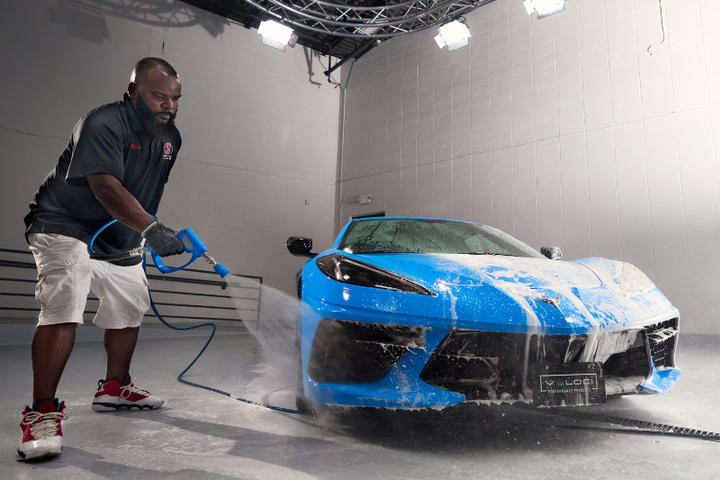
Keep pressure between 1200 and 1900 PSI for safe car washing. Too high pressure may harm paint and trim. Many electric washers have adjustable settings to control water force. Use lower pressure for delicate parts like mirrors and decals.
Essential Features To Look For
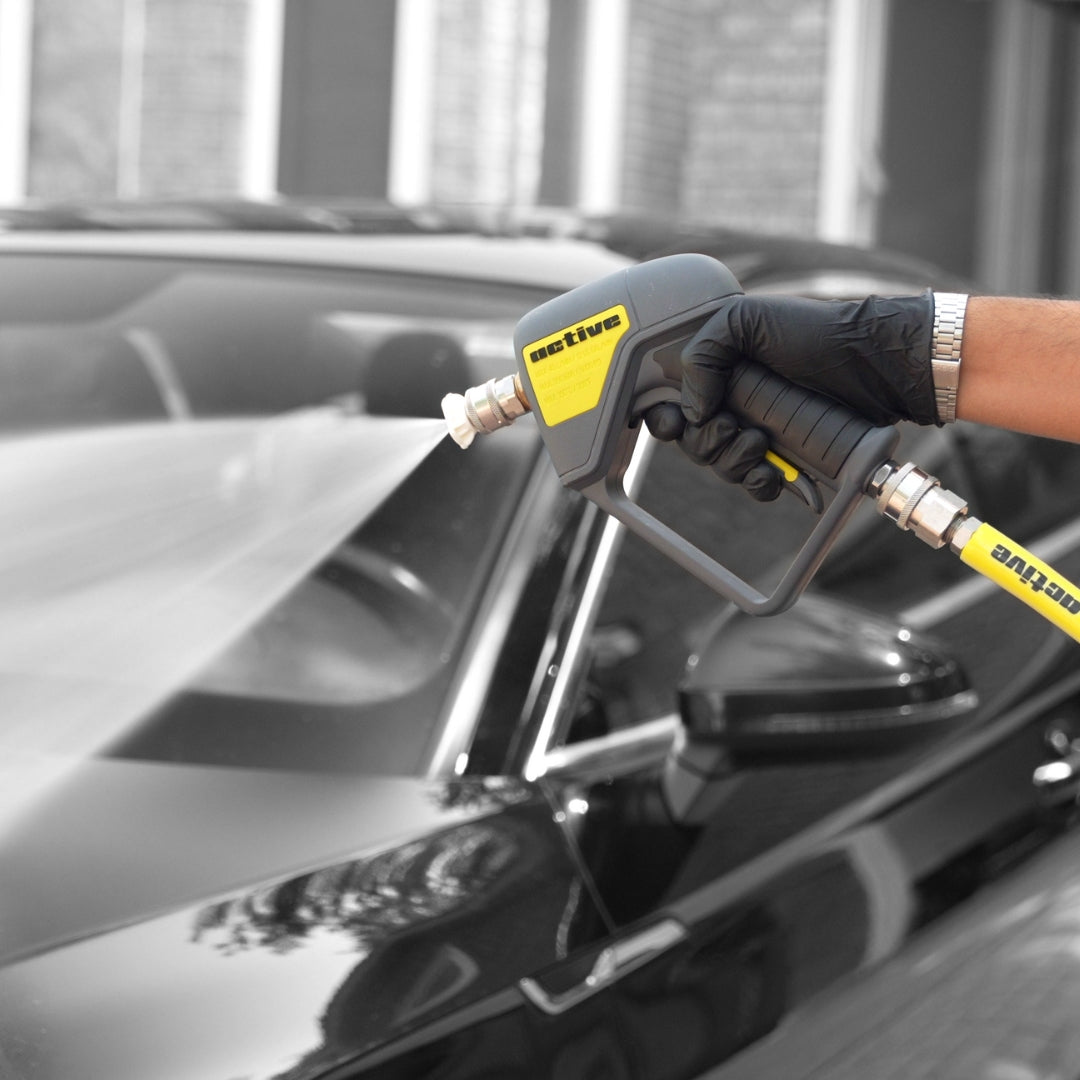
Look for models with adjustable nozzles to change spray patterns. A good hose length helps reach all car areas easily. Choose washers with built-in detergent tanks for better cleaning. Safety features like trigger locks prevent accidental sprays.
Credit: www.mtmhydroparts.com
Preparing Your Car For Washing
Preparing your car for washing is a key step to get the best results. It helps protect your car’s paint and parts. Taking time to prepare saves effort later. Follow these simple steps to make washing easier and safer.
Removing Loose Dirt
Start by brushing off loose dirt and dust. Use a soft broom or cloth to avoid scratches. This step stops dirt from rubbing into the paint during washing. Focus on the roof, hood, and sides. Clear dirt helps the pressure washer work better.
Protecting Sensitive Areas
Cover parts that water can damage. Use plastic bags or waterproof tape on lights and air vents. Seal door locks and mirrors carefully. This stops water from entering and causing problems. Protecting these areas keeps your car safe during washing.
Gathering Necessary Supplies
Prepare all tools before starting. You need a car pressure washer, soap, microfiber cloths, and a bucket. Have a hose ready for rinsing. Gather everything in one place. This saves time and makes washing smooth and fast.
Setting Up The Pressure Washer
Setting up your car pressure washer correctly ensures a smooth washing experience. Proper setup helps protect your car’s paint and cleans efficiently. Follow these simple steps before starting your wash.
Connecting To Water Supply
Attach the pressure washer hose to a water source. Use a garden hose with a good water flow. Ensure the connection is tight to avoid leaks. Turn on the water supply fully before starting.
Selecting Nozzle Attachments
Choose the right nozzle for your car’s surface. Use a low-pressure nozzle to avoid paint damage. High-pressure nozzles are best for tough dirt. Attach the nozzle securely to the spray wand.
Adjusting Pressure And Spray Pattern
Set the pressure level based on your cleaning needs. Lower pressure works well for delicate areas. Adjust the spray pattern to wide for rinsing or narrow for spots. Test spray on a small area before washing the whole car.
Credit: www.turtlewax.com
Step-by-step Washing Process
Using a car pressure washer is simple with the right steps. Follow this guide to clean your car well and safely. Each step helps protect the paint and removes dirt effectively.
Pre-rinse To Loosen Dirt
Start by rinsing your car with water from the pressure washer. This loosens dirt and dust on the surface. Hold the nozzle about 2 feet away from the car. Spray in a steady, sweeping motion. Avoid focusing on one spot too long to protect the paint.
Applying Detergent Safely
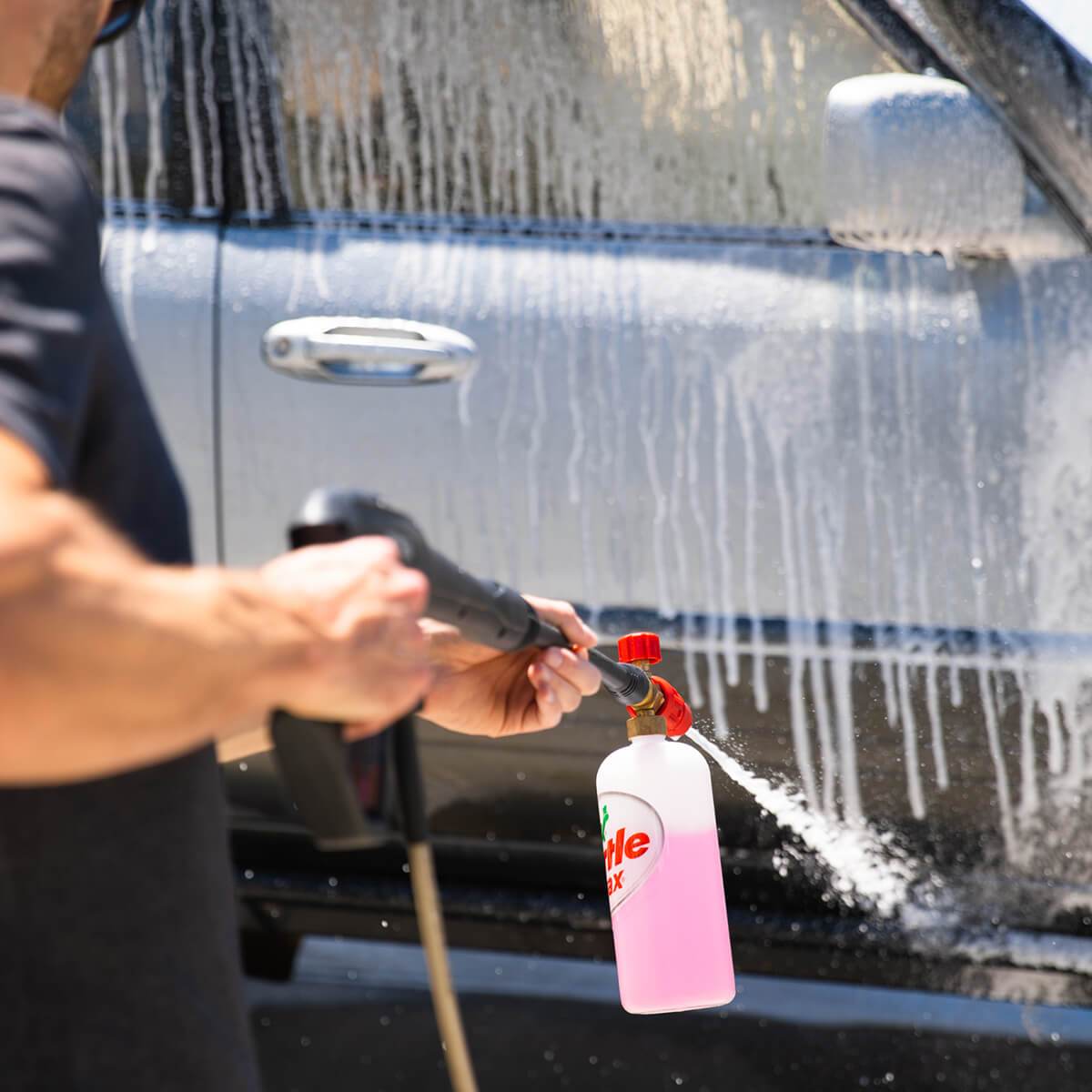
Next, apply car detergent using the foam cannon or soap nozzle. Use a soap made for cars to avoid damage. Spray evenly over the entire vehicle. Let the detergent sit for 3 to 5 minutes. Do not let it dry on the car’s surface. This step helps break down tough grime.
Thorough Rinsing Techniques
Rinse off all detergent with clean water. Keep the nozzle moving to prevent streaks or water marks. Start from the top and work your way down. Make sure no soap remains on the car. Clean rinsing helps avoid residue and spots.
Drying Tips To Avoid Water Spots
Dry the car quickly after rinsing. Use a soft microfiber towel or chamois cloth. Pat the surface gently instead of rubbing hard. Dry in shade if possible to stop water spots. Proper drying keeps your car shiny and clean.
Advanced Tips For Best Results
Using a car pressure washer can save time and effort. To get the best results, some extra tips help a lot. These tips focus on common problem areas and keeping your tool in good shape. Follow these steps for a cleaner car and longer tool life.
Cleaning Wheels And Tires
Wheels and tires often have tough dirt and brake dust. Use a nozzle with medium pressure to avoid damage. Spray from a close distance but not too near. Move the spray in a circular motion to cover all areas. For extra grime, use a wheel cleaner before spraying. Rinse well to remove all soap and dirt.
Handling Stubborn Stains
Stubborn stains need more care. Apply a car-safe stain remover or soap first. Let it sit for a few minutes. Use the pressure washer with a wide spray to rinse gently. Avoid high pressure directly on paint to prevent damage. Repeat if stains remain, but do not scrub hard.
Maintaining Pressure Washer Performance
Keep the pressure washer working well with simple care. Check hoses and nozzles for clogs or leaks. Clean nozzles regularly to maintain spray power. Use fresh water and avoid dirty or salty water. Store the machine in a dry place. Regular maintenance extends the tool’s life and keeps cleaning strong.
Credit: activeproducts.com
Safety Precautions
Using a car pressure washer can make cleaning quick and easy. Safety is very important to protect your car and yourself. Follow these precautions to avoid damage and stay safe.
Avoiding Damage To Car Paint
Hold the washer nozzle at least 12 inches from the car surface. Use a low-pressure setting to prevent paint scratches. Do not spray the same spot for too long. Avoid using harsh chemicals that can strip the paint. Test on a small area first to check for any damage.
Protecting Yourself During Use
Wear safety goggles to protect your eyes from water spray. Use gloves to keep your hands safe and dry. Never point the nozzle at people, pets, or yourself. Stand on a stable surface to avoid slipping. Keep electrical parts away from water to prevent shocks.
Proper Storage After Use
Turn off and unplug the pressure washer before storing. Drain all water from the hose and machine to avoid damage. Store in a dry, cool place to prevent rust. Coil the hose carefully to stop kinks and cracks. Check the washer for any damage before the next use.
Frequently Asked Questions
What Pressure Setting Is Ideal For Car Washing?
Use a pressure setting between 1200 and 1900 PSI. This range cleans effectively without damaging paint or trim. Always test on a small area first to ensure safety.
Can I Use A Car Pressure Washer Indoors?
It’s not recommended to use a pressure washer indoors. Water spray can cause damage and create slip hazards. Use the washer in open, well-ventilated outdoor spaces only.
How Far Should The Nozzle Be From The Car?
Keep the nozzle at least 12 inches from the car surface. This distance prevents paint damage and ensures even cleaning. Adjust based on pressure and dirt level.
Should I Use Detergent With A Car Pressure Washer?
Yes, use car-specific detergent for better cleaning results. Apply detergent at low pressure, let it sit briefly, then rinse with high pressure. Avoid harsh chemicals that may harm paint.
Conclusion
Using a car pressure washer makes cleaning fast and easy. It helps remove dirt and grime quickly. Always follow safety tips to protect your car’s paint. Start with low pressure and move evenly. Rinse well to avoid streaks or spots.
Regular washing keeps your car looking fresh and shiny. Try to use the right detergent for best results. A clean car lasts longer and stays nice to drive. Keep your pressure washer in good shape for future use. Simple steps bring great results every time.


