
Your car’s exterior says a lot about you. A clean, shiny finish not only turns heads but also protects your vehicle from damage.
But how do you make your car look its absolute best without spending hours or money on professional services? This guide will show you exactly how to clean, detail, and wax your car’s exterior step-by-step. By the end, you’ll have the skills to make your car gleam like new and keep it that way for longer.
Ready to transform your ride? Let’s dive in.
Credit: austdg.com.au
Gathering Your Supplies
Before you start cleaning, detailing, and waxing your car’s exterior, gather all necessary supplies. Having everything ready saves time and keeps the process smooth. You will need tools for washing, products for waxing, and safety gear to protect yourself. Let’s explore the key supplies you need.
Essential Cleaning Tools
Start with the right cleaning tools. A soft sponge or microfiber mitt works best for washing. Use a bucket filled with clean water and car shampoo. Avoid household soaps as they can damage your paint. Have a hose or pressure washer ready for rinsing. Use a drying towel or chamois to avoid water spots. A wheel brush helps clean rims and tires. These tools ensure a thorough and safe wash.
Choosing The Right Wax
Pick wax suitable for your car’s paint. Paste wax offers long-lasting shine but takes more time. Liquid wax is easier to apply and removes quickly. Spray wax gives a quick shine but lasts shorter. Look for wax with UV protection to prevent fading. Choose a product that matches your skill level. Good wax protects your car and boosts its appearance.
Safety Equipment
Protect yourself during cleaning and waxing. Wear gloves to keep chemicals off your skin. Safety glasses prevent splashes from reaching your eyes. Work in a shaded area to avoid sunburn and product drying too fast. Use a mask if you have allergies or sensitivities to fumes. Safety gear keeps you comfortable and safe throughout the process.
Preparing Your Car
Preparing your car properly makes the cleaning, detailing, and waxing easier. It helps protect the paint and gives better results. Taking time to prepare ensures a smooth process and a shiny finish. Follow these steps to get ready before you start.
Finding A Suitable Location
Choose a shaded area to work on your car. Sunlight can dry soap and wax too fast. Avoid dusty or windy places that can dirty the car again. A flat surface prevents water from pooling on the paint. This keeps your work neat and effective.
Removing Loose Dirt And Debris
Use a soft brush or a leaf blower to clear loose dirt. This step stops scratches during washing and detailing. Avoid wiping the dry dirt with a cloth. It can cause swirl marks on the paint surface. Removing debris first protects the car’s finish.
Inspecting The Paint Surface
Look closely at the paint under good light. Check for scratches, chips, or faded spots. Identifying issues helps decide the cleaning and waxing steps. Use a microfiber cloth to gently wipe the surface. This reveals dirt or stains you might miss.
Washing Techniques
Washing your car is the first step in cleaning, detailing, and waxing its exterior. Proper washing removes dirt, dust, and grime safely. It prepares the surface for detailing and waxing. Using the right techniques protects your car’s paint and finish.
Follow simple steps to wash your car well. These steps keep your car looking fresh and shiny.
Selecting The Best Soap
Choose a soap made for cars, not household cleaners. Car soaps are gentle and protect paint. They do not strip wax or damage the surface. Avoid dish soap because it removes protective layers. Use soap that creates good suds to lift dirt easily.
Two-bucket Method
Use two buckets to wash your car. One bucket holds soapy water. The other has clean water for rinsing your sponge or mitt. Dip the sponge in the soapy water, wash a section, then rinse in the clean water. This stops dirt from scratching the paint. Repeat this process until you clean the whole car.
Cleaning Wheels And Tires
Wheels and tires need special attention. Use a separate brush and cleaner for wheels. Brake dust and grime can damage wheels if left too long. Clean tires with a stiff brush and soap. Rinse well to remove all dirt. Dry wheels and tires after washing to avoid water spots.
Drying Your Car
Drying your car is an important step after washing. It stops water spots and prepares the surface for waxing. Proper drying keeps your car looking shiny and clean. Using the right tools and techniques saves time and effort. Follow these tips to dry your car safely and effectively.
Using Microfiber Towels
Microfiber towels are soft and absorbent. They soak up water without scratching the paint. Use a clean towel and gently pat the surface. Avoid rubbing hard as it can cause swirl marks. Work in sections to dry the whole car evenly. Change towels if they become too wet.
Avoiding Water Spots
Water spots happen when minerals in water dry on the paint. Dry your car quickly after washing to stop spots. Use a spray detailer or quick detail spray to help. Dry in the shade or during cooler parts of the day. This keeps water from drying too fast and leaving marks.
Claying For Deep Cleaning
Claying your car’s exterior helps remove dirt that washing cannot clean. It gets rid of tiny particles stuck on the paint. This step makes your car’s surface smooth and ready for waxing. Claying improves shine and protects the paint from damage.
When To Use A Clay Bar
Use a clay bar if the paint feels rough after washing. It means there are still contaminants on the surface. You may see small black or brown spots on the clay after use. These spots show the dirt removed from the paint. Claying is good before applying wax or polish.
Proper Clay Bar Technique
Start with a clean, wet surface. Spray a clay lubricant on a small area. Gently rub the clay bar back and forth over the surface. Do not press too hard to avoid scratching. Fold the clay often to expose a clean side. Work section by section until the whole car is smooth.
Credit: austdg.com.au
Polishing The Paint
Polishing the paint is a key step in cleaning and waxing your car’s exterior. It improves the shine and removes small flaws on the surface. Polishing makes the paint smooth and ready for wax protection. This step brings out the car’s true color and gives it a fresh look.
Choosing Between Hand And Machine Polishing
Hand polishing is gentle and easy to control. It works well for small areas and light imperfections. You only need a soft cloth and polish compound. Hand polishing takes more time but reduces the risk of damage.
Machine polishing uses a rotary or dual-action polisher. It removes scratches faster and covers large areas quickly. Machines need practice to avoid burning the paint. Choose a machine if your car has many scratches or dull spots.
Removing Swirls And Scratches
Swirls and scratches make the paint look old and dull. Polishing removes these marks by smoothing the paint surface. Use a polish with fine abrasives for light swirls. For deeper scratches, use a compound with stronger abrasives first.
Work in small sections and apply polish evenly. Use circular motions and light pressure. Check your progress often and stop when the paint looks smooth. After polishing, wipe the area clean before moving on.
Applying Wax
Applying wax is a key step in protecting your car’s paint and giving it a deep shine. Wax forms a barrier against dirt, water, and harmful UV rays. It also makes washing easier and keeps your car looking fresh longer.
Taking time to apply wax properly can greatly improve your car’s appearance. The process is simple but needs patience and the right technique.
Types Of Car Wax
Car wax comes in many forms. Paste wax is thick and offers long-lasting protection. Liquid wax is easy to apply and good for quick jobs. Spray wax is the fastest but may not last as long. Choose a wax that fits your schedule and needs.
Step-by-step Wax Application
Start with a clean, dry car. Apply a small amount of wax to a foam applicator pad. Work in small sections using circular motions. Spread the wax evenly without using too much. Let the wax dry to a haze, usually a few minutes. Avoid direct sunlight and hot surfaces.
Buffing For A Shine
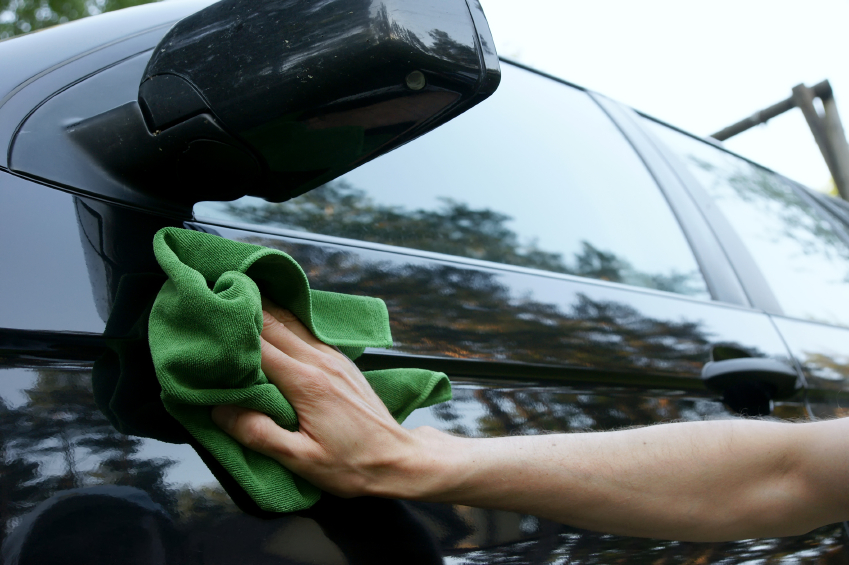
Use a clean microfiber cloth to buff the wax. Rub gently in circular motions to remove residue. Buffing brings out the shine and smooth finish. Check for missed spots and buff again if needed. The final result is a smooth, glossy surface that protects your paint.
Credit: www.wet-inc.com
Protecting And Maintaining
Protecting and maintaining your car’s exterior keeps it looking fresh and new for longer. Regular care stops dirt and damage from building up. This section explains easy steps to keep your car shiny and safe after cleaning and waxing.
Regular Washing Schedule
Wash your car every two weeks to remove dirt and grime. Use gentle car shampoo and soft cloths to avoid scratches. Rinse thoroughly to stop soap spots. Dry with a clean microfiber towel for a smooth finish.
Touch-up Tips
Fix small scratches quickly to stop rust. Use touch-up paint that matches your car’s color. Apply it carefully with a thin brush. Let it dry fully before waxing. This keeps your car’s paint strong and beautiful.
Storing Your Supplies
Keep your cleaning tools in a dry, cool place. Store wax and polish in sealed containers to keep them fresh. Organize brushes, towels, and sponges so you can find them easily. Proper storage helps your supplies last longer and work better.
Frequently Asked Questions
How Often Should I Wash My Car’s Exterior?
Washing your car every two weeks helps remove dirt and prevent paint damage. Frequent cleaning keeps the surface smooth and shiny.
What Is The Best Method To Detail A Car Exterior?
Use a gentle car soap, microfiber cloths, and soft brushes. Clean in sections and avoid harsh chemicals to protect the paint.
How Do I Apply Wax For A Long-lasting Shine?
Apply wax in thin, even layers using a foam applicator. Let it haze, then buff with a clean microfiber cloth for a glossy finish.
Can Detailing Remove Minor Scratches From My Car?
Detailing can reduce the appearance of light scratches using polishing compounds. Deep scratches may require professional repair for complete removal.
Conclusion
Cleaning, detailing, and waxing your car keeps it looking fresh and new. Regular care protects the paint and prevents damage. Use gentle products and soft cloths for best results. Take your time to avoid scratches and spots. A clean, shiny car also feels great to drive.
Try to do this every few months for lasting shine. Your car will thank you with a smooth, bright finish. Simple steps, big difference. Enjoy the pride of a well-kept ride.

