

Have you ever wondered if your car has ABS brakes? Knowing this can make a big difference in how you drive and stay safe on the road.
ABS, or Anti-lock Braking System, helps prevent your wheels from locking up during sudden stops. But how can you be sure your car is equipped with this important feature? You’ll discover simple ways to check if your vehicle has ABS brakes.
By the end, you’ll feel more confident behind the wheel and better prepared to handle unexpected stops. Keep reading to find out exactly what to look for!

Credit: www.youtube.com
What Abs Brakes Do
ABS brakes help keep your car safe during hard stops. They stop the wheels from locking up. Locked wheels can cause your car to skid and lose control.
ABS works by quickly pulsing the brakes many times per second. This lets your tires keep grip on the road. It helps you steer while braking hard.
Preventing Wheel Lock-up
ABS prevents the wheels from stopping completely. It senses when a wheel is about to lock. Then, it reduces brake pressure just enough to keep the wheel turning.
Maintaining Steering Control
With ABS, you can still turn the wheel during heavy braking. This helps you avoid obstacles and stay on the road. Without ABS, locked wheels make steering impossible.
Reducing Skidding Risk
Skidding happens when tires slide over the road without grip. ABS stops this by keeping tires rolling. This lowers the chance of sliding on wet or icy roads.
Shortening Stopping Distance
ABS often helps reduce the distance needed to stop. It does this by keeping the tires gripping the road better. This is especially true on slippery surfaces.
Credit: blog.amsoil.com
Check The Dashboard Lights
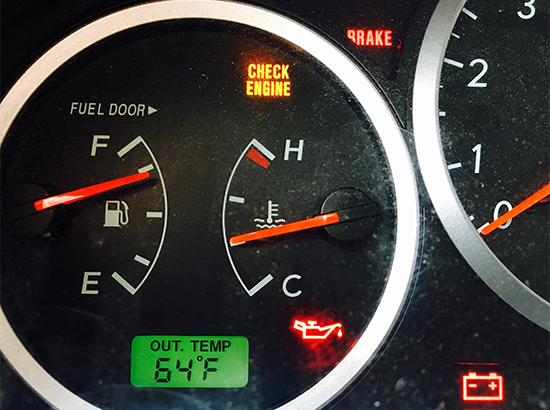
Checking the dashboard lights is a quick way to know if your car has ABS brakes. The dashboard shows important signals about your car’s systems. One of these signals is the ABS warning light. This light tells you if the ABS system is active or has a problem.
When you start your car, watch the dashboard carefully. The ABS light will turn on for a few seconds. This is normal and means the system is testing itself. If the light stays on or comes on while driving, it could mean a fault in the ABS system.
Abs Warning Light Meaning
The ABS warning light looks like a circle with “ABS” written inside. It may have lines around it, showing a brake symbol. This light means your car has ABS brakes. If the light stays on, the ABS system may not work properly. Your regular brakes will still work, but the ABS may not help during hard stops.
When The Light Appears
The ABS light appears for a few seconds when you start the car. This is normal. If it turns off after a few seconds, the system is fine. The light appears again if the ABS system finds a problem. It can come on while driving or stay on after you start the engine. This means you should have the system checked soon.
Look For Abs Labeling
Finding out if your car has ABS brakes can be simple. One easy way is to check for ABS labeling on your vehicle. Car makers often place clear marks to show if the car includes this safety feature.
These labels help you spot ABS brakes without opening the hood or checking complex parts. They are in places you can easily see or find with little effort. Here are two common spots to check for these labels.
Owner’s Manual
The owner’s manual is the best place to find detailed information about your car. It usually has a section about the braking system. Look for words like “ABS” or “anti-lock brakes” in the safety or features chapter.
This manual explains if your car has ABS and how it works. It may also show pictures or symbols related to ABS. Keep the manual handy for quick reference anytime you need to check.
Car Door Or Frame Stickers
Check the inside edge of your car door or the frame near the driver’s seat. Many cars have stickers here with important info about the vehicle. Some include details about the braking system.
Look carefully for “ABS” or similar wording on these stickers. They might be small but clear. Finding this label confirms your car has ABS brakes without any guesswork.
Inspect The Brake Pedal Feel
Checking the feel of the brake pedal is a simple way to tell if your car has ABS brakes. The brake pedal gives important clues about the braking system. Notice how it reacts when you press it. This helps you understand if ABS is working in your car.
Pulsation During Braking
When you brake hard, the pedal might vibrate or pulsate. This pulsation is a sign of ABS. It happens because the ABS system rapidly applies and releases the brakes. This stops the wheels from locking up and helps keep control of the car. If you feel a pulsing pedal, it usually means your car has ABS brakes.
Normal Vs Abs Pedal Response
A normal brake pedal feels steady and smooth as you press it. It does not shake or pulse. Without ABS, the pedal can go hard and stay hard if the wheels lock during braking. With ABS, you feel a pulsing or vibrating pedal under strong braking. This is the ABS system working to keep your car safe.
Listen For Abs Sounds
Listening for ABS sounds is a simple way to check if your car has ABS brakes. These sounds come from the system working during braking. They help stop your car safely by preventing wheel lock-up.
Pay close attention to noises when you press the brake pedal. These sounds are different from usual brake noises. Knowing what to listen for can tell you a lot about your car’s braking system.
Clicking Noise While Braking
You might hear a rapid clicking sound when braking hard. This noise comes from the ABS pump and valves. It is normal and means the system is active. The clicking helps control brake pressure to each wheel.
It is not a sign of damage or problem. Instead, it shows the ABS is doing its job well. The sound can be steady or fast, depending on road conditions.
When Sounds Occur
ABS sounds usually happen during sudden stops or on slippery roads. The system kicks in only when the wheels start to lock. You may not hear anything during normal, gentle braking.
Listen carefully on wet, icy, or gravel surfaces. The clicking means ABS is helping you keep control. If you never hear these noises, your car might not have ABS brakes.
Test Abs Function Safely
Testing your car’s ABS (Anti-lock Braking System) function is important for safety. ABS helps prevent the wheels from locking during hard braking. Knowing how to test it safely ensures you stay protected on the road. Always perform tests in a controlled and safe way. This prevents accidents and damage to your vehicle.
Controlled Emergency Stop
Find a quiet, empty space like an empty parking lot. Accelerate to a moderate speed, around 20-30 mph. Then, brake hard but controlled. You should feel a pulsing sensation in the brake pedal. This shows the ABS is working. The car should stop without skidding or sliding.
Safe Testing Conditions
Choose a dry, flat surface with no traffic nearby. Avoid testing on wet or icy roads. Make sure the area is clear of people and obstacles. Use daytime for better visibility. Wear your seatbelt and keep both hands on the wheel. Safety first during any brake test.
Consult A Mechanic Or Dealer
Consulting a mechanic or dealer is a smart step to know if your car has ABS brakes. Experts have the knowledge and tools to check your braking system. They can give clear answers and ensure your car is safe to drive.
Professional Inspection
A mechanic can inspect your car’s brake system closely. They look for parts that show the presence of ABS, like sensors and control modules. This hands-on check reveals details not visible to most drivers. It helps confirm if ABS is installed and working properly.
Using Diagnostic Tools
Dealers and mechanics use special diagnostic tools to scan your vehicle’s computer. These tools read the car’s data and identify if ABS is active. The scan detects any ABS error codes or warnings. This method provides a quick and accurate way to verify ABS brakes.

Credit: oilchangers.com
Frequently Asked Questions
How To Identify If My Car Has Abs Brakes?
Check your dashboard for an ABS warning light when you start the car. Look for the ABS label on the brake system or in the owner’s manual. Vehicles made after the 1990s usually have ABS as a standard feature.
What Does The Abs Warning Light Mean?
The ABS warning light indicates a problem with the anti-lock braking system. If it stays on, the ABS might be malfunctioning. Your car will still brake normally, but ABS safety features may not work properly.
Can I Test If My Car Has Abs Brakes?
Yes, gently apply the brakes hard on a slippery surface. If you feel a pulsating or vibrating brake pedal, your car likely has ABS. This sensation happens as ABS prevents the wheels from locking up.
Is Abs Important For Car Safety?
Yes, ABS helps prevent wheel lock-up during emergency braking. This improves steering control and reduces stopping distances. It significantly increases safety on wet or slippery roads.
Conclusion
Knowing if your car has ABS brakes helps you drive safer. Check your dashboard for the ABS light when you start the car. Listen for a buzzing sound during hard braking; that’s a sign of ABS. Look under the car for wheel speed sensors near the brakes.
Understanding this system can prevent accidents by stopping wheels from locking. Stay aware and keep your car’s safety features in good shape. Drive carefully and know your car’s equipment well. This small knowledge makes a big difference on the road.


