

Your car’s fuel filter plays a small but crucial role in keeping your engine running smoothly. If it gets clogged, your car might start to lose power or even stall unexpectedly.
But don’t worry—you don’t have to be a mechanic to clean it yourself. In this guide, you’ll learn simple, step-by-step tips to clean your fuel filter safely and effectively. By the end, you’ll save money and avoid costly repairs while giving your car the care it deserves.
Ready to get started? Let’s dive in!
Credit: www.ievilenergy.com
Signs Of A Dirty Fuel Filter
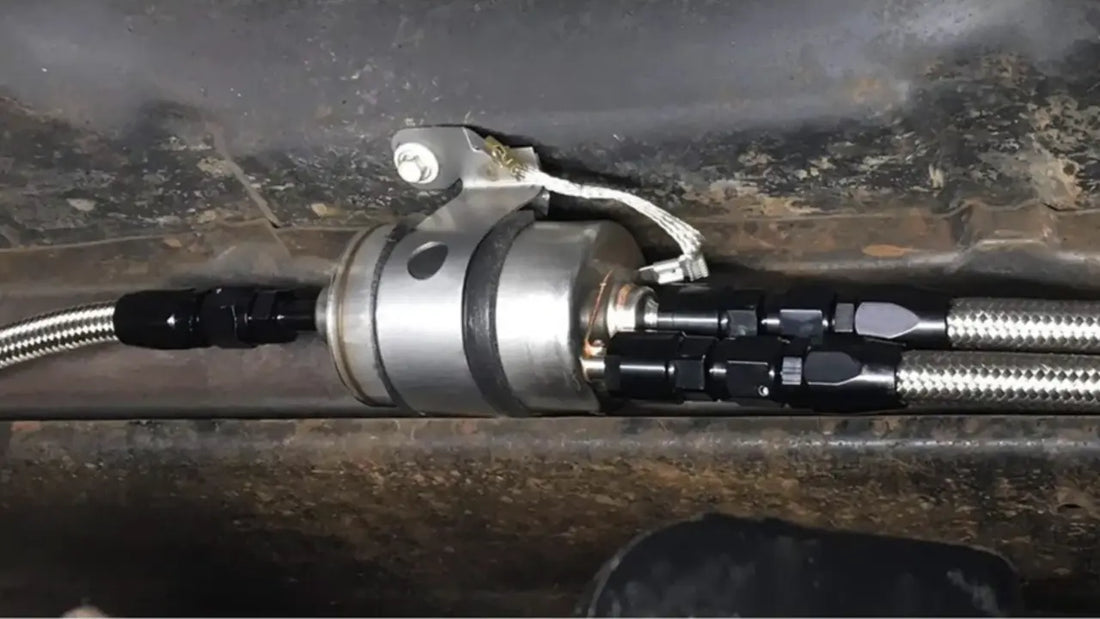
A fuel filter stops dirt and debris from entering the engine. Over time, the filter gets clogged. A dirty fuel filter can cause several problems in your car. Watch for these signs to know if your fuel filter needs cleaning or replacement.
Reduced Engine Power
A clogged fuel filter limits fuel flow to the engine. The engine may feel weak and slow. You might notice poor acceleration on hills or during passing. The car may struggle to reach higher speeds.
Engine Misfires
Dirty fuel filters cause uneven fuel supply. The engine might misfire or hesitate. You may hear popping sounds or see the check engine light. This happens because the engine doesn’t get the right fuel amount.
Poor Fuel Efficiency
A blocked fuel filter makes the engine work harder. The car uses more fuel than usual. You may fill the tank more often than before. This reduces your car’s fuel economy significantly.
Credit: www.howacarworks.com
Tools And Materials Needed
Cleaning a fuel filter requires specific tools and materials. Having the right items makes the job easier and safer. Prepare everything before starting to avoid interruptions.
Basic Tools
You need a wrench set to remove the fuel filter. A screwdriver helps with clamps or covers. A container catches any spilled fuel. Clean rags are useful for wiping spills and dirt. A small brush can clean parts gently.
Safety Gear
Wear gloves to protect your hands from fuel. Safety glasses shield your eyes from splashes. Work in a well-ventilated area to avoid inhaling fumes. Keep a fire extinguisher nearby for emergencies.
Replacement Parts
Have a new fuel filter ready. Make sure it matches your car’s model. New clamps may be needed if the old ones are worn. Use fresh fuel to refill after cleaning.
Preparing Your Car For Cleaning
Before you start cleaning the fuel filter, prepare your car properly. This step helps avoid accidents and makes the job easier. Taking time here saves effort later.
Follow these key steps to get your car ready for cleaning the fuel filter.
Ensure Safety Measures
Work in a well-ventilated area to avoid harmful fumes. Keep a fire extinguisher nearby. Wear gloves and safety glasses to protect your skin and eyes. Turn off the engine and remove the key. Let the car cool down before touching any parts.
Locate The Fuel Filter
Find the fuel filter in your car before starting. Check your owner’s manual for its exact location. Most fuel filters sit along the fuel line, near the engine or under the car. Knowing where it is saves time and prevents mistakes.
Relieve Fuel System Pressure
Fuel systems hold pressure that can spray fuel when opened. To avoid this, relieve the fuel pressure first. Locate the fuel pump fuse or relay and remove it. Start the engine and let it run until it stops. This step reduces pressure and keeps you safe.
Step-by-step Cleaning Process
Cleaning your car’s fuel filter keeps the engine running smoothly. Follow this step-by-step process to clean the fuel filter safely and effectively. Each step ensures your car gets the clean fuel it needs for better performance.
Remove The Fuel Filter
Start by turning off the engine and letting it cool. Locate the fuel filter, usually near the fuel tank or engine. Use a wrench to disconnect the fuel lines carefully. Catch any spilled fuel with a container. Remove the filter from its holder gently.
Inspect The Filter Condition
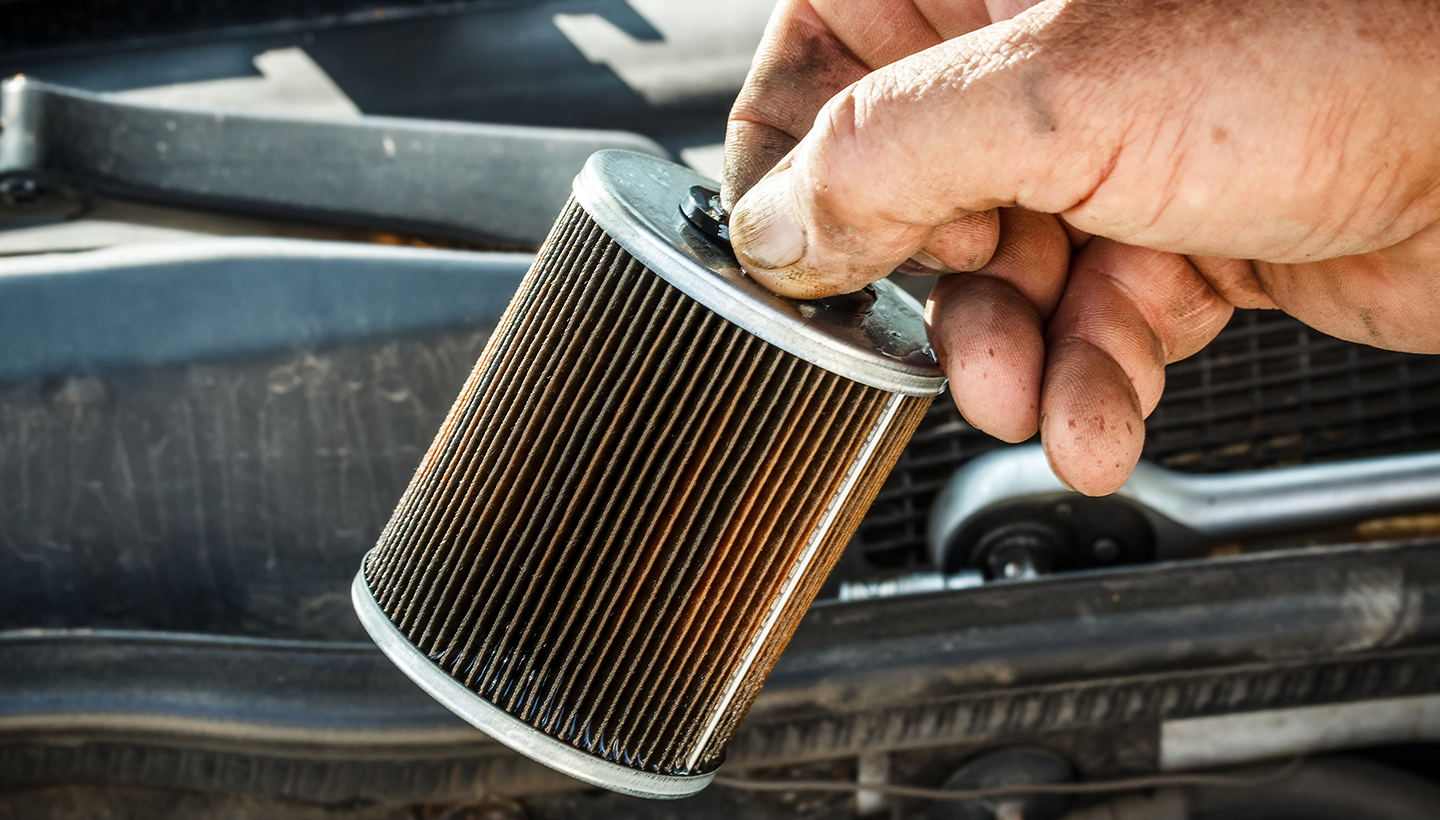
Look closely at the filter for dirt or damage. Check if the filter is clogged with debris or rust. A clean filter looks clear or slightly tinted. Replace the filter if you see cracks or heavy dirt.
Clean Or Replace The Filter
Some filters can be cleaned by rinsing with a solvent. Use a fuel-safe cleaner to flush out dirt. Let the filter dry completely before reinstalling. Replace the filter if it is not clean or damaged. Always use a filter that fits your car model.
Reinstall The Fuel Filter
Put the filter back in its original place. Reconnect the fuel lines securely to avoid leaks. Tighten any clamps or bolts firmly. Check for leaks by running the engine briefly. Stop immediately if you smell fuel or see leaks.
Post-cleaning Checks
After cleaning the fuel filter, some checks are important to ensure everything works well. These steps help confirm the fuel system is safe and the engine runs smoothly. Take your time with these checks to avoid future problems.
Check For Fuel Leaks
Look closely around the fuel filter area. Make sure no fuel is dripping or pooling. Fuel leaks can cause bad smells or even fire risks. Tighten any loose connections if needed. Use a clean cloth to wipe away any spilled fuel. Safety first.
Test Drive The Vehicle
Start the car and drive it for a short distance. Pay attention to how the engine feels. The car should run without stalling or hesitation. If the engine runs rough, stop and check the fuel filter again. A smooth test drive means the cleaning was successful.
Monitor Engine Performance
Watch how the engine performs over the next few days. Notice if the car starts easily each time. Listen for any unusual sounds or smells. Fuel efficiency should improve after cleaning. If problems return, the fuel filter might need replacement.
Maintenance Tips For Fuel Filter
Keeping your car’s fuel filter clean is key to smooth engine performance. Dirt and debris can block the filter, causing poor fuel flow. Regular maintenance helps avoid costly repairs and keeps your car running well. Here are important tips for fuel filter care.
Recommended Cleaning Intervals
Check your car manual for specific cleaning times. Most cars need a fuel filter check every 20,000 to 30,000 miles. Cleaning too often wastes time and money. Waiting too long can cause engine problems. Set reminders to stay on track.
Signs To Replace Instead Of Clean
Some filters cannot be cleaned and must be replaced. Look for rough engine idle, poor acceleration, or engine stalling. Fuel leaks or visible damage also mean replacement is needed. Do not try to clean filters that are clogged or broken.
Using Quality Fuel
Low-quality fuel clogs filters faster. Always choose fuel from trusted stations. High-quality fuel burns cleaner and protects your filter. Avoid filling up at unknown or dirty stations. Clean fuel means a cleaner filter and better engine health.
Credit: wuling.id
Frequently Asked Questions
How Often Should I Clean My Car’s Fuel Filter?
You should clean your fuel filter every 20,000 to 30,000 miles. Regular cleaning prevents clogging and maintains optimal engine performance. Check your car manual for specific recommendations.
What Tools Do I Need To Clean A Fuel Filter?
You need a wrench, screwdrivers, gloves, and a clean container. Also, have replacement fuel filters ready if cleaning is not effective. Safety goggles are recommended for protection.
Can I Clean A Fuel Filter Without Removing It?
Yes, some filters allow cleaning without removal using a cleaning spray. However, removing the filter ensures thorough cleaning and inspection. Always follow your car’s manual instructions.
What Are Signs Of A Clogged Fuel Filter?
Signs include engine misfires, poor acceleration, and difficulty starting. Reduced fuel efficiency and unusual engine noises also indicate a clogged filter. Regular checks help avoid these issues.
Conclusion
Cleaning your car’s fuel filter keeps the engine running smoothly. It helps avoid costly repairs and improves fuel efficiency. Regular checks prevent dirt and debris build-up. Use the right tools and follow safety steps carefully. Taking time to clean the filter saves money and hassle later.
Small maintenance tasks like this make a big difference. Keep your car healthy and enjoy better performance on the road. Simple care goes a long way.

