
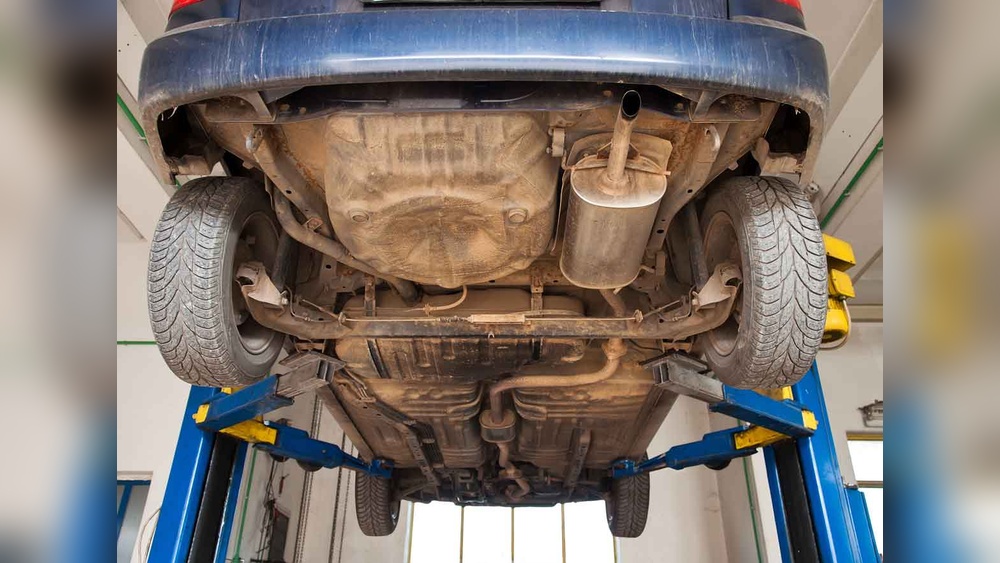
Have you ever thought about what’s hiding under your car? The undercarriage is one of the most overlooked parts of your vehicle, but it plays a huge role in keeping your car safe and running smoothly.
Dirt, mud, salt, and grime can build up down there, causing rust and damage that could cost you big in repairs. Cleaning your car’s undercarriage might sound tricky, but with the right steps, you can protect your investment and extend your car’s life.
Keep reading, and you’ll learn simple, effective ways to get this important job done right.
Tools And Materials Needed
Cleaning the undercarriage of a car requires the right tools and materials. Using proper supplies makes the job easier and safer. This section covers what you need before starting.
Essential Cleaning Supplies
A strong hose or pressure washer helps remove dirt fast. Use a car-safe degreaser to break down grease and grime. A stiff brush cleans stuck-on mud. Microfiber cloths help wipe spots after washing. Have a bucket for water and soap ready.
Protective Gear
Wear gloves to protect your hands from chemicals and dirt. Safety goggles keep your eyes safe from splashes. Old clothes or a coverall stop your clothes from getting dirty. Use a mask if you handle strong cleaning agents.
Optional Equipment
A creeper lets you slide under the car easily. Jack stands can lift the car for better access. A flashlight or work light helps see dark areas. A spray nozzle with adjustable pressure works well for tight spots.
Credit: rocketcarwash.com
Preparing Your Car
Preparing your car before cleaning the undercarriage is important for a safe and thorough job. This step helps protect you and your vehicle. It also makes the cleaning easier and more effective. Follow these simple steps to get your car ready.
Choosing The Right Location
Select a flat, open space for cleaning. Avoid busy streets or uneven ground. A driveway or garage works well. Make sure the area has good lighting. Access to water is helpful for rinsing dirt.
Lifting The Vehicle Safely
Use a reliable jack to lift your car. Place it under strong points, like the frame or designated lift spots. Always use jack stands for extra support. Never rely on the jack alone. Check that the car is stable before starting work.
Removing Loose Debris
Clear away leaves, mud, and loose dirt from the undercarriage. Use a brush or your hands with gloves. This prevents scratching during washing. Removing debris also helps you spot any damage or rust early.
Cleaning Process
Cleaning the undercarriage of a car is important for vehicle health. Dirt, salt, and grime build up over time. This can cause rust and damage parts. A proper cleaning process keeps the undercarriage in good shape. It also helps your car last longer.
Rinsing The Undercarriage
Start by rinsing the undercarriage with water. Use a hose or bucket to remove loose dirt. This step prevents scratching the surface later. Focus on all areas under the car. Make sure to rinse thoroughly for best results.
Applying Degreaser
Next, apply a degreaser to the dirty areas. Degreaser breaks down grease and tough stains. Spray or pour the product evenly across the undercarriage. Let it sit for a few minutes. This helps loosen the grime for easier cleaning.
Scrubbing Stubborn Dirt
Use a brush to scrub stubborn dirt and grease. A stiff-bristled brush works well for this job. Scrub gently to avoid damaging parts. Pay extra attention to heavily soiled spots. This step removes dirt that rinsing missed.
Using A Pressure Washer
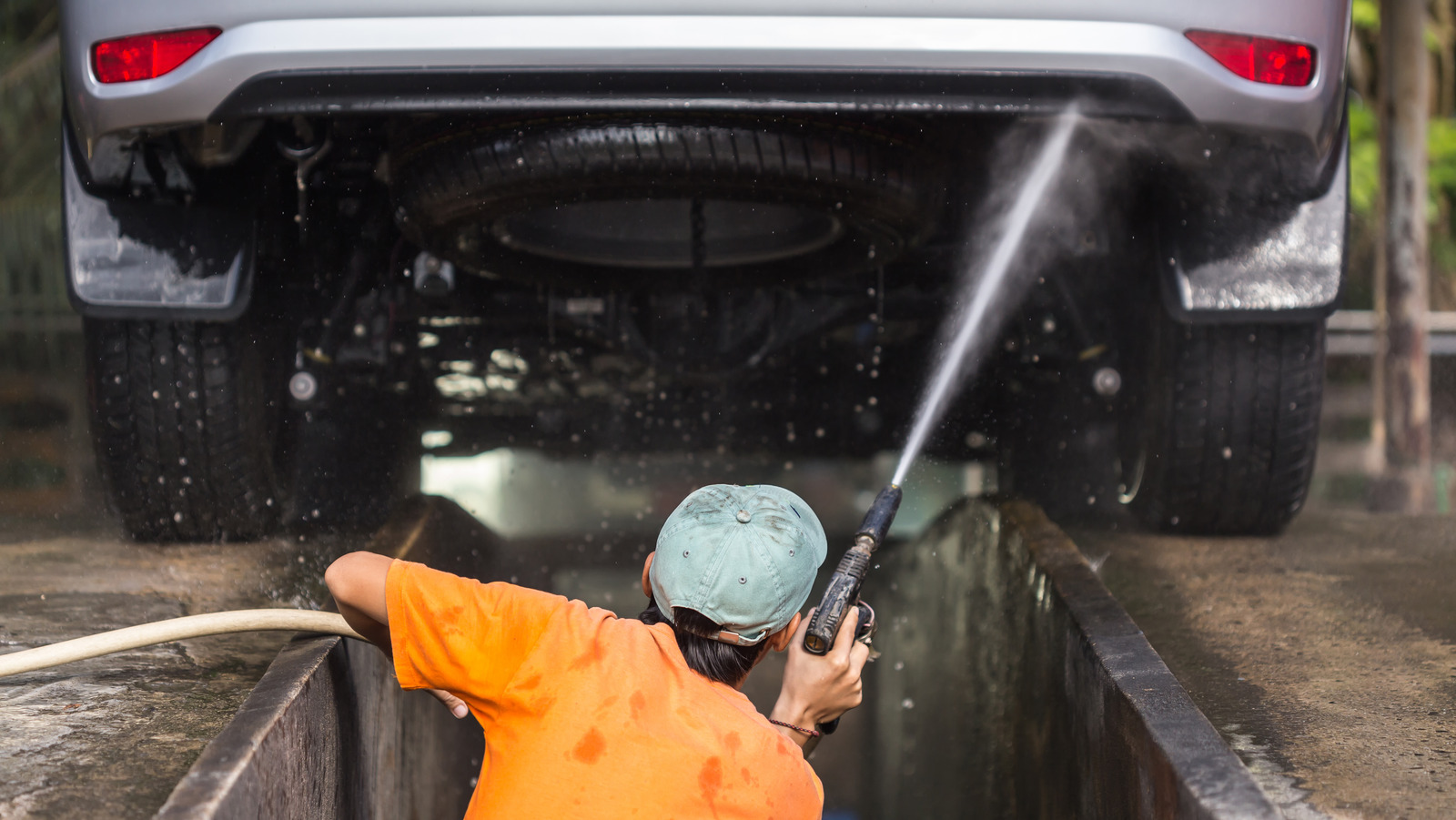
Finally, use a pressure washer to rinse off all residue. The strong water flow cleans hard-to-reach places. Keep the nozzle at a safe distance to protect the car. Move the washer slowly across the undercarriage. This leaves your car clean and fresh.

Credit: www.youtube.com
Drying And Inspection
After cleaning the undercarriage of your car, drying and inspection are important steps. Proper drying prevents rust and damage. Careful inspection helps find problems early. This keeps your car safe and working well.
Air Drying Techniques
Let the undercarriage dry naturally in a well-ventilated area. Avoid parking on wet or muddy surfaces. Use compressed air or a leaf blower to remove water from hard-to-reach spots. This speeds up drying and stops moisture buildup. Drying thoroughly reduces rust risk.
Checking For Damage Or Rust
Look closely at the undercarriage for cracks, dents, or loose parts. Check metal areas for any signs of rust or corrosion. Use a flashlight to see dark corners clearly. Early damage detection helps prevent costly repairs. Fix small issues before they grow bigger.
Protecting The Undercarriage
Protecting the undercarriage of a car is key to keeping it safe from damage. Dirt, salt, and water can cause rust and wear over time. Taking steps to protect this area helps extend the life of your vehicle. Simple treatments can block moisture and dirt. These keep parts strong and prevent costly repairs later.
Applying Rust Inhibitor
Rust inhibitors stop rust before it starts. Apply the inhibitor after cleaning the undercarriage. Use a spray or brush to cover all metal surfaces. Focus on joints and seams where rust forms fast. Let it dry completely. Repeat the process every few months for best results. Rust inhibitors create a barrier against water and salt.
Using Undercarriage Coating
Undercarriage coatings protect against impact and corrosion. These thick layers shield metal from stones and debris. Apply the coating with a spray gun or brush. Make sure the undercarriage is dry and clean first. The coating also reduces noise from the road. Reapply the coating every year to keep strong protection.
Credit: www.slashgear.com
Maintenance Tips
Maintaining your car’s undercarriage is key to keeping it in good shape. Dirt, salt, and grime build up over time and can cause rust. Regular care helps protect parts and extends your vehicle’s life. Follow simple steps to keep the undercarriage clean and damage-free.
Regular Cleaning Schedule
Clean the undercarriage every few weeks. More often if you drive on muddy or salty roads. Use a hose or pressure washer to remove dirt. Pay close attention after winter months. Regular cleaning stops rust and keeps parts working well.
Seasonal Considerations
Winter needs extra care due to salt on roads. Salt speeds up rust and corrosion. Rinse the undercarriage after every snow or rain. Summer brings dust and dirt buildup. Clean often to avoid grime hardening on parts. Adjust cleaning based on weather and road conditions.
Avoiding Common Mistakes
Don’t skip cleaning under the car’s edges and corners. Use the right tools, like a brush or nozzle, to reach tight spots. Avoid harsh chemicals that can damage parts. Never clean the undercarriage with hot water. It may harm seals and cause leaks. Gentle, regular cleaning works best.
Frequently Asked Questions
How Often Should I Clean My Car’s Undercarriage?
Cleaning the undercarriage every 3 to 6 months is ideal. Frequent cleaning prevents rust and removes dirt, salt, and debris. If you drive in snowy or salty conditions, clean it more often to protect metal parts.
What Tools Do I Need To Clean The Undercarriage?
You need a high-pressure hose, car jack or ramps, wheel brush, and degreaser. Protective gloves and safety glasses help during cleaning. These tools help reach and remove dirt from hard-to-access areas under the car.
Can I Use A Regular Car Wash For Undercarriage Cleaning?
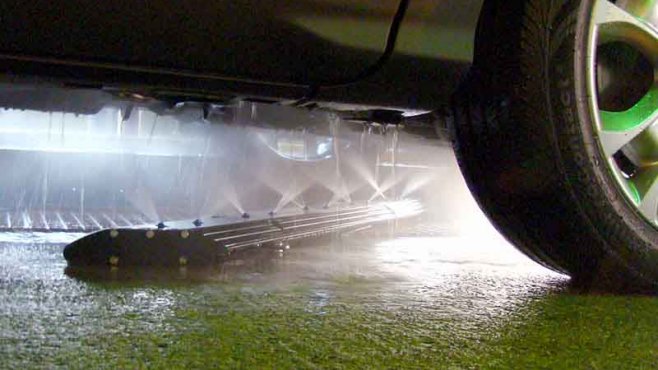
Most regular car washes don’t clean the undercarriage thoroughly. Use a specialized undercarriage wash or clean it manually for better results. This prevents corrosion and removes hidden grime that affects vehicle performance.
Is It Safe To Clean The Undercarriage At Home?
Yes, cleaning at home is safe with proper precautions. Use ramps or a jack to elevate the car securely. Wear protective gear and avoid sensitive electrical parts during cleaning to prevent damage.
Conclusion
Cleaning your car’s undercarriage keeps it safe from rust and dirt. Regular washing stops damage before it starts. Use simple tools and take your time. Check for hidden spots where grime hides. Clean under your car often, especially after bad weather.
A clean undercarriage helps your car last longer. Stay safe and protect your vehicle with this easy habit. Small effort, big results. Keep your car running smoothly and looking great.


