

Have you ever parked under a tree only to find sticky sap stuck all over your car’s paint? It’s frustrating and can damage your vehicle’s finish if left untreated.
But don’t worry—you don’t need expensive products or a trip to the detailer to fix this. You’ll discover simple, effective ways to remove tree sap quickly and safely. Keep reading, and you’ll learn how to restore your car’s shine and protect it from future sap stains.
Your car deserves the best care, and you’re just a few steps away from making it look like new again.
Credit: www.youtube.com
Why Tree Sap Sticks To Cars
Tree sap is a sticky substance that oozes from trees. It protects trees from insects and disease. Sap is thick and resinous. It contains sugars, oils, and other compounds.
When sap lands on a car, it hardens quickly. It forms a tough, sticky layer. This layer clings tightly to the car’s paint. The texture of sap makes it hard to remove.
Heat from the sun makes sap even stickier. It softens and spreads on the car surface. Once dry, sap can damage the paint if left too long.
Sticky Nature Of Tree Sap
Sap is naturally sticky. It acts like glue. This helps protect the tree but causes problems for car owners. The sticky sap traps dirt and dust easily.
How Sap Reacts With Car Paint
Sap contains acids and oils. These can eat into the clear coat on cars. The longer sap stays, the harder it is to clean.
Environmental Factors That Increase Sap Stickiness
Warm weather softens sap. Sunlight makes it more liquid. Rain can wash away fresh sap but may spread dried sap around.
Why Removing Sap Quickly Matters
Fresh sap is easier to remove. Over time, it hardens and bonds with paint. Quick removal protects the car’s finish and shine.
Risks Of Leaving Sap On Paint
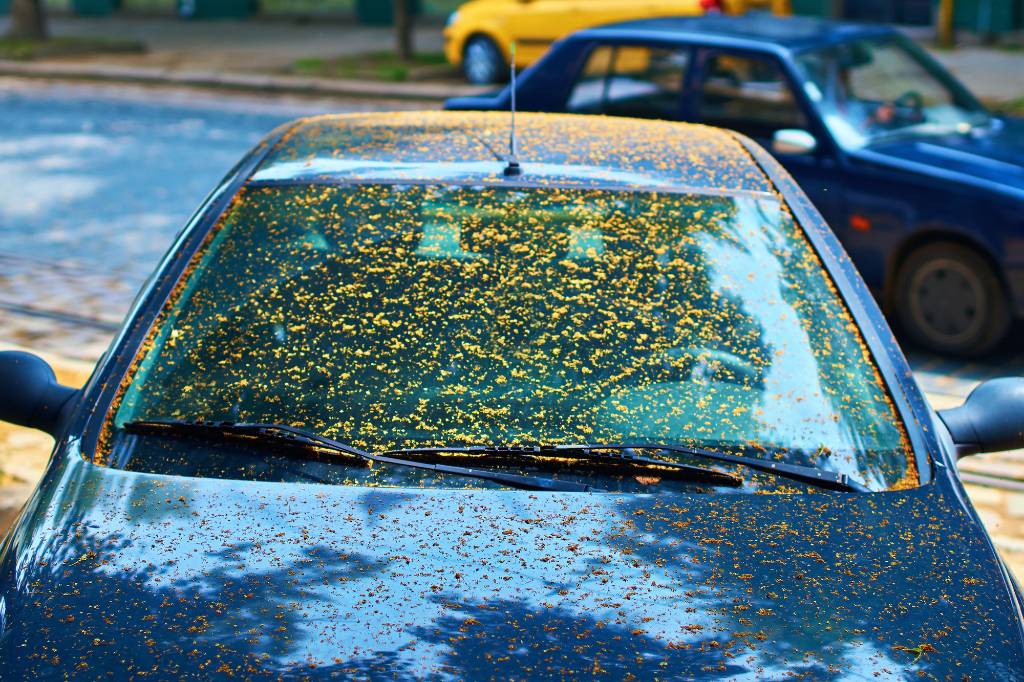
Tree sap on your car’s paint is not just ugly. It can cause real damage. Sap is sticky and hard. It traps dirt and dust. This can scratch your paint over time.
Left too long, sap can eat into the clear coat. This layer protects your car’s color. Once damaged, the paint can fade or peel. Repairing paint damage can be costly and time-consuming.
Sunlight and heat make sap harder to remove. It can turn dark and brittle. This makes cleaning harder and risks more scratches.
Paint Surface Damage
Sap contains acids and oils. These chemicals can harm your paint’s surface. The longer sap stays, the more it breaks down the paint. Small spots become bigger stains.
Increased Risk Of Scratches
Sap catches dust and grit. Wiping over sap can drag these particles. This causes scratches on your paint. Scratches ruin the smooth finish.
Discoloration And Staining
Sap can leave dark stains on paint. These stains may not come off easily. This affects your car’s look and value. Faded spots stand out on shiny paint.
Costly Repairs
Damaged paint needs fixing fast. Repairing or repainting costs money and time. Avoid these by removing sap quickly. Your car stays beautiful and protected.
Quick Tools For Sap Removal
Tree sap can stick firmly to your car’s surface. Removing it quickly helps prevent damage to the paint. Using the right tools saves time and effort. Here are some easy tools to keep handy for sap removal.
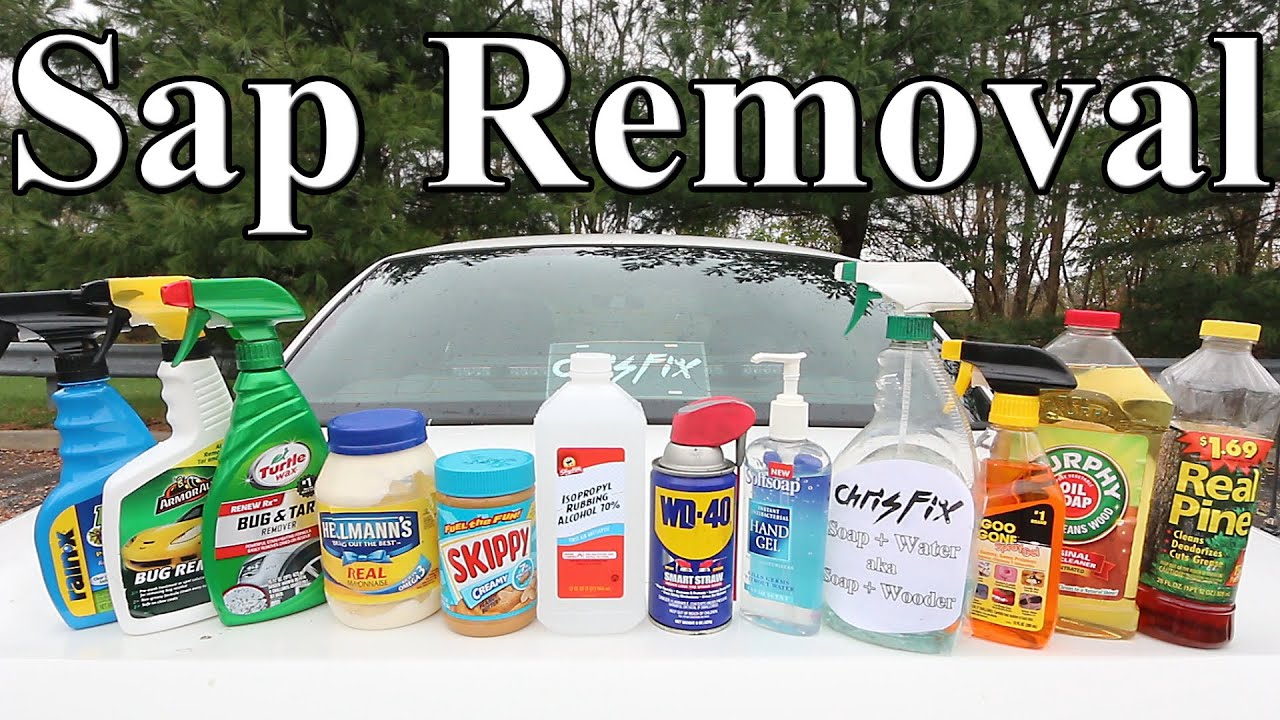
Isopropyl Alcohol
Isopropyl alcohol breaks down sap without harming paint. Dab a cloth with alcohol and gently rub the sap spot. This tool works fast and is easy to find in stores.
Plastic Scraper
A plastic scraper helps lift sap without scratching the car. Use it carefully to avoid paint damage. It works best after softening the sap with alcohol or warm water.
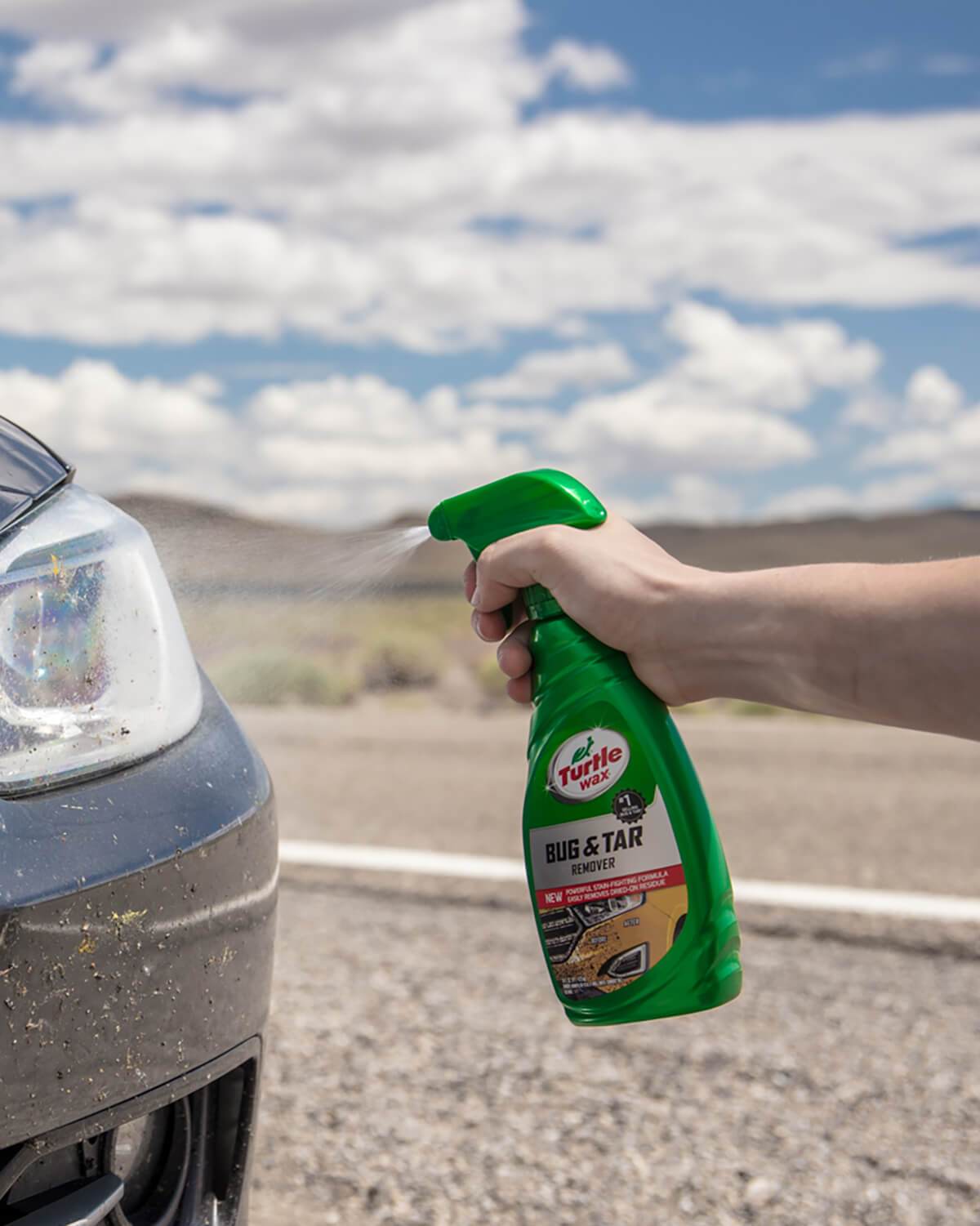
Bug And Tar Remover
Bug and tar removers are made for sticky substances on cars. Spray on the sap and let it sit for a few minutes. Wipe off with a clean cloth for quick removal.
Warm Soapy Water
Warm soapy water softens sap for easier removal. Use a sponge soaked in soapy water to rub the sap gently. This method is mild and safe for all car paints.
Microfiber Cloth
Microfiber cloths clean sap without scratching paint. Use it to wipe off sap after applying a remover. It absorbs residue and leaves the surface smooth and clean.
Credit: www.turtlewax.com
Safe Homemade Remedies
Tree sap can be sticky and tough to remove from your car. Many store products use harsh chemicals that might harm your paint. Safe homemade remedies offer gentle, effective ways to clean sap without damage. These methods use common household items that work well and cost little.
Using safe homemade remedies protects your car’s finish. It also avoids exposing you to strong chemicals. These simple techniques can save time and keep your car looking clean.
Using Rubbing Alcohol To Remove Sap
Rubbing alcohol dissolves tree sap easily. Soak a soft cloth with rubbing alcohol. Gently rub the sap spot until it softens. Wipe away the sap with a clean cloth. Wash the area with soap and water after. Avoid rubbing hard to protect your paint.
Applying Baking Soda And Water Paste
Mix baking soda and water into a thick paste. Spread the paste on the sap spots. Let it sit for 10 minutes to loosen the sap. Use a soft cloth to rub the paste gently. Rinse with water and dry the car surface. This method is safe and mild on paint.
Using Vinegar To Loosen Tree Sap
White vinegar breaks down sticky sap effectively. Pour vinegar on a soft cloth or sponge. Dab the sap spots carefully without spreading it. Let it rest for a few minutes. Wipe the sap off with a clean cloth. Rinse the area afterward with water to remove vinegar smell.
Step-by-step Sap Removal Process
Removing tree sap from your car is simple with the right steps. Follow this clear process to clean the sap without hurting your paint. Take your time and work carefully for the best results.
Prep The Car Surface
Start by washing the car area with soap and water. This removes dirt and dust from the sap spot. Dry the surface well using a soft cloth. A clean surface helps the remover work better.
Apply Sap Remover
Use a sap remover made for cars or rubbing alcohol. Put a small amount on a clean cloth. Dab the sap gently with the cloth. Let it sit for a few minutes to soften the sap.
Gently Scrub The Spot
Use a soft brush or cloth to rub the sap area gently. Avoid hard scrubbing to protect the car paint. Work in small circles until the sap starts to come off.
Rinse And Dry
Rinse the treated area with clean water. This removes sap remover and loosened sap. Dry the surface with a soft towel. Check the spot and repeat if needed for full cleaning.
When To Use Commercial Products
Removing tree sap from a car can be tricky. Sometimes home remedies work well. Other times, commercial products are the best choice. Knowing when to use these products saves time and protects your car’s paint.
Commercial products are designed to break down sap quickly. They work better on older, hardened sap stains. These products also help when sap covers a large area.
When Sap Has Hardened
Fresh sap is sticky and soft. It often comes off with soap and water. Hardened sap is dry and tough. It sticks firmly to paint. Commercial products dissolve hardened sap faster. They prevent paint damage during removal.
For Large Or Thick Sap Stains
Small sap spots are easier to clean. Large or thick sap stains need stronger solutions. Commercial removers target tough spots well. They soften sap, making it easier to wipe away.
When Home Remedies Fail
Some natural methods include rubbing alcohol or baking soda. These may not always work. If sap remains after trying home methods, commercial products help. They provide a reliable and safe cleanup option.
Tips To Prevent Sap Damage
Tree sap can stick hard to your car’s paint. It causes stains and might damage the surface. Preventing sap damage is easier than cleaning it later. Small actions can protect your car’s look and value.
Use these tips to keep your car safe from sap.
Park Away From Trees
Choose parking spots away from trees. Sap drops mostly from branches above. Avoid parking under trees during warm weather. This reduces the chance of sap falling on your car.
Cover Your Car
Use a car cover if parking near trees is unavoidable. Covers shield your car from sap and other debris. Make sure the cover fits well and is clean.
Wash Your Car Regularly
Wash your car often to remove sap early. Fresh sap is easier to clean than dried sap. Use mild soap and water. Clean cars also resist stains better.
Apply Protective Wax
Wax creates a barrier on your car’s paint. This barrier helps prevent sap from sticking. Apply wax every few months. It also adds shine to your car.
Use A Quick Detailer Spray
Quick detailer sprays help remove fresh sap fast. Keep one in your car for emergencies. Spray on the sap and wipe gently with a soft cloth.
Credit: bigsmobile.com
Frequently Asked Questions
How Do I Remove Tree Sap From Car Paint Safely?
Use rubbing alcohol or a commercial sap remover on a soft cloth. Gently rub the sap until it loosens. Rinse with warm water and dry. Avoid harsh scrubbing to protect your car’s paint finish.
What Household Items Can Remove Tree Sap From Cars?
Rubbing alcohol, hand sanitizer, or baking soda paste work well. Apply gently with a microfiber cloth to avoid scratching. Rinse thoroughly afterward to prevent residue and protect your car’s surface.
Can I Use Wd-40 To Clean Tree Sap From My Car?
Yes, WD-40 can dissolve tree sap effectively. Spray it on the sap, wait a minute, then wipe gently with a soft cloth. Wash the area with soap and water afterward to remove any oily residue.
How Soon Should I Remove Tree Sap From My Car?
Remove sap as soon as possible. Sap hardens and becomes harder to clean over time. Early removal prevents paint damage and staining, keeping your car’s surface smooth and clean.
Conclusion
Removing tree sap from your car does not have to be hard. Use gentle cleaners and soft cloths to avoid damage. Act quickly to stop the sap from sticking tight. Regular washing helps keep your car’s paint safe. Small efforts protect your vehicle’s look and value.
Remember, patience and care bring the best results. Clean sap spots carefully for a shiny, smooth finish. Keep your car looking fresh and well-maintained all year.


