

Your car’s shine says a lot about how much you care for it. But over time, dirt, scratches, and dullness can steal that fresh-from-the-showroom look.
What if you could bring back that glossy finish and protect your paint all at once? Learning how to compound and wax your car is the secret to making your ride look stunning and stay protected longer. Stick with me, and by the end of this guide, you’ll have the confidence to give your car a professional-level shine right at home.
Ready to turn heads every time you drive? Let’s dive in.
Credit: www.turtlewax.com
Preparing Your Car
Preparing your car is the first step before you start compounding and waxing. A well-prepared surface helps the products work better. It also protects your paint from damage. Spend time on this stage for the best results.
Gathering Necessary Tools
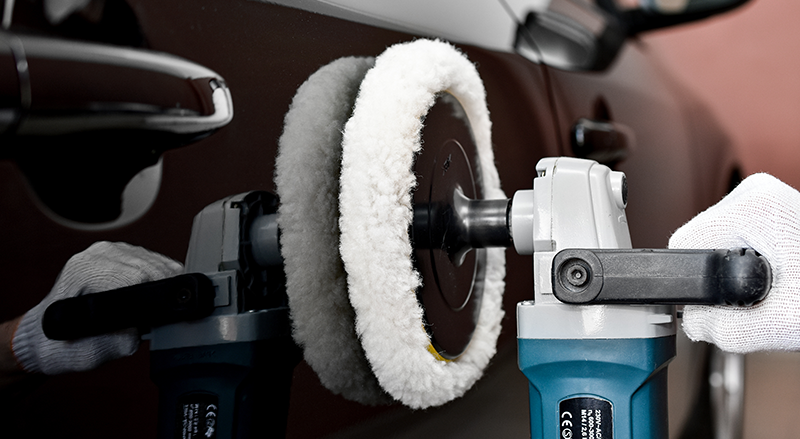
Collect all tools before you begin. You will need a bucket, car shampoo, microfiber towels, a clay bar, and applicator pads. A dual-action polisher can help but is not required. Having everything ready saves time and keeps you focused.
Choosing The Right Location
Pick a shaded, clean area to work on your car. Direct sunlight can dry products too fast. It can leave streaks or spots. A flat surface prevents your car from rolling. Avoid dusty or windy places to keep dirt away.
Cleaning And Drying
Wash your car thoroughly with car shampoo and water. Remove all dirt, grease, and grime. Use a clay bar to get rid of stubborn contaminants. Rinse well and dry with soft microfiber towels. A clean, dry surface helps compounding and waxing stick better.
Credit: blog.napacanada.com
Choosing The Right Products
Choosing the right products for compounding and waxing your car is very important. The products you pick affect the finish and protection of your car’s paint. Using the wrong product can cause damage or poor results. Understanding the types of compounds and waxes helps you pick what suits your car’s needs best. Safety and environmental factors are also important to consider when selecting these products.
Types Of Compounds
Compounds remove scratches, oxidation, and stains from the paint. There are three main types: heavy, medium, and fine. Heavy compounds are strong and remove deep scratches but can be harsh on paint. Medium compounds work on light scratches and swirls. Fine compounds polish the surface for a smooth finish. Choose a compound based on your car’s paint condition and the level of damage.
Selecting The Best Wax
Wax protects the paint and gives a shiny look. There are natural and synthetic waxes. Natural wax is made from carnauba and gives a deep shine but wears off faster. Synthetic wax lasts longer and offers better protection against weather. Choose a wax that matches your needs for shine and durability. Consider how often you want to wax your car.
Safety And Environmental Considerations
Always use products that are safe for your skin and eyes. Wear gloves and work in a well-ventilated area. Avoid products with harsh chemicals that can harm you or the environment. Choose eco-friendly compounds and waxes that break down easily. Dispose of used materials properly to protect nature and keep your workspace clean.
Compounding Your Car
Compounding your car removes surface scratches and old paint defects. It restores the smooth and shiny look of your vehicle’s paint. This step is important before waxing to achieve a perfect finish. Proper compounding helps your car look fresh and new again.
When To Compound
Compound your car if the paint looks dull or scratched. Use it after heavy dirt or pollution damage. Avoid compounding on new paint less than six months old. Compounding too often can wear down the paint surface.
Applying Compound By Hand Vs. Machine
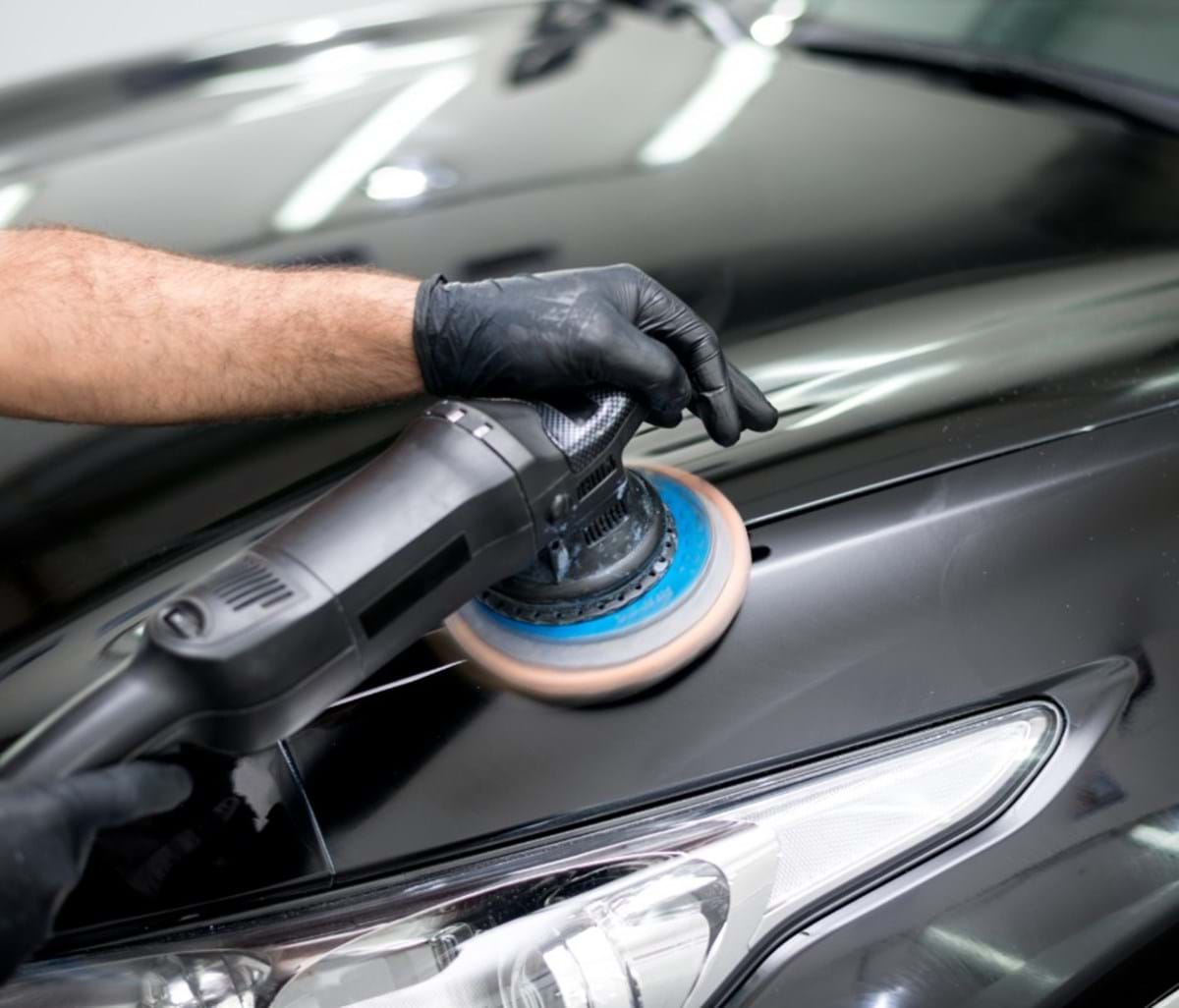
Hand application works well for small areas and light scratches. It gives more control but takes longer. A machine polisher covers large areas faster and with less effort. Machines offer a smoother finish but require practice to avoid damage.
Techniques For Even Application
Apply a small amount of compound on the surface. Spread it evenly in circular motions or straight lines. Work on one section at a time to avoid drying out. Keep light pressure and consistent speed for best results.
Removing Compound Residue
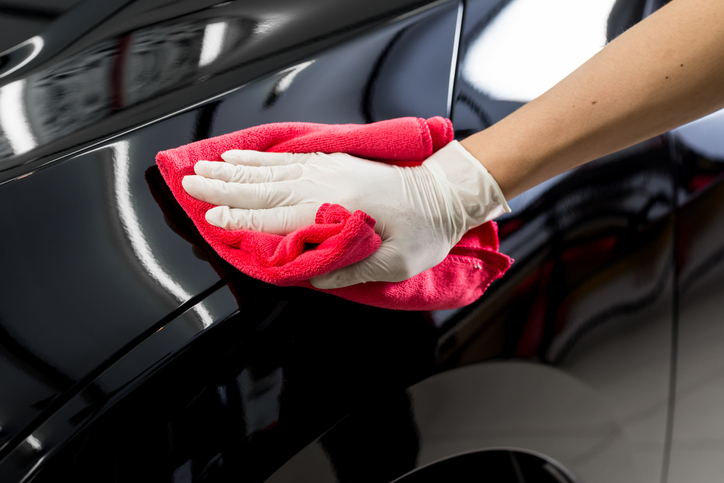
Wait for the compound to haze or dry slightly. Use a clean microfiber cloth to wipe off the residue. Change cloth sides often to avoid smearing. Check the surface for any leftover spots and buff gently if needed.
Credit: www.autotrainingcentre.com
Waxing For Lasting Shine
Waxing your car gives it a deep, lasting shine. It protects the paint from dirt, water, and sun damage. A good wax job keeps your car looking new for weeks. This section explains the types of wax, how to apply it, and tips to keep the shine.
Types Of Car Wax
Car wax comes in three main types: paste, liquid, and spray. Paste wax offers strong protection and lasts longer. Liquid wax is easier to apply and gives a smooth finish. Spray wax works best for quick touch-ups and light protection. Choose the type that fits your needs and skill level.
Applying Wax Correctly
Start with a clean, dry car surface. Use a foam or microfiber applicator pad. Apply a thin, even layer of wax in small sections. Use circular motions for better coverage. Let the wax dry to a haze before buffing. Avoid applying wax in direct sunlight or on a hot surface.
Buffing For Maximum Gloss
Use a clean, soft microfiber towel to buff the wax. Buff in gentle, circular motions. This removes excess wax and brings out the shine. Keep turning the towel to a clean side. Buff until the surface looks smooth and glossy. Buffing enhances the wax’s protective power too.
Wax Maintenance Tips
Wash your car regularly using a gentle car shampoo. Avoid harsh soaps that strip wax layers. Reapply wax every 6 to 8 weeks for best results. Park in the shade to protect the wax from sun damage. Quick touch-ups with spray wax keep the shine fresh between full wax jobs.
Common Mistakes To Avoid
Compounding and waxing your car can bring out its best shine. Avoiding common mistakes makes the process easier. Mistakes can damage your paint or waste time. Learn what to watch for to get the best results.
Over-compounding
Compounding too much removes more paint than needed. It can create swirl marks and dull spots. Use a light touch and check progress often. Stop once imperfections disappear. Overdoing it makes the surface rough and weak.
Waxing On Dirty Surfaces
Never wax a dirty or dusty car. Dirt traps under the wax and scratches paint. Always wash and dry your car first. A clean surface helps wax stick better. This step protects the paint and improves shine.
Using Incompatible Products
Some compounds and waxes do not work well together. Using the wrong combo can cause streaks or dullness. Choose products made to match each other. Read labels and follow instructions carefully. Proper product use ensures a smooth, glossy finish.
Maintaining Your Shine
Maintaining your car’s shine keeps it looking fresh and new. The shine from compounding and waxing needs care to last long. Regular attention protects your car’s paint and keeps it bright. Follow simple steps to keep your finish smooth and glossy.
Regular Washing Tips
Wash your car often to remove dirt and dust. Use a gentle car shampoo with water, not dish soap. Clean with a soft sponge or microfiber cloth to avoid scratches. Rinse well and dry with a clean towel to stop water spots.
Touch-up Waxing
Apply a thin layer of wax every few weeks. Use a soft applicator pad and work in small sections. Let the wax dry to a haze, then buff it with a clean cloth. This keeps the protective layer strong and the shine bright.
Protecting Your Finish
Park your car in shade or a garage to protect from sun damage. Avoid parking under trees where sap and bird droppings fall. Clean any spots quickly to stop paint damage. Use a quality wax or sealant to shield from rain and dirt.
Frequently Asked Questions
What Is The Difference Between Compounding And Waxing?
Compounding removes paint imperfections using abrasives, restoring surface smoothness. Waxing adds a protective layer that enhances shine and shields paint from elements.
How Often Should I Compound And Wax My Car?
Compound your car only when needed, usually once or twice a year. Wax your car every 2-3 months to maintain protection and gloss.
Can I Compound And Wax My Car By Myself?
Yes, you can do both at home with proper tools and products. Follow instructions carefully to avoid paint damage and achieve professional results.
What Tools Do I Need For Compounding And Waxing?
You need a dual-action polisher, microfiber cloths, car compound, and quality car wax. Proper tools ensure even application and protect your vehicle’s paint.
Conclusion
Properly compounding and waxing your car keeps it looking fresh and shiny. It removes scratches and protects the paint from damage. Regular care helps your car last longer and stay beautiful. Take your time and follow the steps carefully. You will enjoy driving a clean, polished car every day.
Simple actions make a big difference in car care. Try it yourself and see the results clearly. Your car deserves this kind of attention.


