

If you need to disconnect the fuel line from your fuel filter, you might be wondering how to do it safely and without causing damage. Whether you’re doing routine maintenance or fixing a problem, knowing the right steps can save you time and frustration.
In this guide, you’ll discover simple, clear instructions that anyone can follow—even if you’re not a car expert. By the end, you’ll feel confident handling this task yourself, avoiding costly trips to the mechanic. Ready to get started? Let’s dive in and make your fuel system work smoothly again.
Credit: comunisostenibili.eu
Tools Needed
Before disconnecting the fuel line from the fuel filter, gather all the necessary tools. Having the right tools makes the job safer and faster. It also helps avoid damage to the fuel system. This section covers the essential tools and safety gear you need.
Essential Tools List
Start with a set of wrenches. An adjustable wrench fits most fuel line sizes. A flare nut wrench works best for tight fittings. You also need a pair of pliers to hold or twist parts.
A flathead screwdriver helps to loosen clamps on the fuel line. A small container or rag is useful to catch any leaking fuel. Carry a clean cloth to wipe any spills. A flashlight can help you see in tight spaces.
Safety Equipment
Wear safety glasses to protect your eyes from fuel splashes. Use gloves to keep fuel off your skin. Work in a well-ventilated area to avoid breathing harmful fumes. Keep a fire extinguisher nearby as a precaution. Dress in clothes that cover your arms and legs to avoid contact with fuel.
Credit: www.reddit.com
Prepare The Vehicle
Preparing your vehicle before disconnecting the fuel line is important for safety and ease. Taking the right steps helps avoid spills and accidents. This section guides you through the initial tasks to get your vehicle ready.
These steps also protect you from fuel pressure and make the job simpler.
Relieve Fuel System Pressure
Fuel lines carry high pressure. This pressure can spray fuel when disconnected. To stop this, relieve the fuel system pressure first.
Start by locating the fuel pump fuse or relay in the fuse box. Remove it to stop the fuel pump. Then, try to start the engine. It may run briefly and then stop. This shows pressure is released.
Use a rag to catch any small fuel drips. Wear gloves and safety glasses for protection.
Locate The Fuel Filter
The fuel filter is usually along the fuel line. It sits between the fuel tank and the engine. Check near the engine bay or under the vehicle near the tank.
Use your vehicle’s manual if you need help. The filter looks like a small metal or plastic cylinder. It has fuel lines connected to both ends.
Make sure the engine is off and cool before touching anything.
Remove The Fuel Line
Removing the fuel line from the fuel filter is a key step in many vehicle maintenance tasks. It requires care to avoid damage and leaks. Follow clear steps to do it safely and efficiently.
Identify Fuel Line Connectors
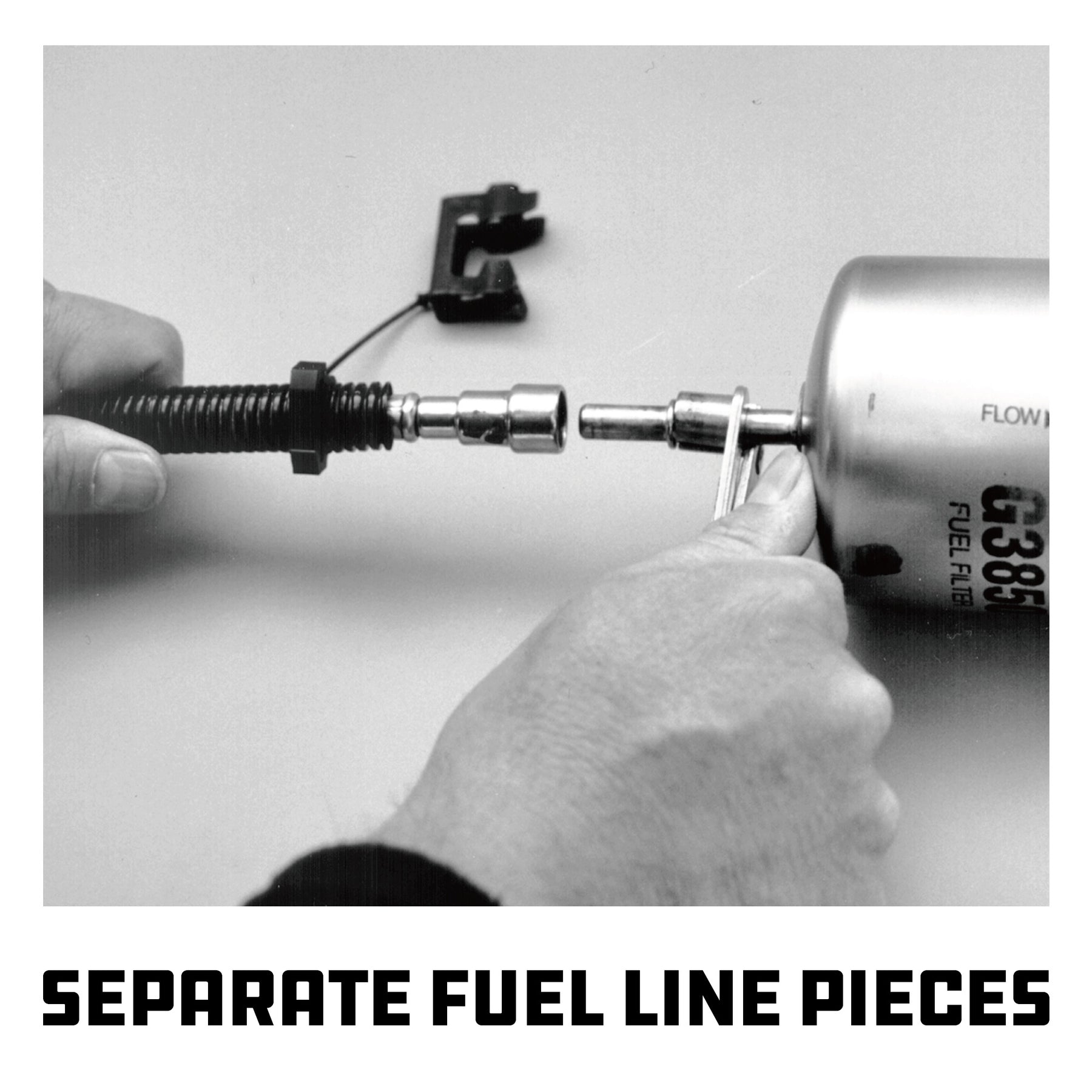
First, find the connectors where the fuel line meets the filter. These connectors often have clips or rings that hold the line in place. Look closely to understand how they attach. Some connectors press in, others twist or pull apart.
Knowing the type of connector helps you avoid breaking it. Check for dirt or rust that may make removal harder. Clean the area gently before starting.
Use Proper Techniques
Use the right tools if needed, like pliers or a special disconnect tool. Press or pull the connector as designed to release the fuel line. Avoid forcing it, which can cause cracks or leaks.
Work slowly and steadily. Wiggle the line gently to loosen it. Keep your hands steady to prevent sudden slips.
Handle Fuel Spills
Fuel may drip when disconnecting the line. Prepare by placing a cloth or container beneath the connection. This catches spills and keeps the work area clean.
Wipe any fuel immediately to avoid hazards. Dispose of fuel-soaked materials safely. Good handling protects you and your vehicle.
Replace Or Inspect The Fuel Filter
Replacing or inspecting the fuel filter is important for a healthy engine. A clean fuel filter keeps dirt and debris out of the fuel system. This helps the engine run smoothly and saves fuel. Regular checks prevent clogs that can cause poor performance or damage. Follow simple steps to check the filter and install a new one if needed.
Check Filter Condition
Start by removing the fuel filter carefully. Look for dirt, rust, or dark spots on the filter surface. A dirty filter means it needs to be replaced. Also, check for cracks or damage. A damaged filter can let dirt through, harming the engine. If the filter looks clean and intact, it can stay in place.
Install New Filter
Choose the correct replacement filter for your vehicle. Place the new filter in the same position as the old one. Make sure the fuel flow direction matches the filter arrows. Secure the fuel line connections firmly to avoid leaks. Double-check all fittings before starting the engine. A proper install helps the engine perform better and lasts longer.
Reconnect The Fuel Line
After removing the fuel line from the fuel filter, the next step is to reconnect it properly. This step is important to avoid fuel leaks and ensure your vehicle runs smoothly. Take your time and follow the steps carefully.
Secure Fuel Line Connections
Place the fuel line back onto the fuel filter’s outlet. Push it firmly until it clicks or fits snugly. Use the proper clamps or clips to hold the line in place. Check that the fuel line does not move or slide off easily. Tight connections prevent fuel from leaking and keep the engine safe.
Test For Leaks
Turn on the vehicle’s ignition without starting the engine. This activates the fuel pump and pressurizes the fuel line. Look closely at the connection point for any signs of fuel dripping. Wipe the area with a clean cloth to check for hidden leaks. If you see any leaks, tighten the connection again. No leaks mean you reconnected the fuel line correctly.

Credit: www.youtube.com
Safety Tips
Handling the fuel line and fuel filter needs care and attention. Safety is the top priority. Following the right safety tips protects you and your vehicle. This section covers key safety points to keep in mind before and during the process.
Avoid Fire Hazards
Fuel is highly flammable. Keep sparks and flames away from the work area. Do not smoke near the fuel system. Work in a well-ventilated space to prevent gas buildup. Wear gloves and safety glasses to protect your skin and eyes. Have a fire extinguisher nearby just in case.
Dispose Of Old Fuel Filter Properly
Used fuel filters contain harmful chemicals. Do not throw them in regular trash. Check local rules for hazardous waste disposal. Use a sealed container to store the old filter safely. Proper disposal protects the environment and people from harm.
Frequently Asked Questions
How Do I Safely Disconnect A Fuel Line?
Turn off the engine and relieve fuel system pressure first. Wear safety gloves and goggles. Use proper tools to avoid damage. Disconnect clips or fittings carefully to prevent fuel leaks.
What Tools Are Needed To Remove A Fuel Line?
You typically need a wrench, pliers, and a fuel line disconnect tool. Safety gloves and eye protection are also essential to handle fuel safely.
Can I Disconnect The Fuel Line Without Draining Fuel?
Yes, but it’s safer to relieve fuel pressure to avoid spills. Use a fuel pressure gauge or consult the vehicle manual for proper steps.
How To Prevent Fuel Leaks During Disconnection?
Wear gloves and work in a well-ventilated area. Use rags to catch drips and disconnect slowly. Ensure clips are disengaged before pulling the line.
Conclusion
Disconnecting the fuel line from the fuel filter is a simple task. Take your time and follow each step carefully. Always make sure the engine is off and cool before starting. Use the right tools to avoid damage and leaks.
Keep a clean workspace to stay safe and organized. With practice, this job becomes easier and quicker. Regular maintenance helps your vehicle run smoothly. Stay patient and focused during the process. Now, you can handle this task with confidence and care.


