Have you noticed your car acting differently lately? Maybe it’s struggling to start, or the engine feels sluggish when you press the gas.
These could be signs that your fuel filter is clogged or worn out. But how can you be sure? Knowing when to replace your fuel filter is key to keeping your vehicle running smoothly and avoiding costly repairs. You’ll discover the simple ways to tell if your fuel filter needs changing—and what you should do next.
Keep reading to protect your engine and save yourself time and money.

Credit: oilchangers.com
Role Of A Fuel Filter
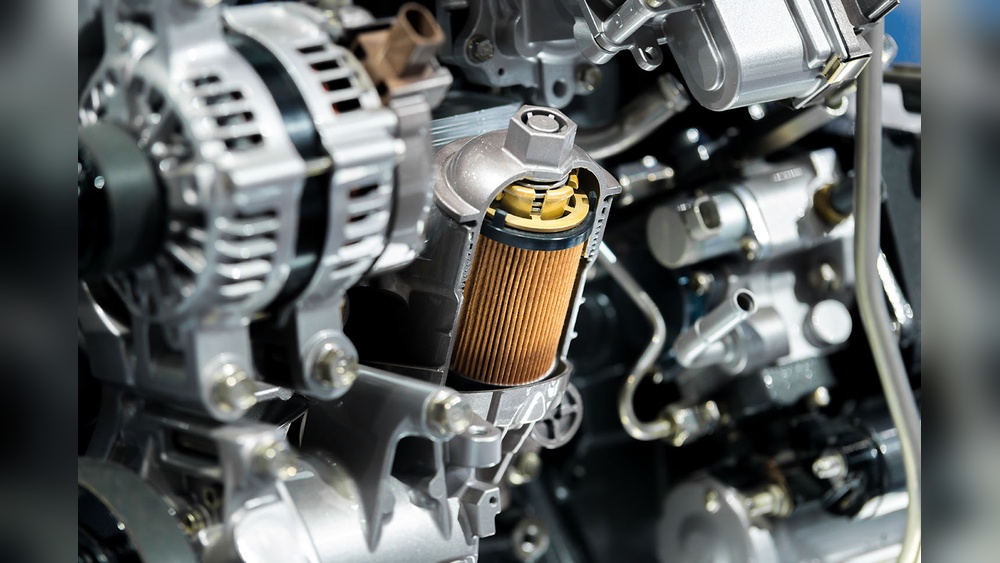
The fuel filter plays a very important role in your vehicle. It cleans the fuel before it reaches the engine. Without a working fuel filter, dirt and debris can enter the engine. This can cause many problems.
Knowing the role of the fuel filter helps you understand why it needs regular checks. It keeps the engine safe and running well.
Fuel Filter Function
The fuel filter catches dirt, rust, and other particles in the fuel. It stops these from reaching the engine. Clean fuel means the engine runs smoothly. The filter also protects fuel injectors and other parts. It helps fuel flow freely without blockages.
Impact On Engine Performance
A clogged fuel filter can reduce engine power. The engine may run rough or stall. Poor fuel flow makes the car hard to start. Fuel efficiency drops because the engine works harder. Replacing the fuel filter restores smooth engine function.
Common Signs Of A Failing Fuel Filter
Recognizing the common signs of a failing fuel filter helps keep your car running smoothly. A clogged filter blocks fuel flow. This causes problems that affect engine performance. Early detection prevents costly repairs and keeps your vehicle safe.
Engine Misfires And Hesitation
When the fuel filter is dirty, the engine may misfire. It can hesitate during acceleration or stall unexpectedly. This happens because the engine gets less fuel than needed. Misfires make driving unsafe and uncomfortable.
Reduced Fuel Efficiency
A bad fuel filter lowers fuel efficiency. Your car uses more gas to run the same distance. This happens as the engine struggles with poor fuel supply. You may notice more trips to the gas station than usual.
Difficulty Starting The Engine
Hard starts often point to a clogged fuel filter. The engine needs enough fuel to start quickly. A blocked filter can cause slow or failed starts. This issue may get worse over time.
Unusual Engine Noises
A failing fuel filter can cause strange engine sounds. You might hear sputtering or coughing noises. These sounds come from irregular fuel flow. They warn you of possible fuel system problems.
Visual And Physical Indicators
Visual and physical signs help you know if your fuel filter needs changing. These clues are easy to spot without special tools. They show that your fuel system might have trouble. Pay close attention to these signs to keep your car running smoothly.
Dirty Or Clogged Filter Appearance
Check the fuel filter’s surface for dirt or grime. A clean filter looks clear or lightly colored. Dark spots or thick dirt mean it is clogged. This blockage stops fuel from flowing well. A dirty filter can cause your engine to stall or lose power.
Fuel Odor Around The Vehicle
Smell fuel near your car’s engine or fuel tank. A strong fuel odor may mean a filter leak or clog. This smell is a warning sign of fuel system issues. It can be unsafe and should be checked fast. Ignoring this odor can lead to bigger problems.
Credit: www.modelgarageberkeley.com
Effects Of A Bad Fuel Filter On Vehicle
A bad fuel filter can cause several problems in your vehicle. It blocks the flow of fuel to the engine. This leads to poor engine performance and other issues. Recognizing these effects helps you know when to replace the fuel filter.
Engine Stalling Issues
A clogged fuel filter stops enough fuel from reaching the engine. The engine may stall or stop suddenly. This often happens when you accelerate or drive uphill. Stalling can be dangerous, especially in traffic.
Poor Acceleration
Your vehicle might struggle to speed up. A blocked fuel filter limits fuel supply. The engine does not get the power it needs. This results in slow or weak acceleration. Driving feels sluggish and less responsive.
Check Engine Light Activation
The check engine light may turn on. Sensors detect fuel flow problems caused by a bad filter. This warning signals you to check the fuel system. Ignoring it can lead to bigger engine problems.
When To Replace Your Fuel Filter
Knowing when to replace your fuel filter is key to keeping your car running well. The fuel filter stops dirt and debris from reaching the engine. Over time, it gets clogged and stops working properly. This can cause poor engine performance and even damage. Regular checks and timely replacement help avoid these problems.
Recommended Replacement Intervals
Most car makers suggest changing the fuel filter every 20,000 to 40,000 miles. This depends on the car model and fuel quality. Check your owner’s manual for exact guidance. Some newer cars have filters that last longer, but regular checks are still important. Replacing the filter on time keeps fuel flow smooth and engine healthy.
Situations Demanding Immediate Replacement
Replace the fuel filter right away if you notice hard starting or engine stalling. Reduced engine power during acceleration is another warning sign. Strange noises from the fuel pump can also mean filter clogging. Using bad or dirty fuel often clogs the filter faster. In these cases, do not wait for the scheduled time. Quick replacement prevents bigger engine troubles.

Credit: www.autonationmobileservice.com
Fuel Filter Maintenance Tips
Fuel filter maintenance is key to keeping your car running smoothly. A clean fuel filter protects your engine from dirt and debris. It helps maintain good fuel flow and engine performance. Neglecting the filter can cause poor mileage and engine trouble. Follow these simple tips to care for your fuel filter and avoid costly repairs.
Regular Inspection
Check your fuel filter regularly. Look for signs of clogging or damage. A dirty filter can slow fuel flow and reduce engine power. Inspect it every 12,000 to 15,000 miles or as your car manual suggests. Keep an eye out for rough engine idling or trouble starting your car. These may mean the filter needs attention.
Choosing The Right Replacement Filter
Pick the correct fuel filter for your vehicle model. Using the wrong filter can cause leaks or engine problems. Check your owner’s manual or ask a trusted mechanic. Buy filters from reliable brands to ensure quality. A proper fit helps your car run well and saves money on repairs. Change the filter on time to keep your engine healthy.
Frequently Asked Questions
How Do I Know If My Fuel Filter Is Clogged?
A clogged fuel filter causes engine misfires, poor acceleration, and stalling. You may also notice a drop in fuel efficiency. If your car struggles to start, it’s a strong sign the fuel filter needs replacement.
What Are Common Symptoms Of A Bad Fuel Filter?
Symptoms include rough engine idling, hesitation during acceleration, and frequent stalling. You might also see the check engine light on. These signs suggest restricted fuel flow due to a dirty or failing fuel filter.
How Often Should I Replace My Fuel Filter?
Generally, replace the fuel filter every 20,000 to 40,000 miles. However, consult your vehicle’s manual for specific intervals. Regular replacement ensures proper fuel flow and prevents engine damage.
Can A Dirty Fuel Filter Damage My Engine?
Yes, a dirty fuel filter can cause engine misfires and poor performance. It may force the fuel pump to work harder, leading to pump failure. Timely replacement protects your engine and fuel system.
Conclusion
A dirty or clogged fuel filter can cause many car problems. Pay attention to rough engine idling and poor acceleration. Strange noises or trouble starting also signal filter issues. Changing the fuel filter keeps your engine healthy and running smooth.
Regular checks help avoid costly repairs later. Trust your car’s behavior—it often tells you when something is wrong. Keep your fuel filter clean to enjoy better performance every time you drive. Don’t wait for big problems; act early for a safer ride.