
Are you wondering what to do with old brake rotors after a brake job? You’re not alone.
Knowing how to dispose of brake rotors safely and responsibly can save you time, money, and even help protect the environment. You’ll discover simple steps to get rid of your used rotors the right way. Keep reading to find out how you can make the process easy and stress-free.
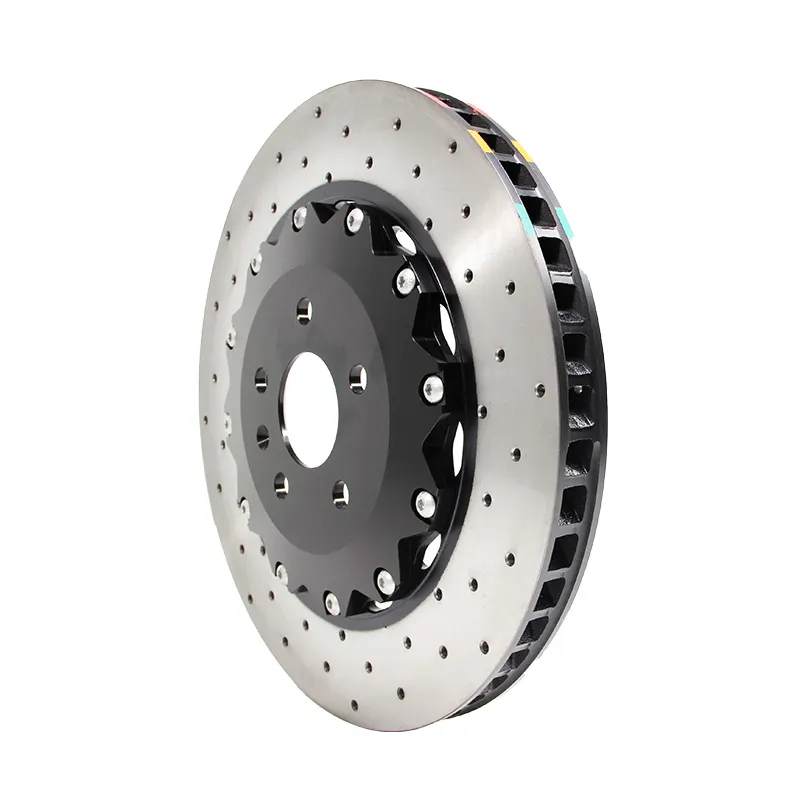
Credit: www.frontech.com
Why Proper Disposal Matters
Proper disposal of brake rotors matters for safety and the environment. Old rotors contain metals and materials that can harm nature if not handled correctly. Disposing of them properly helps reduce pollution and keeps hazardous waste out of landfills. It also supports recycling efforts that save energy and resources.
Environmental Impact Of Brake Rotors
Brake rotors are made of metals like iron and steel. These metals can rust and leak harmful chemicals into soil and water. Improper disposal can pollute rivers and harm animals. Recycling brake rotors reduces waste and lowers the need to mine new metals. It helps protect natural habitats and keeps ecosystems healthy.
Legal Regulations And Guidelines
Many places have rules for disposing of automotive parts. These laws prevent illegal dumping and protect public health. Proper disposal often requires taking rotors to certified recycling centers. Following guidelines avoids fines and legal trouble. It also ensures that materials are handled safely and responsibly.
Signs You Need To Replace Rotors
Brake rotors are a key part of your vehicle’s braking system. They help stop your car safely. Over time, rotors wear out and need replacement. Knowing the signs of worn rotors can keep you safe and avoid costly repairs.
Common Wear Indicators
Look for grooves or deep scratches on the rotor surface. These marks reduce braking efficiency. A vibrating or pulsating brake pedal signals uneven rotor wear. Also, listen for squealing or grinding noises during braking. Thin rotors are less effective and may crack easily. Measure thickness and compare it to the manufacturer’s limit.
Safety Risks Of Worn Rotors
Worn rotors increase stopping distance. This raises the risk of accidents. Uneven rotors can cause brake failure in emergencies. Cracked rotors may break under pressure, leading to loss of control. Replacing rotors on time ensures stable and safe braking performance.
Preparing Rotors For Disposal
Preparing brake rotors for disposal helps keep the environment safe. It also makes recycling easier. Proper preparation stops dirt and harmful materials from spreading. It saves time for recycling centers. Follow simple steps to clean and separate parts before disposal.
Cleaning And Handling Tips
Wear gloves to protect your hands from sharp edges. Use a wire brush to remove rust and dirt. Wipe the rotor with a clean cloth to clear dust. Avoid using water to stop rust from spreading. Handle rotors carefully to avoid injury.
Removing Non-metal Components
Check for rubber, plastic, or other materials stuck to the rotor. Remove all non-metal parts by hand or with pliers. These parts can harm the recycling process. Separate them in a different trash bin. Only metal parts should go to the scrap metal recycler.
Recycling Options For Brake Rotors
Recycling brake rotors helps reduce waste and protects the environment. These parts are mostly made of metal, which can be reused. Proper recycling also saves natural resources and energy. Several options exist to recycle brake rotors safely and easily.
Local Scrap Yards And Metal Recyclers
Scrap yards accept brake rotors for recycling. They pay for the metal based on current prices. Drop off old rotors at a nearby yard. The rotors are melted down and made into new products. This process lowers the need for new mining. Recycling at scrap yards is quick and simple.
Automotive Shops And Dealerships
Many auto shops take used brake rotors. They send old parts to recycling centers. Some dealers offer trade-in programs for worn rotors. These programs help keep metal out of landfills. Ask your mechanic about recycling options. They often handle the disposal as part of service.
Eco-friendly Disposal Alternatives
Disposing of brake rotors responsibly helps protect the environment. Many rotors contain metals that can be recycled or reused. Eco-friendly disposal alternatives reduce waste and save resources. These options give old rotors a new life beyond the landfill.
Upcycling Ideas For Old Rotors
Old brake rotors can become useful household items. Some people turn them into unique furniture bases. Use rotors as stands for plants or small tables. They add a rustic, industrial look to any space. Upcycling prevents rotors from sitting unused in trash.
Donating For Art Or Educational Use
Artists often seek metal pieces for their projects. Donate brake rotors to local art schools or studios. Students use them for sculptures and metalwork practice. Educational programs may need rotors for teaching mechanical skills. Donating supports creativity and learning in your community.
Avoiding Common Disposal Mistakes
Disposing of brake rotors needs careful attention. Many people make simple mistakes that cause harm to the environment or waste valuable materials. Avoiding these errors helps keep the earth clean and saves resources.
Proper disposal is not just about throwing parts away. It involves knowing the right steps and following rules to protect nature and comply with laws. This section explains key mistakes and how to avoid them.
Why Landfilling Rotors Is Harmful
Brake rotors are made of metal and other materials that do not break down easily. Putting them in landfills adds to soil pollution. Metals can leak harmful chemicals into the ground and water.
Landfilling also wastes metal that can be reused. Recycling rotors saves energy and reduces mining for new metal. This helps lower air pollution and conserves natural resources.
Proper Documentation And Reporting
Many places require paperwork when disposing of auto parts. This helps track waste and ensures it goes to the right facility. Without proper documents, you may face fines or legal trouble.
Keep records of where and how you dispose of rotors. This shows you follow environmental laws. Reporting also helps improve waste management systems for everyone’s benefit.
Tips For Maintaining Rotors Longer
Brake rotors are an important part of your vehicle’s braking system. Keeping them in good shape saves money and ensures safety. Simple steps can help your rotors last longer. Focus on regular checks and smart driving habits to protect your rotors.
Regular Inspection And Maintenance
Check your brake rotors often. Look for signs of wear like grooves, cracks, or rust. Thin or damaged rotors need replacement to avoid brake failure. Clean rotors during brake pad changes. Use the right tools to avoid damage. Tighten bolts to the right torque. Visit a mechanic if you hear unusual noises or feel vibrations when braking.
Driving Habits That Extend Rotor Life
Drive smoothly and avoid hard braking. Hard stops cause heat and wear on rotors. Slow down early instead of sudden braking. Avoid riding the brakes on hills. Use engine braking when possible. This reduces rotor stress. Give brakes time to cool on long drives. Avoid carrying heavy loads frequently. Heavy weight increases brake wear. Calm driving habits save your rotors and improve safety.

Credit: edarnoldscrap.com

Credit: king-racing.com
Frequently Asked Questions
How To Safely Dispose Of Old Brake Rotors?
Old brake rotors should be taken to a local scrap metal recycling center. Avoid throwing them in regular trash to prevent environmental harm. Many auto shops also accept used rotors for recycling. Always check local regulations for proper disposal methods.
Can Brake Rotors Be Recycled Or Reused?
Yes, brake rotors are recyclable since they are made from metal. Recycled rotors can be melted down and repurposed. Some rotors can be resurfaced and reused if they are not too worn or damaged. Recycling reduces waste and conserves resources.
Where To Find Brake Rotor Recycling Centers Nearby?
Search online for scrap metal or automotive recycling centers in your area. Many cities have designated facilities that accept brake rotors. Contact local auto parts stores or repair shops for recycling options. Community recycling events may also accept brake rotors.
Is It Harmful To Throw Brake Rotors In Regular Trash?
Yes, disposing of brake rotors in regular trash can harm the environment. They contain metals that do not decompose easily. Improper disposal can pollute soil and water. Recycling or taking them to a proper facility is safer and eco-friendly.
Conclusion
Proper disposal of brake rotors helps protect the environment. Take old rotors to recycling centers or scrap yards. Some auto shops accept used parts for recycling. Avoid throwing rotors in regular trash bins. Recycling saves metal and reduces waste. Always check local rules for disposal.
Following these steps keeps your car maintenance safe and eco-friendly. Small actions like this make a big difference. Keep your vehicle in good shape and help the planet too.

