Have you ever wondered how hot your back brake rotors should get when you’re driving? Knowing the right temperature can make a big difference in your car’s performance and safety.
If your rotors get too hot, it could mean trouble waiting to happen. But if they don’t heat up enough, your brakes might not work as they should. You’ll discover the ideal heat range for your back brake rotors and why it matters for your driving experience.
Keep reading to protect your vehicle and ensure your brakes work perfectly every time you hit the road.

Credit: www.autonationmobileservice.com
Normal Brake Rotor Temperatures
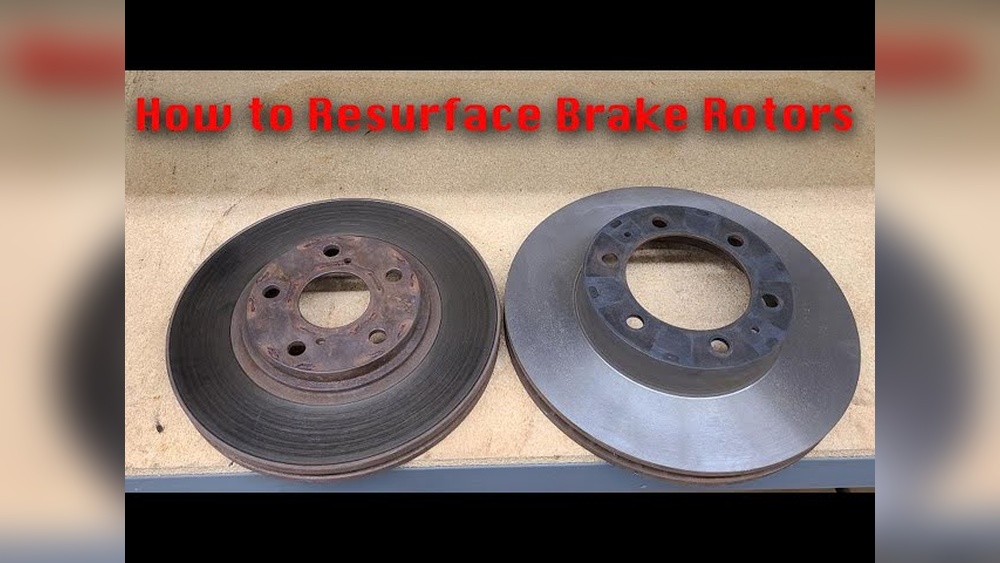
Brake rotors are a key part of your vehicle’s braking system. They help stop your car by creating friction with the brake pads. When you brake, the rotors get hot. Understanding normal brake rotor temperatures is important. It helps you know when your brakes work well or need attention.
Typical Operating Range
Most back brake rotors run between 200°F and 400°F during regular driving. Light braking keeps them closer to the lower end. Heavy braking, like going down a hill, pushes temperatures higher. Racing or towing can heat rotors above 800°F. Still, most daily drivers rarely see temps over 400°F.
Factors Influencing Rotor Heat
Several things affect how hot rotors get. The weight of your vehicle plays a role. Heavier cars need more force to stop, making rotors hotter. Brake pad material matters too. Some pads create more heat than others. Driving style also affects heat. Frequent hard stops raise temperature quickly. Road conditions and weather can change heat levels as well.
Credit: www.ebcbrakes.com
Signs Of Overheating Rotors
Overheating back brake rotors can cause serious damage. It reduces braking efficiency and safety. Knowing the signs helps you act quickly. Early detection can prevent costly repairs and accidents.
Visual Indicators
Discolored rotors often show overheating. Look for blue or purple patches on the surface. Cracks may appear from extreme heat stress. Warped rotors might look uneven or bent. These changes affect how the brakes work.
Performance Symptoms
Brakes may feel less responsive or soft. You might hear squealing or grinding noises. A burning smell near the wheels signals heat. Vibrations when braking often mean rotor damage. These symptoms warn that rotors are too hot and need checking.
Risks Of Excessive Rotor Heat
Back brake rotors must stay within a safe temperature range. Excessive heat causes serious problems. It can harm your brakes and reduce safety. Understanding the risks helps protect your car and yourself.
Heat comes from friction when you brake. If the rotors get too hot, they lose their strength and shape. This leads to poor brake performance and expensive repairs.
Brake Fade And Reduced Efficiency
Brake fade happens when rotors get too hot. The brakes feel weak or slow to respond. This can make stopping harder and longer. It is dangerous, especially on steep hills or in traffic. Hot rotors reduce the friction needed to stop quickly.
Drivers may press the pedal harder, but the brakes don’t improve. This can cause accidents and stress. Keeping rotor temperatures low helps maintain strong brake power and control.
Rotor Warping And Damage
Excess heat can warp the brake rotors. Warping means the rotor surface becomes uneven. This causes shaking or vibrations when braking. It also wears brake pads faster and unevenly.
Warped rotors need replacement or resurfacing, which costs money. Severe heat can cause cracks or permanent damage. Regular checks and avoiding heavy braking help protect rotors from damage.
Measuring Rotor Temperature
Measuring the temperature of back brake rotors helps you understand brake performance. Heat affects rotor shape and brake efficiency. Knowing the temperature prevents damage and improves safety.
Tools And Techniques
Infrared thermometers quickly measure rotor heat without touching. Point the device at the rotor surface and get an instant reading. Thermal cameras show heat patterns across the rotor. They help spot hot spots or uneven heating. Temperature strips change color to show heat levels. They stick on the rotor but give less precise readings. Use tools after driving or braking hard. Avoid touching hot rotors to prevent burns.
Safe Temperature Limits
Back brake rotors usually stay below 400°F (204°C) during normal use. Temperatures above 600°F (316°C) can cause warping or cracking. High heat reduces brake pad life and performance. Track driving or heavy towing may push temperatures higher. Cooling down rotors between heavy braking helps maintain safety. Watch for signs like brake fade or noise as heat increases. Proper rotor temperature keeps your brakes reliable and safe.
Preventing Rotor Overheating
Back brake rotors can get very hot during driving. Too much heat can damage them and reduce braking power. Preventing rotor overheating helps keep your brakes safe and working well. You can protect your rotors by following simple steps every day.
Proper Driving Habits
Driving smoothly helps keep brake rotors cool. Avoid sudden stops and hard braking. Use engine braking by downshifting on hills. This lowers the load on the brakes. Give your brakes time to cool after heavy use. Stop at safe spots and avoid riding the brakes.
Brake System Maintenance
Regular brake checks keep rotors in good shape. Inspect brake pads and replace if worn. Worn pads cause rotors to heat up more. Check brake fluid level and quality often. Old fluid reduces brake performance and causes heat. Clean brake parts to remove dust and dirt. A clean system helps heat escape better.
Upgrading Brake Components
Upgrading brake components improves safety and performance. Better parts handle more heat. They last longer and stop your vehicle more efficiently. This upgrade is important for those who drive often or in tough conditions.
High-performance Rotors
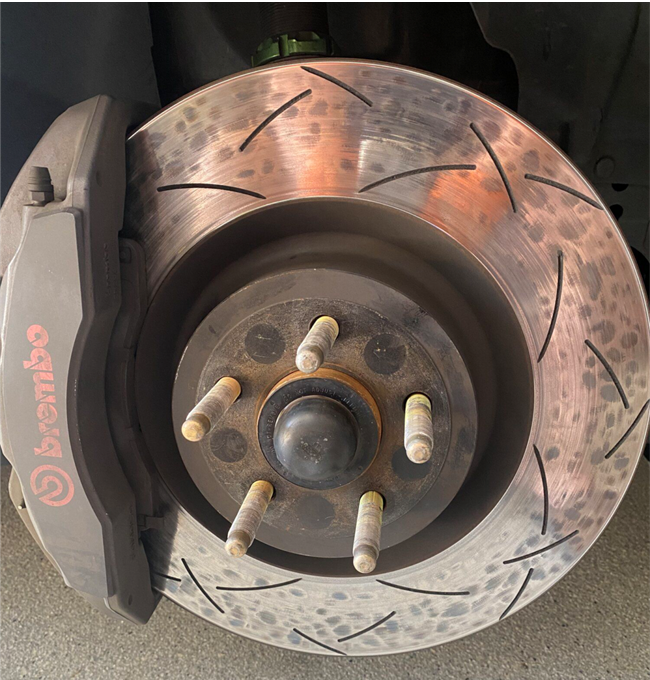
High-performance rotors are designed to cool faster. They resist warping under heat stress. These rotors have slots or drilled holes. This design helps release gases and dust. It keeps brakes working smoothly during hard stops. They also reduce the risk of brake fade. This makes them ideal for heavy braking.
Brake Pads For Heat Resistance
Brake pads affect how hot rotors can get. Heat-resistant pads handle higher temperatures without wearing out fast. They keep stopping power steady even when hot. These pads use special materials like ceramic or carbon. They produce less dust and noise too. Choosing the right pads helps protect the rotors. It extends the life of your braking system.
Emergency Actions For Hot Brakes
Hot brake rotors can cause serious problems. Overheating brakes reduce stopping power and can damage parts. Knowing what to do in an emergency keeps you safe. Quick action helps cool the brakes and avoid accidents.
Cooling Down Techniques
Stop driving and park in a safe place. Avoid touching the rotors; they stay hot long after stopping. Let the brakes cool naturally for at least 30 minutes. Do not pour water on hot rotors; this can cause cracks.
Drive slowly and gently if you must move. Use engine braking by downshifting to slow the car. This reduces pressure on the brakes and helps cool them. Check brake fluid levels after cooling down. Low fluid can worsen brake problems.
When To Seek Professional Help
Call a mechanic if brakes still feel weak after cooling. Strange noises or burning smells need expert attention. Warped rotors or worn brake pads require replacement. Avoid driving long distances with hot or damaged brakes.
Regular brake checks prevent emergencies. Professionals can inspect rotors and brake systems thoroughly. Do not ignore warning signs like brake fade or pedal softness. Early repairs keep you safe on the road.

Credit: www.youtube.com
Frequently Asked Questions
How Hot Can Back Brake Rotors Safely Get?
Back brake rotors typically reach temperatures between 300°F and 600°F during normal use. Temperatures above 700°F risk warping and reduced braking efficiency. Proper cooling and maintenance help keep rotors within safe limits, ensuring optimal brake performance and longevity.
What Causes Back Brake Rotors To Overheat?
Overheating occurs from excessive braking, downhill driving, or dragging brakes. Poor brake pad condition and stuck calipers also increase rotor temperature. Regular inspections and timely repairs prevent rotor damage and maintain safe driving conditions.
How To Measure Back Brake Rotor Temperature?
Use an infrared thermometer to measure rotor surface temperature accurately. Check immediately after driving or braking hard. Avoid touching rotors when hot to prevent injury. Monitoring temperature helps detect potential brake issues early.
Can Overheated Back Brake Rotors Affect Vehicle Safety?
Yes, overheated rotors reduce braking efficiency and may cause brake fade. This compromises stopping distance and vehicle control. Maintaining proper rotor temperature is crucial for safe braking and accident prevention.
Conclusion
Back brake rotors should not get too hot during use. Excess heat can cause damage and reduce brake life. Normal operating temperature usually stays below 400 degrees Fahrenheit. Watch for signs like brake fade or unusual smells. Keep your brakes in good shape with regular checks.
Proper cooling helps maintain safe and effective braking. Remember, cooler rotors mean better performance and longer parts life. Stay aware to avoid costly repairs and stay safe on the road.