

You’ve just finished using liquid car wax, but now you’re wondering how to get rid of what’s left. Tossing it in the trash or pouring it down the drain might seem easy, but it can cause serious harm to the environment—and even your home’s plumbing.
Knowing the right way to dispose of liquid car wax protects you, your community, and the planet. Keep reading to discover simple, safe steps you can take to dispose of your liquid car wax the right way. Your car—and the Earth—will thank you.
Hazards Of Liquid Car Wax
Liquid car wax can harm people and the planet if not handled properly. It contains chemicals that can irritate skin and eyes. It can also pollute water and soil. Knowing the hazards helps you stay safe and protect the environment.
Chemical Components To Watch
Liquid car wax often has solvents and preservatives. These chemicals may cause allergic reactions or breathing problems. Some contain petroleum-based ingredients that are toxic. Avoid direct contact with skin or inhaling fumes. Read labels carefully to identify harmful substances.
Environmental Risks
Pouring liquid car wax down drains harms water life. Chemicals can kill fish and plants in rivers and lakes. Wax residue can clog water filters and pipes. It may also seep into the soil and pollute groundwater. Dispose of liquid car wax at hazardous waste centers only.

Credit: www.northwoodstm.com
Preparing Liquid Wax For Disposal
Properly preparing liquid car wax for disposal prevents harm to the environment. It also keeps your home safe from spills and leaks. This process begins by handling the leftover wax carefully. Follow simple steps to make disposal easier and safer.
Drying Out Residual Wax
Start by removing as much wax as possible from the container. Use old rags or paper towels to wipe the inside. Let the remaining wax dry in a well-ventilated area. Avoid direct sunlight or heat sources to prevent accidents. Drying the wax reduces liquid waste and makes disposal safer.
Sealing Containers Properly
After drying, seal the container tightly to stop leaks. Use the original lid or a strong, airtight cap. Check for cracks or damage on the container before sealing. If damaged, transfer the wax to a new, leak-proof container. Proper sealing helps prevent spills during trash collection or transport.
Safe Disposal Methods
Safe disposal of liquid car wax protects the environment and your health. Pouring it down drains or on soil can cause pollution. Follow safe methods to dispose of leftover wax properly. This helps keep water and land clean. It also prevents harm to plants and animals.
Household Hazardous Waste Programs
Many communities have special programs for hazardous waste. These programs accept liquid car wax and other chemicals. They handle waste safely and stop pollution. Check your local government website for program details. Usually, you drop off the wax at a designated location. Sometimes, they hold special collection days for hazardous waste. Using these programs keeps dangerous materials out of landfills.
Local Disposal Facilities
Local disposal facilities often take liquid car wax. These places have equipment to manage chemicals safely. They follow laws to protect the environment. Contact your nearest facility to learn their rules. Some may charge a small fee for disposal. Bringing the wax to these sites ensures it does not harm water or soil. Always store the wax in its original container before disposal. Label the container clearly to avoid confusion.
Eco-friendly Alternatives
Finding eco-friendly alternatives for disposing of liquid car wax helps protect the environment. Harmful chemicals in many waxes can damage water and soil. Choosing greener options reduces pollution and keeps nature safe. Small changes in how you use and dispose of car wax make a big difference.
Using Biodegradable Car Waxes
Biodegradable car waxes break down naturally without harming the earth. These waxes contain plant-based ingredients and fewer chemicals. They clean your car while being safer for water systems. Using biodegradable wax means less toxic waste enters the environment. It is a simple switch that helps keep rivers and soil clean.
Reducing Waste Through Proper Usage
Use only the amount of wax needed for your car’s surface. Overusing liquid wax creates extra waste and pollution. Apply wax carefully with a clean cloth or sponge. Store leftover wax in sealed containers to avoid spills. Proper use lowers the chance of hazardous runoff into drains or soil.
Preventing Improper Disposal
Preventing improper disposal of liquid car wax protects the environment and public health. This wax contains chemicals that can harm water, soil, and wildlife. Careful handling helps keep neighborhoods safe and clean. Understanding simple steps reduces pollution risks and promotes responsible waste management.
Avoiding Drains And Soil
Never pour liquid car wax down drains or on soil. Drains lead to water bodies, spreading harmful chemicals. Soil contamination affects plants and animals living nearby. Use a sealed container to store leftover wax safely. Take the container to a hazardous waste collection site. This action prevents chemicals from entering nature.
Community Awareness
Share knowledge about safe disposal with friends and neighbors. Many people do not know the dangers of improper disposal. Organize or join local clean-up or education events. Inform others about collection points for hazardous waste. Community action helps reduce pollution and protect the local environment. Everyone plays a role in keeping the area safe and healthy.
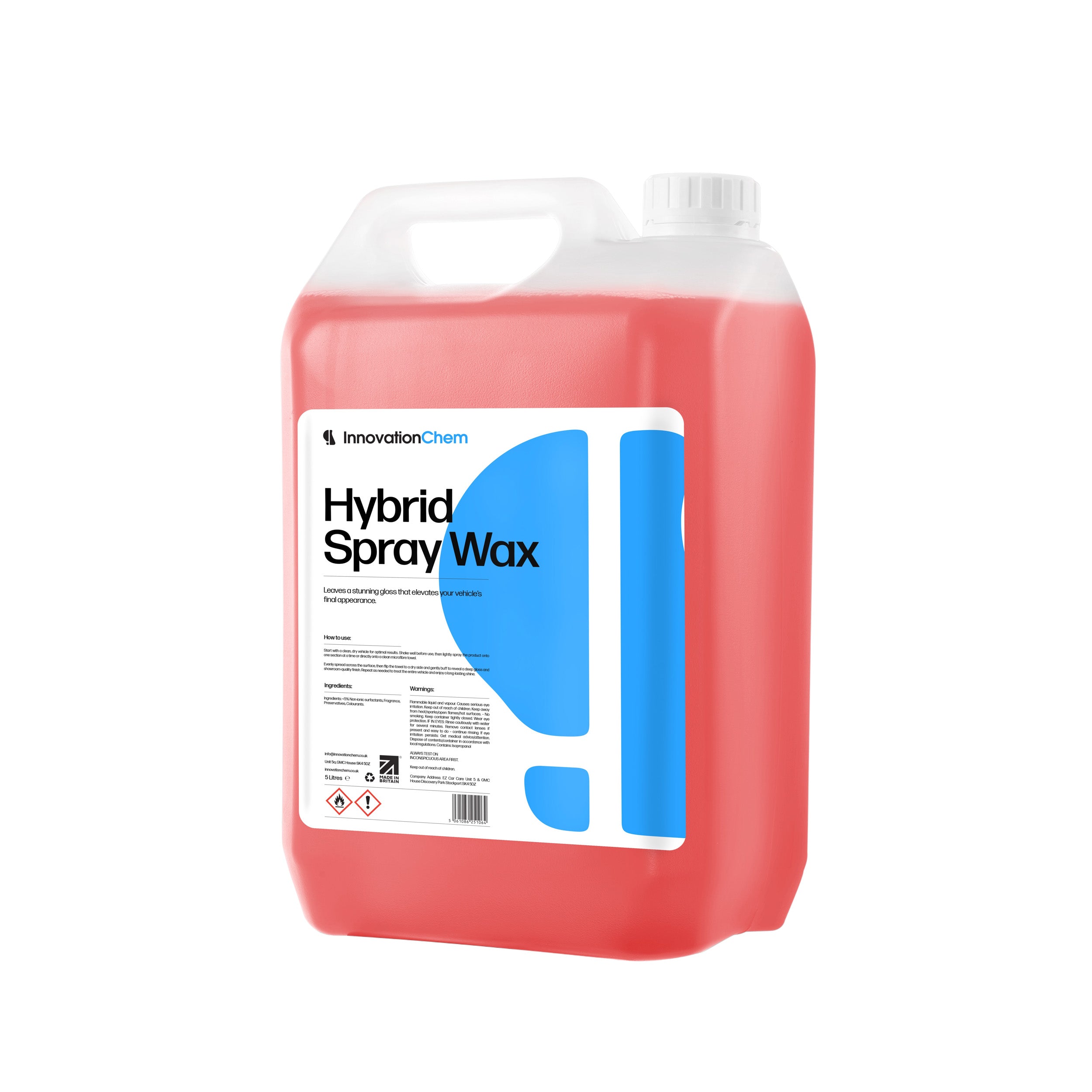
Credit: www.innovationchem.co.uk
Recycling And Reuse Options
Recycling and reuse options help reduce waste from liquid car wax. They lower pollution and save resources. Properly handling leftover wax and containers benefits the environment. Small actions make a big difference in waste management.
Repurposing Empty Containers
Empty liquid car wax containers can have new uses. Clean them well before reuse. Store small items like screws, nails, or craft supplies. Use them as watering cans for small plants. Proper cleaning avoids contamination and makes reuse safe.
Donating Leftover Wax
Leftover liquid car wax can help others. Donate to community centers, schools, or car clubs. They may use it for projects or car care. Check if local organizations accept donations. Sharing unused wax reduces waste and supports others in need.

Credit: www.turtlewaxpro.com
Frequently Asked Questions
How Do I Safely Dispose Of Liquid Car Wax?
To dispose of liquid car wax safely, avoid pouring it down drains. Seal it in its original container and take it to a hazardous waste facility. This prevents water contamination and environmental harm.
Can I Pour Liquid Car Wax Down The Drain?
No, pouring liquid car wax down the drain can cause blockages and pollute water. Always dispose of it at a hazardous waste collection site.
Where Can I Recycle Or Dispose Of Car Wax?
Many local hazardous waste centers accept car wax. Check with your community’s waste disposal program for guidelines on hazardous materials like liquid car wax.
Is It Harmful To Throw Liquid Car Wax In The Trash?
Throwing liquid car wax in regular trash can be harmful if it leaks. Keep it sealed tightly to avoid spills, or take it to a hazardous waste disposal site.
Conclusion
Disposing of liquid car wax safely helps protect the environment. Avoid pouring it down drains or on the ground. Use local hazardous waste programs to get rid of it properly. Store leftover wax in a sealed container until disposal. Small steps like these keep water and soil clean.
Taking care of waste shows respect for nature. Keep your car clean and the planet safer. Simple actions make a big difference over time. Remember, safe disposal keeps everyone healthier and happier.


