

Are you thinking about giving your golf cart a fresh new look with a vinyl wrap? One of the biggest questions you probably have is: how much vinyl do you actually need to cover your golf cart?
Getting the right amount is key—you don’t want to buy too little and end up stuck halfway through, or buy too much and waste money. You’ll find simple answers and easy tips to help you measure and estimate the perfect amount of vinyl for your project.
Keep reading to make your golf cart stand out without any guesswork or hassle.

Credit: golfcargraphics.com
Golf Cart Wrap Basics
Wrapping a golf cart with vinyl is a popular way to change its look. It protects the cart and makes it unique. Understanding the basics helps you know how much vinyl to get. Knowing what vinyl wrap is and its benefits is key.
What Is Vinyl Wrap
Vinyl wrap is a thin sheet of plastic film. It sticks to surfaces like a big sticker. The wrap covers the golf cart’s body without paint. You can choose many colors and designs. The vinyl is easy to remove or replace. It does not damage the cart’s surface.
Benefits Of Wrapping A Golf Cart
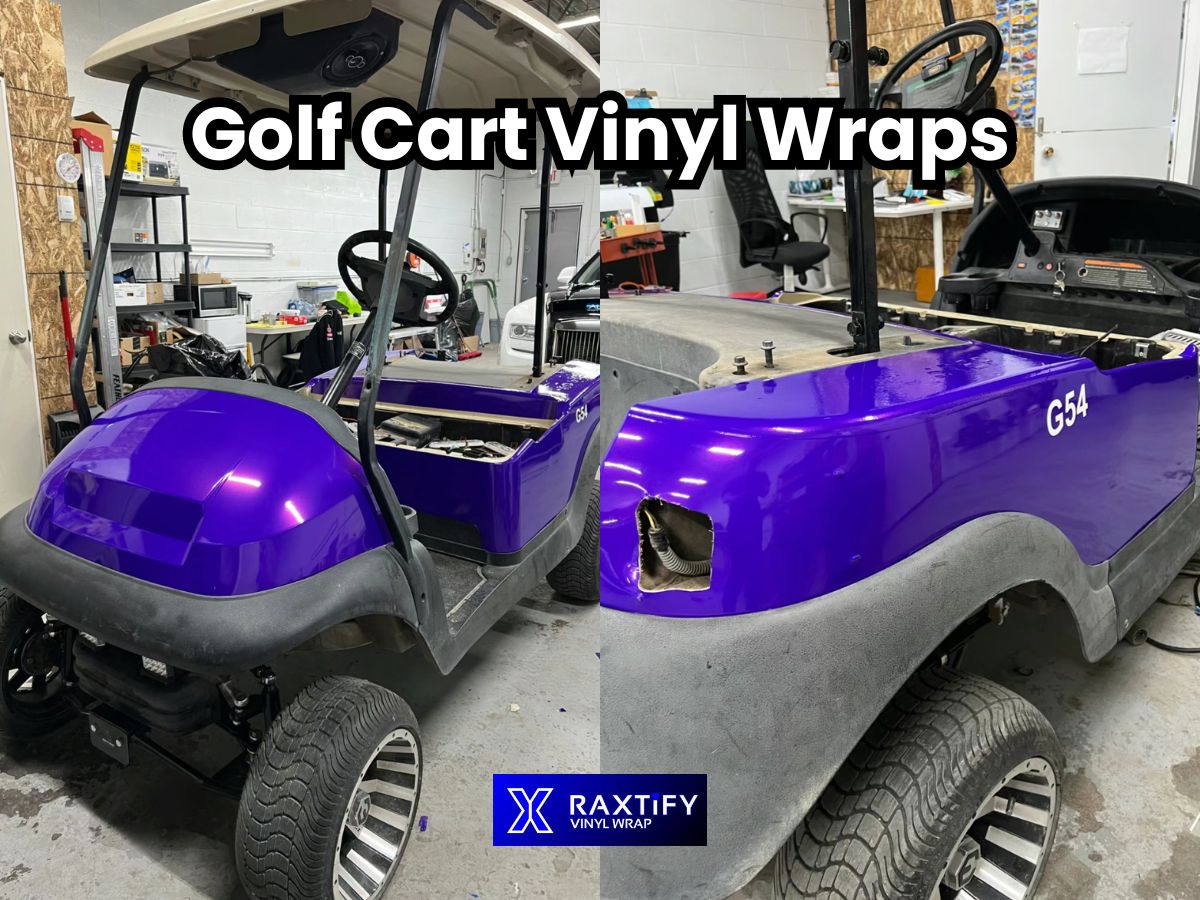
Vinyl wrap protects the paint from scratches and dirt. It keeps the cart looking new for longer. You can change the style without paying for a new paint job. The wrap is lighter than paint and dries fast. It also helps hide small dents and marks. Wrapping adds value and personal style to your golf cart.
Credit: raxtify.com
Measuring Your Golf Cart
Measuring your golf cart before wrapping it with vinyl is a crucial step. Accurate measurements ensure you buy the right amount of vinyl. This prevents waste and extra costs. Taking your time to measure carefully saves frustration during installation.
Key Dimensions To Measure
Start with the length of your golf cart. Measure from the front bumper to the back. Next, measure the width at the widest point, usually across the seats. Don’t forget the height from the ground to the top of the roof. Also, measure any doors or panels you want to wrap separately. Note these numbers down clearly for reference.
Tools Needed For Accurate Measurement
Use a flexible measuring tape for easy handling. A metal tape measure works best for straight edges. A notepad or digital device helps record measurements quickly. Consider using a laser distance measurer for large carts. Double-check each measurement to avoid errors. Good tools make the job easier and more precise.
Calculating Vinyl Requirements
Calculating the amount of vinyl needed for a golf cart wrap is important. It helps avoid buying too little or wasting material. Knowing the right size saves money and time. This section explains how to measure and add extra vinyl properly.
Estimating Surface Area
Start by measuring the golf cart’s main parts. Measure the roof, sides, front, and back. Use a tape measure to get length and width in inches. Multiply length by width for each part. Add all areas to get total surface area. Convert square inches to square feet for easier calculation. This number shows how much vinyl covers the cart.
Adding Extra For Errors And Overlaps
Always add extra vinyl for mistakes and overlaps. Vinyl needs to overlap at edges for a smooth wrap. Cutting errors happen even with care. Add 10 to 20 percent more vinyl to the total area. This buffer prevents running short during installation. Extra vinyl also helps with tricky curves and corners.
Choosing The Right Vinyl
Choosing the right vinyl is key to a successful golf cart wrap. The right vinyl ensures your wrap looks good and lasts long. It also affects how easy the vinyl is to apply and maintain. Picking the correct type helps avoid peeling and fading over time.
Types Of Vinyl Films
There are many types of vinyl films. Cast vinyl is flexible and strong. It molds well to curves and edges. Calendared vinyl is thicker and less flexible. It works best on flat surfaces. There are also specialty films like textured or chrome finishes. Choosing the right type depends on your golf cart’s shape and style.
Durability And Finish Options
Vinyl films come in different durability levels. Some last for years, others for a shorter time. Look for vinyl with UV protection to prevent sun damage. Finishes include matte, gloss, and satin. Matte gives a smooth, flat look. Gloss is shiny and bright. Satin offers a soft shine. Pick a finish that matches your style and use.
Preparing The Golf Cart For Wrapping
Preparing your golf cart for wrapping is a key step that affects the final look. This process makes sure the vinyl sticks well and lasts long. Take time to prepare the surface and remove any parts that block the wrap. A smooth, clean surface means fewer bubbles and wrinkles. Proper prep helps you get the best results from your vinyl wrap.
Cleaning And Surface Prep
Start by washing the golf cart thoroughly. Use soap and water to remove dirt and dust. Dirt can stop the vinyl from sticking properly. After washing, dry the cart with a clean cloth. Remove grease or oil spots with rubbing alcohol. Check for any rough spots and sand them lightly. A smooth surface helps the vinyl lay flat and look neat.
Removing Accessories And Obstacles
Take off mirrors, lights, and other small parts. These pieces can cause bumps under the vinyl. Removing them creates a flat surface for wrapping. Store the parts safely so you can put them back later. Also, move any loose wires or cables out of the way. Clear space makes wrapping easier and faster. This step prevents damage to both the cart and the wrap.
Wrapping Techniques And Tips
Wrapping a golf cart with vinyl looks great but requires careful work. Good techniques help the vinyl fit well and last longer. Follow simple tips to avoid common problems. These methods make the process smoother and the finish cleaner.
Handling Curves And Edges
Start by cleaning the surface well. Stretch the vinyl gently over curves. Use your fingers to smooth the vinyl along edges. Avoid pulling too hard to prevent tears. Work slowly around corners for a neat wrap.
Avoiding Air Bubbles
Apply the vinyl from one side to the other. Use a squeegee to press out air pockets. Move the tool in straight lines. Lift and reposition the vinyl if bubbles appear. Small bubbles can pop with a pin carefully.
Using Heat And Tools
Use a heat gun to make vinyl soft and flexible. Heat helps vinyl hug tight curves better. Keep the heat moving to avoid damage. Use a squeegee to press vinyl firmly. Cut excess vinyl with a sharp blade for clean edges.
Maintaining Your Wrapped Golf Cart
Maintaining your wrapped golf cart helps keep it looking fresh and new. Proper care extends the life of the vinyl wrap. Small tasks done regularly prevent bigger problems later. Follow simple steps to clean and fix your wrap without trouble.
Cleaning Guidelines
Use a soft cloth or sponge to clean the wrap. Avoid harsh brushes that can scratch the vinyl. Wash the cart with mild soap and water. Rinse well to remove all soap residue. Dry with a clean towel to prevent water spots. Do not use strong chemicals or solvents. These can damage the vinyl and fade colors. Clean the wrap often to stop dirt buildup. Avoid pressure washers as they can peel the edges.
Repairing Minor Damages
Small scratches or chips can happen over time. Fix these early to avoid bigger tears. Use a vinyl repair kit for quick fixes. Apply the repair glue carefully to the damaged spot. Smooth it out with a soft tool. Let it dry completely before touching. For small tears, use clear tape as a temporary fix. Avoid pulling or stretching the vinyl. This can cause more damage and wrinkles. Check your wrap regularly for any issues. Early repairs keep your golf cart looking great.
Cost Factors And Budgeting
Understanding the cost factors helps set a clear budget for vinyl wrapping a golf cart. Costs vary based on materials, labor, and the size of the cart. Planning your budget carefully avoids surprises and keeps the project on track.
Vinyl Material Costs
Vinyl prices depend on quality and brand. Basic vinyl rolls cost less but may not last long. Premium vinyl offers better durability and color options. The size of your golf cart affects how much vinyl you need. Most carts require 20 to 30 square feet of vinyl. Choosing specialty finishes like matte or carbon fiber raises the price. Expect to spend between $50 and $200 on vinyl material alone.
Professional Vs Diy Wrapping
Professional wrapping includes expert installation and warranties. It usually costs between $300 and $700. Professionals handle curves and edges smoothly for a clean look. DIY wrapping saves money but needs patience and skill. You pay only for materials and tools. Mistakes can cause waste or damage, leading to extra costs. Choose professional help for a polished finish. DIY suits those on tight budgets and willing to learn.

Credit: zachwraps.com
Frequently Asked Questions
How Much Vinyl Is Needed To Wrap A Standard Golf Cart?
Typically, you need about 20 to 30 square feet of vinyl wrap. This covers the main body panels and seats. Extra vinyl may be required for detailed designs or additional parts like the roof or dashboard.
What Factors Affect Vinyl Wrap Amount For Golf Carts?
Size and model of the golf cart affect vinyl quantity. Complex designs and extra accessories also increase vinyl needs. Always measure your cart before purchasing vinyl to ensure enough material.
Can I Use Regular Vinyl For Golf Cart Wrapping?
It’s best to use automotive-grade vinyl for durability. Regular vinyl may not withstand outdoor conditions or conform well to curved surfaces. Automotive vinyl ensures a smooth, long-lasting finish.
How To Calculate Vinyl Wrap Size For Custom Golf Carts?
Measure each panel’s length and width individually. Add all measurements to get total square footage. Include extra vinyl for overlaps and mistakes to avoid shortages.
Conclusion
Wrapping a golf cart with vinyl needs careful planning. Measure all sides to know how much vinyl to buy. Usually, 30 to 50 feet covers most carts well. Extra vinyl helps avoid running short during wrapping. Choose quality vinyl for a smooth, lasting finish.
Take your time applying it to avoid bubbles or wrinkles. A good wrap can change your cart’s look and protect it. Simple steps lead to great results. Now, you are ready to wrap your golf cart with confidence.

