Are you looking to make your car’s paint shine like new without spending a fortune? Clay waxing is the secret many car enthusiasts use to remove dirt, grime, and imperfections that regular washing can’t fix.
But how do you do it right? If you’ve searched “How to Do Clay Waxing of Car You Tube,” you’re just one step away from learning a simple, effective technique that you can follow at home. You’ll discover easy-to-follow tips and tricks that will transform your car’s finish and keep it looking flawless.
Ready to give your car that smooth, glossy finish it deserves? Let’s dive in!
Credit: www.turtlewax.com
Preparing Your Car
Preparing your car is the first step for a smooth clay waxing process. A clean, dry surface helps the clay bar work better. Dirt and grime can cause scratches if left on the paint. Proper preparation also helps the wax stick well and last longer.
Gathering Supplies
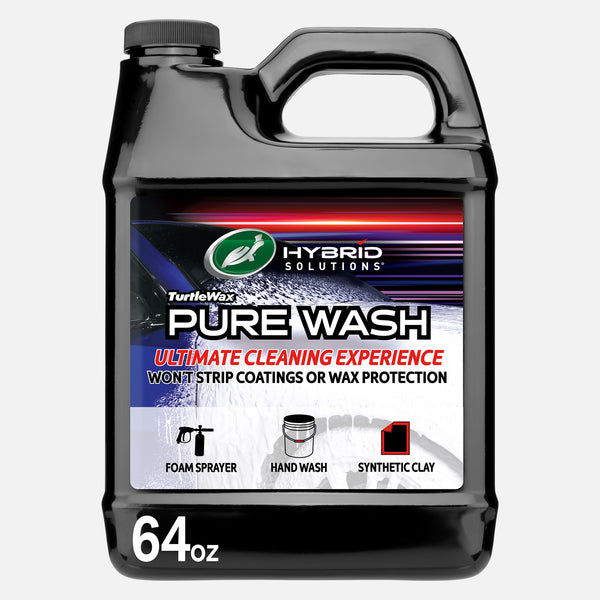
Collect all tools before you start. You will need a clay bar, clay lubricant or detailing spray, car shampoo, microfiber towels, and a bucket. Having everything ready saves time and keeps the process simple. Avoid using household soaps that can strip wax.
Washing And Drying
Wash your car thoroughly with car shampoo and water. Focus on removing dirt, brake dust, and road grime. Use a soft sponge or mitt to avoid scratches. Rinse well and dry with a clean microfiber towel. Ensure the surface is dry to prevent water spots during clay waxing.
Choosing The Right Location
Pick a shaded, well-ventilated place to work. Direct sunlight can dry the lubricant too fast. Avoid dusty or windy areas to keep dirt off the car. A flat surface is best for safety and comfort. Prepare your workspace before starting clay waxing.
Selecting Clay Bar And Wax
Selecting the right clay bar and wax is crucial for a smooth and shiny car finish. These products remove dirt and protect your paint. Choosing the correct type saves time and avoids damage. Understanding different clay bars and waxes helps pick the best tools for your car’s needs.
Types Of Clay Bars
Clay bars come in several types. Each type varies in softness and grit level. Soft clay bars are gentle and remove light contaminants. Medium clay bars handle moderate dirt and are good for regular use. Firm clay bars remove tough contaminants but need careful handling. Use the right clay bar to avoid scratching the paint.
Picking The Best Wax
Wax protects and shines the car after claying. Paste wax lasts longer but needs more effort to apply. Liquid wax is easier to spread and quick to dry. Synthetic wax offers strong protection and shines well. Choose wax based on your time and desired shine level. Proper wax seals the surface and keeps it clean longer.
Using The Clay Bar
Using the clay bar is an important step in car waxing. It removes dirt and contaminants that washing alone cannot. This process makes the car surface smooth and ready for waxing. Understanding how to use the clay bar correctly protects the paint and improves shine.
Follow these steps carefully to get the best results and avoid damage.
Lubricating The Surface
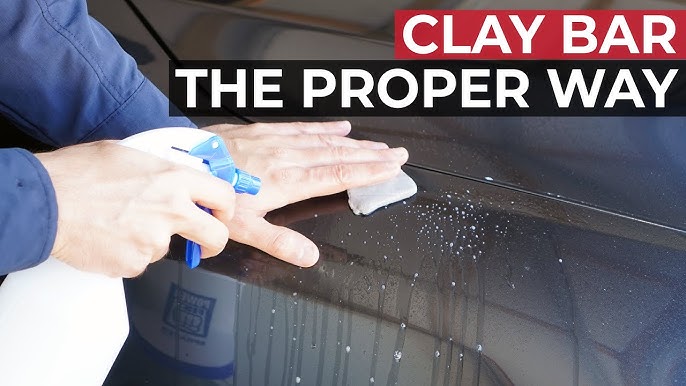
Always use a lubricant before applying the clay bar. Spray a generous amount on a small section of the car. This prevents the clay from sticking and scratching the paint. Never use the clay bar on a dry surface. Keep the area wet while claying for smooth movement.
Claying Technique
Gently glide the clay bar over the lubricated area. Use light pressure and slow, straight motions. Fold the clay bar often to expose a clean side. Avoid rubbing in circles, which can cause swirls. Focus on small sections for thorough cleaning.
Spotting Contaminants
Feel the surface after claying each section. It should feel smooth and slick. Rough or bumpy spots mean contaminants remain. Return the clay bar to those areas and repeat the process. Change the clay if it becomes dirty or sticky to avoid scratching.
Credit: www.youtube.com
Applying Wax
Applying wax is a key step after clay bar treatment. It protects the paint and adds a deep shine. Wax seals the surface, making it smooth and glossy. Proper application helps the wax last longer and look better. Follow clear steps to get the best results.
Wax Application Methods
Choose between a foam applicator, microfiber cloth, or spray wax. Foam pads spread wax evenly on flat surfaces. Microfiber cloths work well for small areas and curves. Spray wax is quick but may need more layers. Apply thin, even coats to avoid buildup.
Buffing For Shine
Wait for the wax to haze or dry lightly. Use a clean microfiber towel for buffing. Move in small circular motions to remove excess wax. Buffing brings out a deep shine and smooth finish. Avoid pressing too hard to prevent streaks.
Tips For Even Coverage
Work on one section at a time for best control. Use light pressure to spread wax evenly. Overlapping strokes help cover all areas without gaps. Avoid applying too much wax in one spot. Check in natural light to spot missed areas.
Maintaining The Finish
Maintaining the finish after clay waxing keeps your car looking smooth and shiny. The clay bar removes dirt and grime, and waxing protects the surface. To keep the shine long-lasting, follow some simple care steps. Clean your car regularly and protect the wax layer. Avoid habits that can damage the finish. This section explains how to care for your clay waxed car properly.
Regular Washing Tips
Wash your car often to remove dust and dirt. Use a gentle car shampoo with clean water. Avoid harsh soaps that strip wax from the surface. Use a soft sponge or microfiber cloth to prevent scratches. Rinse the car well to remove all soap. Dry the car with a clean towel to stop water spots. Regular washing keeps the wax layer fresh and protects the paint.
When To Reapply Wax
Check your car’s shine every few weeks. If water no longer beads on the surface, it is time to reapply wax. Wax usually lasts 4 to 6 weeks, depending on weather. Apply a thin layer of wax following product instructions. Allow it to dry, then buff with a soft cloth. Reapplying wax keeps your car glossy and shields the paint from dirt and UV rays.
Avoiding Common Mistakes
Do not wax your car in direct sunlight. The heat can cause streaks and uneven application. Avoid using dirty cloths; they can scratch the paint. Do not wash your car with household detergents. They damage the wax and paint layer. Avoid skipping drying after washing; water spots harm the finish. Follow these tips to keep your car’s finish perfect after clay waxing.
Troubleshooting
Troubleshooting is key to a smooth clay waxing process. Problems can arise, but simple fixes keep your car looking great. Understanding common issues helps you correct them quickly and avoid frustration.
Dealing With Streaks
Streaks often appear if you wax in direct sunlight. Work in shade or a cool area to prevent this. Use a clean microfiber cloth to buff the surface gently. Light pressure and circular motions remove streaks without damage. Avoid using too much wax; a thin layer works best.
Removing Residue
Wax residue can leave a dull film on your car’s surface. Wipe it off with a clean, dry cloth after the wax dries. Use a clay bar again if residue stays. Make sure the clay is lubricated well to avoid scratching. Residue often forms if you skip the buffing step.
Fixing Surface Imperfections
Surface imperfections like small scratches or rough spots reduce shine. Clay waxing can smooth these areas gently. Rub the clay bar over problem spots with light pressure and lubricant. For deeper scratches, consider a polishing compound after clay waxing. Regular clay waxing prevents buildup that causes imperfections.

Credit: www.rydellauto.com
Frequently Asked Questions
What Is Clay Waxing For Cars?
Clay waxing is a car detailing process using a clay bar to remove surface contaminants. It smooths the paint and enhances wax adherence, resulting in a shiny, clean finish.
How Often Should I Clay Wax My Car?
Clay waxing is recommended every 3 to 6 months. It depends on your car’s exposure to dirt and pollution. Regular clay waxing maintains paint clarity and smoothness.
Can I Clay Wax My Car At Home?
Yes, clay waxing can be done at home with proper tools. Watch tutorial videos on YouTube for step-by-step guidance. Always follow safety and preparation tips.
What Are The Benefits Of Clay Waxing?
Clay waxing removes bonded contaminants, dirt, and grime. It improves paint texture and wax longevity. It protects your car’s paint and enhances its overall appearance.
Conclusion
Clay waxing your car helps keep its surface smooth and shiny. It removes dirt and tiny particles that washing misses. Doing it carefully protects your paint and makes waxing easier. Take your time and follow the steps one by one.
Clean hands and soft cloths make a big difference. Your car will look cleaner and feel smoother after this process. Regular clay waxing keeps your car’s finish fresh and protected. Try it yourself and enjoy a nicer shine every time you drive.
Simple care brings great results.