

If you want your car to shine like new, mastering the hand bay car wash high pressure rinse is a game-changer. You might think it’s just about spraying water, but there’s a right way to do it that protects your paint and removes dirt faster.
In this guide, you’ll discover simple steps that make your rinse more effective and leave your car spotless. Ready to save time and get that perfect finish? Keep reading, because your car deserves the best care possible.
Preparing For The Rinse
Preparing for the high pressure rinse is an important step in hand bay car washing. It ensures the rinse is effective and safe for the vehicle’s paint. Taking time to prepare helps avoid damage and improves cleaning results.
Gathering Necessary Equipment
Start by collecting all tools needed for the rinse. You need a high pressure hose or pressure washer. A spray nozzle with adjustable settings works best. Have a bucket and soft cloths nearby for quick touch-ups. Safety gear like gloves and goggles protects your skin and eyes. Check all equipment for leaks or damage before use.
Choosing The Right Water Pressure
Select the water pressure carefully to avoid harming the car’s paint. Use a pressure level between 1200 to 1900 PSI for most vehicles. Lower pressure works well for delicate areas like windows and mirrors. Test the pressure on a small area first. Adjust the pressure if you see any paint chipping or water marks.
Setting Up The Rinse Area
Pick a shaded spot to prevent water spots from forming. Make sure the area has proper drainage to avoid puddles. Clear the space of any obstacles or debris. Position the car so water flows away from electrical parts. Keep the hose untangled and ready for easy movement during rinsing.
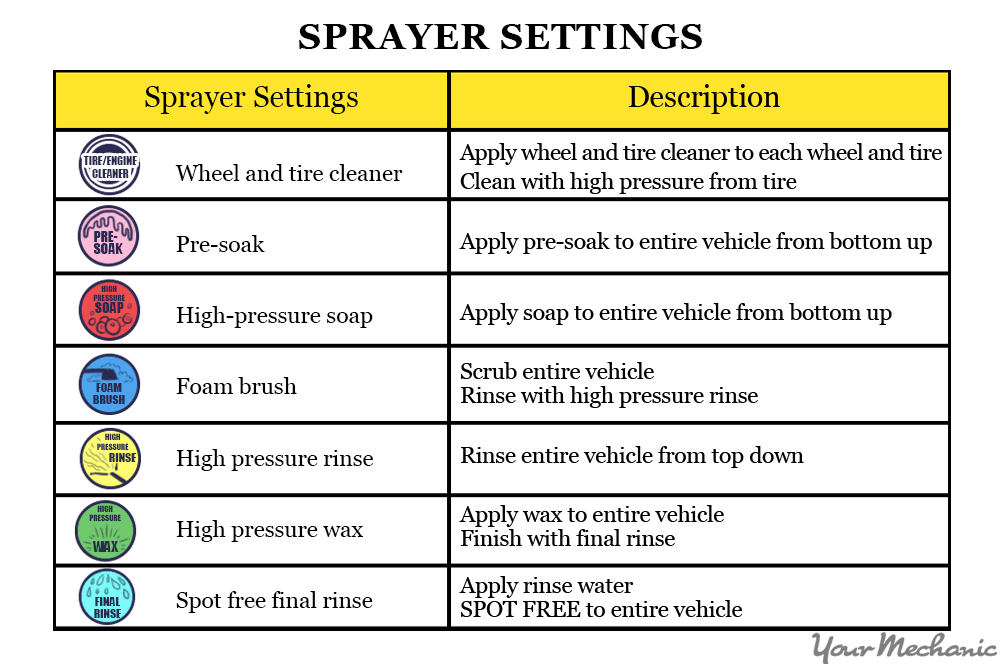
Credit: www.yourmechanic.com
Techniques For Effective Rinsing
Effective rinsing is key to a clean and shiny car after a hand bay wash. Using the right techniques helps remove soap and dirt completely. This protects the paint and gives a spotless finish. Focus on steady, thorough rinsing for the best results.
Starting From The Top
Always begin rinsing from the roof of the car. Water flows down, carrying dirt and soap off the surface. This avoids streaks and spots on lower parts. Cover the entire roof area before moving down.
Maintaining Consistent Pressure
Keep the water pressure steady throughout the rinse. Too much pressure can damage the paint or seals. Too little pressure leaves soap and grime behind. Adjust the nozzle to a balanced spray for smooth rinsing.
Using Proper Nozzle Angles
Hold the nozzle at a slight angle to the car surface. This helps water slide off, cleaning better. Avoid spraying straight on as it can push dirt into crevices. Move the nozzle slowly to cover all areas evenly.
Common Mistakes To Avoid
Doing a hand bay car wash with a high-pressure rinse can be very effective. Yet, some common mistakes can cause damage or reduce results. Avoid these errors to keep your car looking its best and prevent costly repairs.
Overusing Water Pressure
Using too much water pressure can harm your car’s paint and trim. High pressure may chip paint or force water into seals. Always use a moderate pressure setting. Test on a small area first. This protects your car’s finish and prevents damage.
Ignoring Sensitive Car Parts
Some car parts need extra care during rinsing. Avoid spraying directly on electrical components, air vents, and delicate trim. Water can cause malfunctions or rust in these areas. Use a gentle spray or clean by hand around these parts. This keeps your car safe and working well.
Rinsing In Direct Sunlight
Rinsing your car under direct sunlight can cause water spots. The water dries too fast, leaving marks on the paint. Choose a shaded area or wash early morning or late afternoon. This helps the water rinse off evenly and keeps your car shiny.
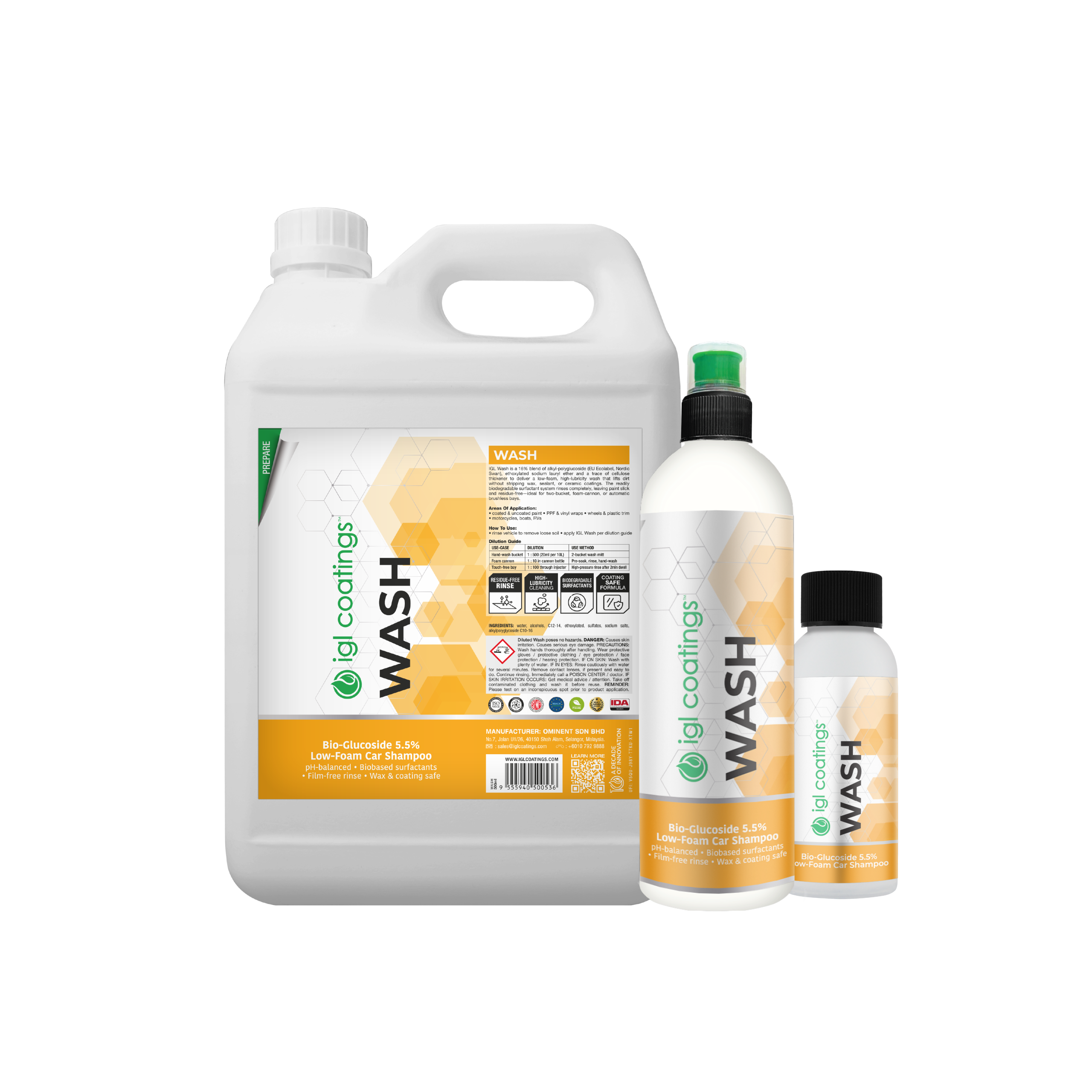
Credit: iglcoatings.com
Post-rinse Tips
After completing the high pressure rinse in a hand bay car wash, the job is not done yet. Post-rinse care helps keep the car spotless and protects its surface. These tips ensure your car stays clean longer and looks great.
Drying Techniques
Dry the car quickly to avoid water spots. Use a clean, soft microfiber towel for best results. Pat the surface gently instead of rubbing hard. Towels made for drying cars absorb water well. Air drying can leave marks, so avoid it.
Inspecting For Missed Spots
Look closely at the car after drying. Check under mirrors, around door handles, and near wheels. These areas often hold leftover dirt or water. Use a soft cloth to wipe any missed spots. Spotless cars look fresh and well cared for.
Applying Protective Coatings
Apply a wax or sealant to protect the paint. These coatings add shine and guard against dirt. Use a small amount and spread evenly with a foam applicator. Let it dry, then buff gently with a clean cloth. Protective coatings help maintain the car’s clean look longer.
Safety Precautions
Safety is the top priority during a hand bay car wash high pressure rinse. The water pressure can be very strong and may cause injury or damage. Taking the right safety steps protects you and the vehicle. It also helps keep the equipment in good shape.
Protecting Yourself
Wear safety glasses to shield your eyes from water and dirt. Use waterproof gloves to keep your hands safe. Avoid loose clothing that may get caught in equipment. Stand firm to keep your balance on wet surfaces. Always face the spray to control it better.
Preventing Damage To Vehicle
Keep the nozzle at least 12 inches from the car’s surface. Use a wide spray pattern to avoid harming the paint. Do not spray directly at sensitive parts like mirrors or lights. Move the spray steadily to prevent water spots. Check for cracks or weak spots before rinsing.
Handling Equipment Properly
Hold the spray gun with both hands for better control. Turn off the machine before changing nozzles or adjusting pressure. Store hoses carefully to avoid kinks and damage. Inspect equipment regularly for leaks or wear. Follow the manufacturer’s instructions for safe use.

Credit: www.amazon.com
Frequently Asked Questions
What Is A Hand Bay Car Wash High Pressure Rinse?
A high pressure rinse in hand bay car wash uses strong water jets. It removes loose dirt and soap effectively. This step ensures a thorough, clean surface before drying or waxing your car.
How Do I Prepare For A High Pressure Rinse?
First, pre-rinse your car to remove loose dirt. Next, apply soap and scrub gently. Finally, use the high pressure rinse to wash off all soap and grime efficiently.
What Pressure Level Is Ideal For Rinsing?
Use a pressure setting between 1000 to 1500 PSI. This range cleans effectively without damaging your car’s paint or trim. Always test on a small area first.
Can High Pressure Rinse Damage My Car?
If used correctly, it won’t damage the car. Avoid holding the nozzle too close or on one spot. Proper distance and pressure prevent paint or seal damage.
Conclusion
Using a high pressure rinse at a hand bay car wash cleans your vehicle well. It removes dirt and grime from hard-to-reach spots quickly. This method saves time and water compared to other washes. Remember to keep the nozzle at a safe distance to protect the paint.
Regular rinsing helps maintain your car’s shine and finish. Try this rinse to keep your car looking fresh and clean. Simple steps lead to great results. Clean car, happy driver!


