If you want your car to shine like new, using a pressure washer is one of the best ways to clean it quickly and effectively. But do you know how to wash your car with a pressure washer without causing damage?
Getting it right can save you time, protect your paint, and make your car look amazing. In this guide, you’ll learn simple steps that anyone can follow to wash a car with a pressure washer safely and easily. Keep reading to discover tips that will make your car cleaning routine faster and better than ever before.
Credit: www.turtlewax.com
Choosing The Right Pressure Washer
Choosing the right pressure washer is important for washing your car effectively. The right machine helps clean without causing damage. It saves time and water. Picking a washer that suits your needs ensures good results every time.
Types Of Pressure Washers
There are two main types: electric and gas-powered. Electric washers are lighter and quieter. They work well for small jobs like car washing. Gas washers are stronger and better for heavy-duty tasks. They are louder and heavier. For car washing, electric models usually work best.
Key Features To Consider
Look for pressure levels between 1200 and 1900 PSI. This range cleans dirt without hurting the paint. Check the water flow rate, measured in GPM (gallons per minute). A rate of 1.2 to 1.6 GPM is enough for cars. A long hose helps reach all car parts easily. Choose a model with adjustable nozzles for different spray patterns.
Safety Precautions
Always wear protective gear like goggles and gloves. Avoid spraying directly at people or animals. Never use high-pressure settings on delicate parts. Keep the washer away from electrical outlets. Turn off the machine before changing nozzles or cleaning it. Follow the instructions in the user manual carefully.
Preparing Your Car For Washing
Preparing your car for washing with a pressure washer is an important step. It helps protect your vehicle and ensures a better cleaning result. Taking time to prepare saves effort and prevents damage.
Start by checking your car’s surface and areas that need extra care. Clean off loose dirt and dust first. Cover parts that can get damaged by water pressure. Gather all cleaning tools before you begin.
Removing Loose Dirt
Use a soft brush or cloth to remove loose dirt. Focus on wheels, bumpers, and lower panels. Dirt in these areas can scratch your paint if not cleared. Removing it first makes washing easier and safer.
Protecting Sensitive Areas
Cover areas like air vents, lights, and door seals with plastic wrap or tape. These parts are sensitive to high water pressure. Protecting them stops water from entering and causing damage. Take care around electrical parts too.
Gathering Necessary Supplies
Collect all tools before starting the wash. You will need a pressure washer, cleaning soap, brushes, and microfiber towels. Check that the pressure washer has the right nozzle. Having everything ready speeds up the process.
Setting Up The Pressure Washer
Setting up your pressure washer correctly is key to a clean car and safe operation. Follow simple steps to prepare the machine before washing. Proper setup saves time and avoids damage.
Connecting Hoses And Nozzles
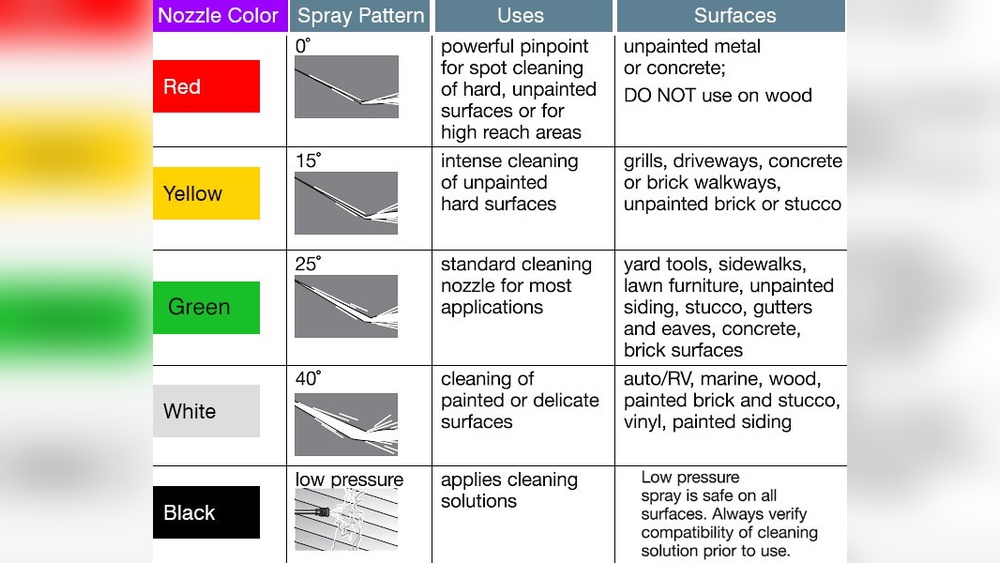
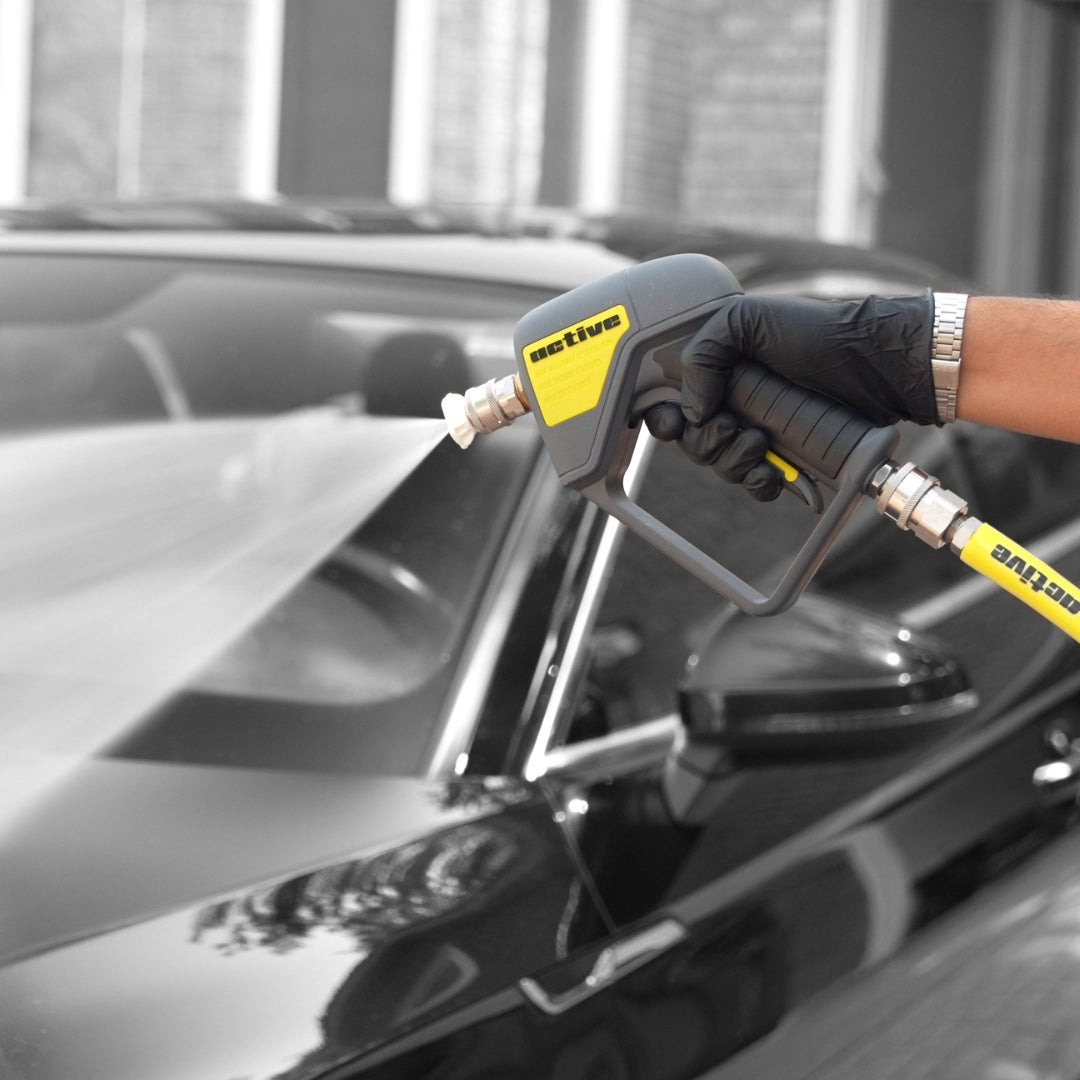
Attach the garden hose to the water inlet on the pressure washer. Make sure it fits tightly to stop leaks. Connect the high-pressure hose from the machine to the spray gun. Choose the right nozzle for your cleaning task. Snap the nozzle securely in place on the gun tip. Check all connections for firmness before turning on the water.
Adjusting Pressure Settings
Locate the pressure control knob on your washer. Turn it to the lowest setting to start. Increase pressure slowly to avoid damaging your car’s paint. Use lower pressure for delicate areas like windows and mirrors. Higher pressure suits wheels and dirtier spots. Adjust settings based on surface and dirt level.
Testing Water Flow
Turn on the water supply fully before powering the washer. Pull the trigger on the spray gun to release air and water. Watch for steady, strong water flow without sputtering. Check for leaks along hoses and connections. Test spray on a small car area. Confirm pressure is safe and effective for cleaning.
Credit: activeproducts.com
Step-by-step Washing Process
Cleaning your car with a pressure washer is easy if you follow the right steps. This step-by-step washing process helps remove dirt and grime without damaging the paint. Each stage plays a vital role in making your car look fresh and clean.
Rinsing The Car
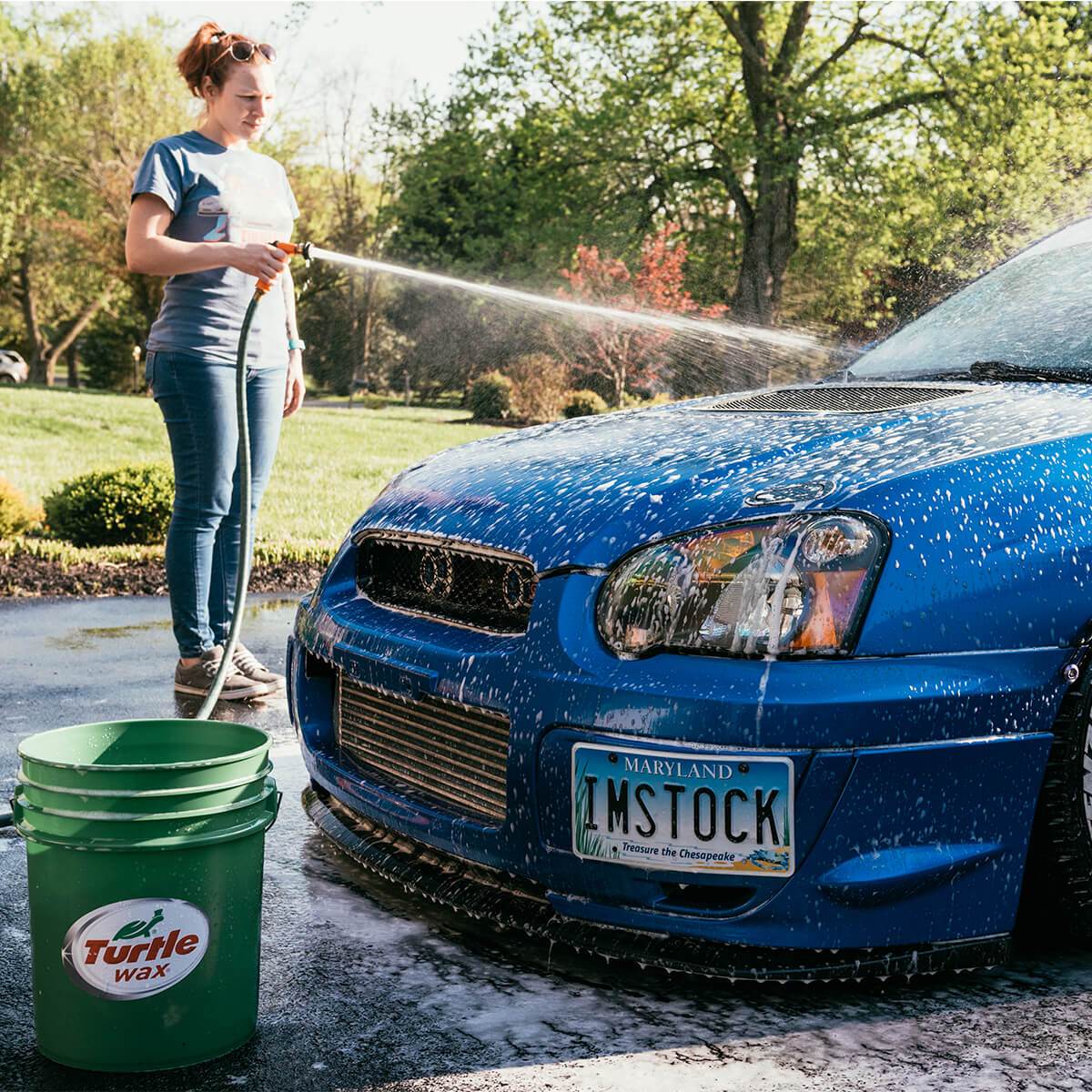
Start by rinsing the car with clean water. Use the pressure washer on a low setting. This removes loose dirt and dust from the surface. Rinse from top to bottom for best results. Avoid holding the nozzle too close to prevent paint damage.
Applying Detergent
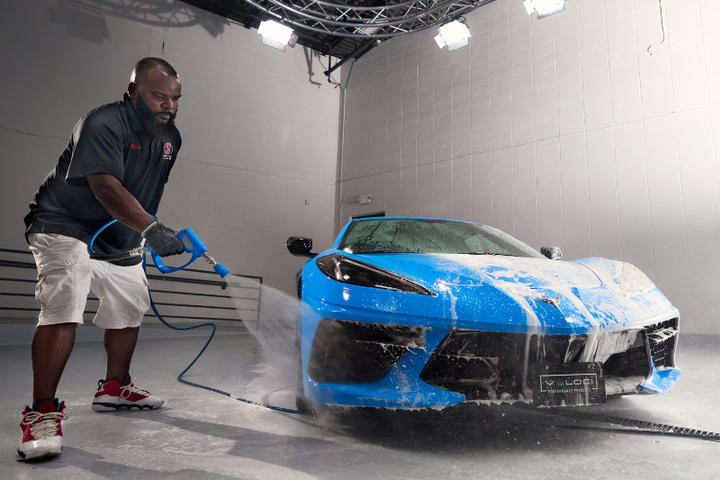
Next, apply car detergent using the pressure washer’s soap nozzle. Use a detergent designed for cars to protect the paint. Cover the entire car evenly with foam or spray. Let the detergent sit for a few minutes to break down dirt.
Scrubbing Stubborn Spots
Check for tough spots like bug splatters or bird droppings. Use a soft sponge or brush to gently scrub these areas. Avoid hard scrubbing to protect the paint. Work carefully to remove all stubborn dirt before rinsing.
Final Rinse
Finish by rinsing off all soap and dirt with clean water. Use the pressure washer on a medium setting for this step. Rinse thoroughly to avoid soap residue. Dry the car with a soft cloth or chamois to prevent water spots.
Drying And Finishing Touches
Drying your car after using a pressure washer is very important. Water spots can form if you leave your car wet. Proper drying helps keep your car’s paint smooth and clean. Finishing touches make your car look great and protect it longer.
Using Microfiber Towels
Microfiber towels are soft and absorb water well. Use them to gently wipe your car’s surface. They reduce scratches and remove water quickly. Always use clean towels to avoid dirt marks. Dry your car in sections to cover all areas.
Waxing For Shine
Wax adds a shiny layer and protects your paint. Apply wax with a soft cloth in small circles. Let it dry for a few minutes before buffing it off. Wax helps repel water and dirt next time you wash. It keeps your car looking newer for longer.
Cleaning Wheels And Tires
Wheels and tires gather dirt and brake dust. Use a brush and cleaner to scrub them well. Rinse off the cleaner with water after scrubbing. Dry tires with a towel to prevent water marks. Clean wheels and tires improve your car’s overall look.
Maintaining Your Pressure Washer
Maintaining your pressure washer keeps it working well for a long time. Regular care stops problems before they start. It also saves money on repairs and new parts. Follow simple steps after every use. This helps the machine stay clean and ready.
Cleaning After Use
Turn off the pressure washer and unplug it. Remove the nozzle and clean dirt from it. Run clean water through the machine to clear soap and debris. Wipe down the outside with a damp cloth. Check the hose for cracks or blockages. Cleaning stops clogs and damage inside the machine.
Storing Properly
Store your pressure washer in a dry place. Keep it away from direct sunlight and rain. Coil the hose loosely to avoid kinks. Drain all water to stop freezing in cold weather. Cover the machine with a cloth or plastic sheet. Proper storage protects parts and extends the washer’s life.
Troubleshooting Common Issues
Pressure washer won’t start? Check the power source and fuel. Low pressure? Clean the nozzle and check the hose for leaks. Water not spraying? Clear any blockages in the spray gun. Strange noises? Inspect the pump and engine for damage. Fix small problems early to avoid costly repairs.
Credit: www.mtmhydroparts.com
Frequently Asked Questions
How Do I Prepare My Car For Pressure Washing?
Before pressure washing, remove loose dirt and debris manually. Close windows and doors tightly. Avoid delicate parts like mirrors and seals. Use a car-friendly detergent for better cleaning results.
What Pressure Setting Is Safe For Washing Cars?
Use a low-pressure setting between 1200 to 1900 PSI. High pressure can damage paint and decals. Always test on a small area first. Maintain a safe distance of 12-18 inches from the surface.
Can I Use Hot Water With My Pressure Washer?
Yes, hot water improves cleaning power for grease and grime. Ensure your pressure washer supports hot water use. Hot water also helps dissolve detergents faster for better results.
What Detergent Should I Use With A Pressure Washer?
Use a detergent specifically designed for cars. Avoid harsh chemicals that can strip wax or damage paint. Follow manufacturer instructions for dilution ratios. Rinse thoroughly after applying detergent.
Conclusion
Keeping your car pressure washer clean helps it last longer. Rinse off dirt and debris after each use. Check the nozzle and hose for clogs or damage. Store the washer in a dry, safe place to avoid rust. Regular care saves money and keeps your washer working well.
Simple steps can prevent big problems later. Take a few minutes to maintain your tool. Your washer will perform better every time you use it. Clean equipment means a cleaner car too.