

Want your car to shine like it just rolled off the showroom floor? Knowing how to do a wax polish on your car is the secret to making that happen.
A good wax polish not only boosts your car’s shine but also protects the paint from dirt, scratches, and harmful UV rays. Imagine turning heads every time you drive by, all because you took a few simple steps to care for your car.
In this guide, you’ll learn exactly how to apply wax polish the right way, saving you time and money while giving your car a stunning finish. Ready to make your car look amazing? Let’s get started!
Choosing The Right Wax
Choosing the right wax is key to a shiny and protected car surface. The right wax enhances your car’s paint and keeps it safe from dirt and damage. Not all waxes are the same. Knowing the types and their uses helps you pick the best one for your car.
Types Of Car Wax
Car wax comes in several forms. Paste wax offers a thick layer of protection and lasts long. Liquid wax is easy to apply and spread evenly. Spray wax is quick and perfect for touch-ups. Each type works differently on your car’s surface.
Wax For Different Paint Finishes
Some waxes suit certain paint finishes better. Glossy paint looks best with wax that adds shine. Matte paint needs wax that does not add gloss but protects well. Clear coat paint requires gentle wax to avoid damage. Choose wax based on your car’s finish.
Natural Vs Synthetic Waxes
Natural waxes come from carnauba, a plant-based source. They give a deep shine but wear off faster. Synthetic waxes are made from polymers. They last longer and protect better against harsh weather. Both types have pros and cons for your car care.
Preparing Your Car
Preparing your car is the first step to a perfect wax polish. A clean, smooth surface helps the wax stick better and last longer. Take time to get rid of dirt and old residues. This makes your car shine brighter and protects its paint.
Washing And Drying
Start with a thorough wash using car shampoo. Avoid household soaps that can strip wax and damage paint. Use a soft sponge or microfiber cloth. Rinse well to remove all soap and dirt. Dry the car with a clean microfiber towel. Make sure no water spots remain. Drying prevents streaks and helps wax spread evenly.
Removing Old Wax And Contaminants
Old wax can block the new wax from bonding properly. Use a wax remover or a gentle polish to clear it off. This also removes grime and road tar stuck on the surface. Apply the remover with a soft cloth in small sections. Wipe it off and check for a clean, dull finish. This step ensures the wax holds well and shines more.
Clay Bar Treatment
The clay bar removes tiny particles that washing misses. These include tree sap, brake dust, and pollution. Wet the car surface with a lubricant or quick detailer spray. Rub the clay bar gently in straight lines. Feel the surface getting smoother as you work. This step gives a glass-like finish and helps wax last longer. Always use clean clay and replace it if dirty.
Tools And Materials Needed
Wax polishing a car requires the right tools and materials. These help you get a smooth, shiny finish. Using proper items saves time and effort. It also protects your car’s paint.
Applicator Pads
Applicator pads spread the wax evenly. Choose soft foam or microfiber pads. They prevent scratches on the car’s surface. Use a new pad for each wax type. This avoids mixing products and keeps results clean.
Microfiber Towels
Microfiber towels remove wax residue gently. They absorb wax without leaving lint. Use clean towels to avoid scratching the paint. Have several towels ready for buffing and wiping. Soft, thick towels work best for shine.
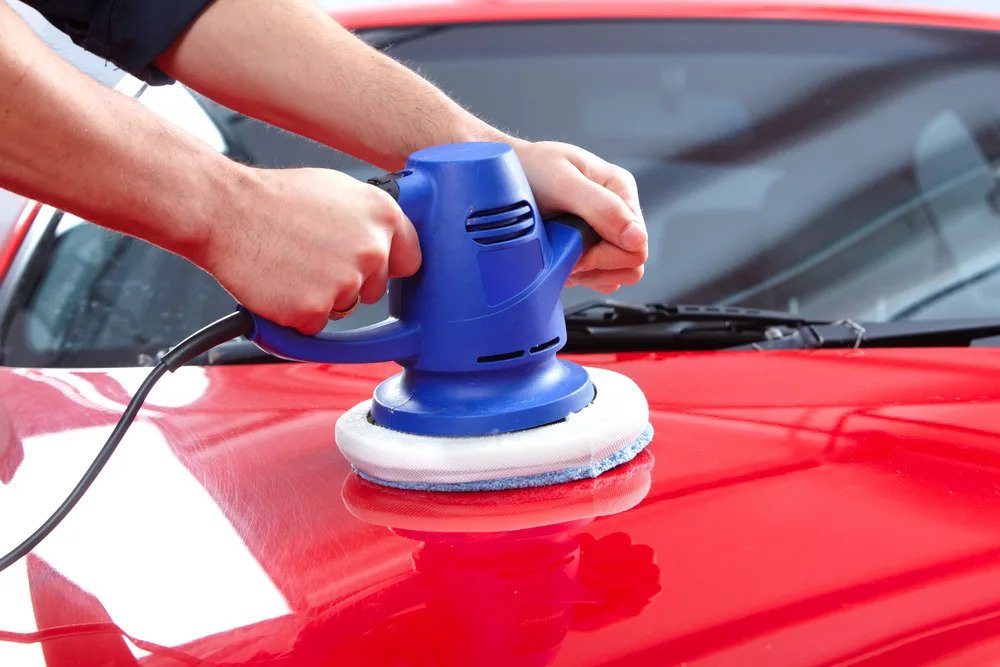
Buffers And Machines
Buffers speed up the waxing process. They apply wax evenly and polish fast. Choose a dual-action buffer for safety. It reduces the risk of damaging paint. Hand buffing works too but takes more time. Machines help get a professional finish.
Credit: ethoscarcare.com
Applying The Wax
Applying wax to your car is a key step to protect its paint and add shine. Doing it right helps the wax spread evenly and stick well. The process needs patience and care. Follow simple steps for the best results.
Working In Small Sections
Work on one small area at a time. About two feet by two feet is good. This helps you control the wax and avoid missing spots. It also stops the wax from drying too fast before you buff it.
Apply wax to the section, then move on only after finishing it. Small sections make the job easier and cleaner.
Proper Wax Application Techniques
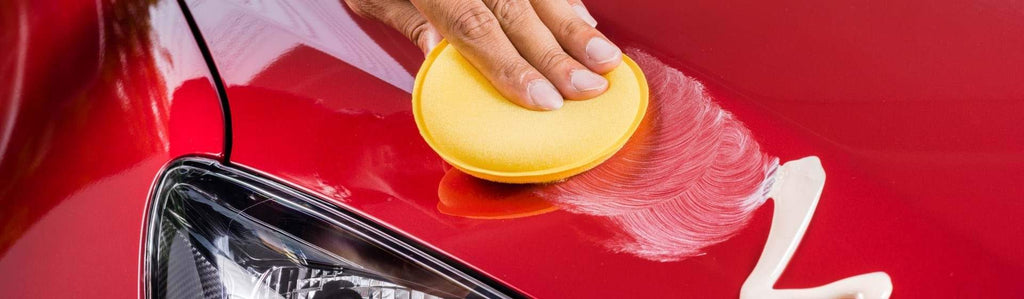
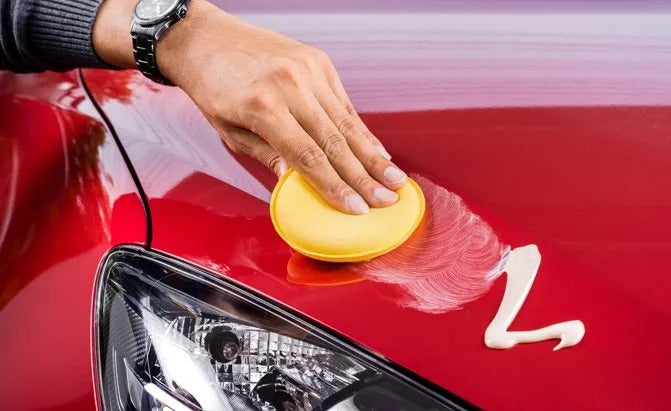
Use a soft applicator pad or cloth. Put a small amount of wax on it. Spread the wax with gentle, circular motions. This helps the wax cover every part evenly.
Don’t press too hard. Let the wax glide smoothly on the paint. Thin, even layers work best for shine and protection.
Avoiding Common Mistakes
Do not apply wax in direct sunlight. It makes the wax dry too quickly. Avoid thick layers of wax; they are hard to remove. Use clean cloths to stop scratches. Do not rush the process. Take your time for a smooth finish.
Buffing To A Shine
Buffing to a shine is the final step in waxing your car. It brings out the deep gloss and smooth feel that makes your car look new. This step removes any wax residue and enhances the paint’s natural color. Proper buffing helps protect your car and keeps it looking fresh longer.
Timing Before Buffing
Wait for the wax to dry but not too long. The wax should feel hazy or cloudy on the car’s surface. If it is still wet, the shine will not come out well. If it is too dry, buffing becomes hard and less effective. Usually, waiting 5 to 15 minutes is enough.
Buffing Methods
Use a clean, soft microfiber cloth or a foam applicator pad. Work in small sections with gentle circular motions. Avoid pressing too hard; let the cloth do the work. Some people use a mechanical buffer for bigger cars, but hand buffing is safer for beginners. Always buff until the wax haze disappears.
Achieving A Smooth Finish
Move the cloth evenly across the surface to avoid streaks. Change to a clean side of the cloth often. Check your work by tilting the car in the light. The surface should feel smooth and look glossy. If not, repeat buffing on dull areas. Smooth finish means better shine and longer protection.
Credit: www.turtlewax.com
Maintenance Tips
Maintaining a wax polish on your car is key to keeping its shine and protection strong. Regular care helps your car look fresh and guards against dirt and weather. Follow these simple tips to extend the life of your wax job and keep your car’s paint bright.
Frequency Of Waxing
Wax your car every three to four months. This timing keeps the wax layer active and shields the paint. If you live in harsh weather, wax more often. Too much waxing can build up layers, so avoid overdoing it.
Quick Touch-ups
Use a spray wax for quick shine boosts. Spray wax is easy and fast for small areas. Apply it after washing to keep the surface smooth. This helps maintain the polish between full waxing sessions.
Protecting Your Wax Job
Park your car in the shade to protect wax from sun damage. Avoid parking under trees that drop sap or bird droppings. Clean off dirt and grime gently with a soft cloth. This keeps the wax layer intact and your paint safe.
Troubleshooting Waxing Issues
Waxing your car gives it a shiny, fresh look. Sometimes, problems happen during waxing. These issues can make your car look dull or uneven. Fixing these problems is easy with the right steps. Here are common waxing issues and how to solve them.
Removing Haze And Streaks
Haze and streaks appear if wax is not wiped off properly. Use a clean microfiber cloth to buff the surface. Wipe in small, circular motions to clear the haze. Work under shade or cool conditions to avoid streaks. Use less wax next time to prevent buildup.
Dealing With Uneven Shine
Uneven shine happens when wax is applied too thick or unevenly. Apply thin, even layers using a foam applicator pad. Move the pad in small circles to cover all areas. Allow wax to dry before buffing. Check the surface in natural light to spot missed spots.
Fixing Wax Build-up
Wax build-up looks like cloudy patches on the car’s paint. Use a wax remover or polish to clean the surface. Apply gently with a soft cloth and rub until build-up fades. Rinse the area with water and dry it well. Avoid heavy layers of wax in future applications.
Credit: ethoscarcare.com
Frequently Asked Questions
What Is The Best Wax Polish For Cars?
The best wax polish for cars depends on your needs. Carnauba wax offers a natural shine, while synthetic wax lasts longer. Choose based on your car’s paint type and desired finish. Always pick a reputable brand for quality results.
How Often Should You Wax Your Car?
Wax your car every 3 to 4 months for optimal protection. Frequent waxing maintains shine and protects paint from UV rays and dirt. If you live in harsh climates, consider waxing more often to keep your car looking new.
Can Wax Polish Remove Minor Scratches On Cars?
Yes, wax polish can help hide minor scratches by filling them. It doesn’t remove deep scratches but improves the paint’s appearance. For deeper damage, consider professional polishing or paint correction for better results.
Is It Necessary To Wash The Car Before Waxing?
Yes, washing the car before waxing is essential. It removes dirt, grime, and contaminants that can interfere with wax application. A clean surface ensures better wax adhesion and a smoother, longer-lasting finish.
Conclusion
Wax polishing keeps your car shiny and protected. Clean the car fully before waxing. Apply wax in small sections for best results. Use soft cloths to spread and buff the wax. Regular waxing helps prevent paint damage and fading. It also makes washing easier and faster.
Take your time, and enjoy the smooth finish. Your car will look fresh and well cared for. Simple steps lead to great results every time. Try waxing your car today and see the difference.

