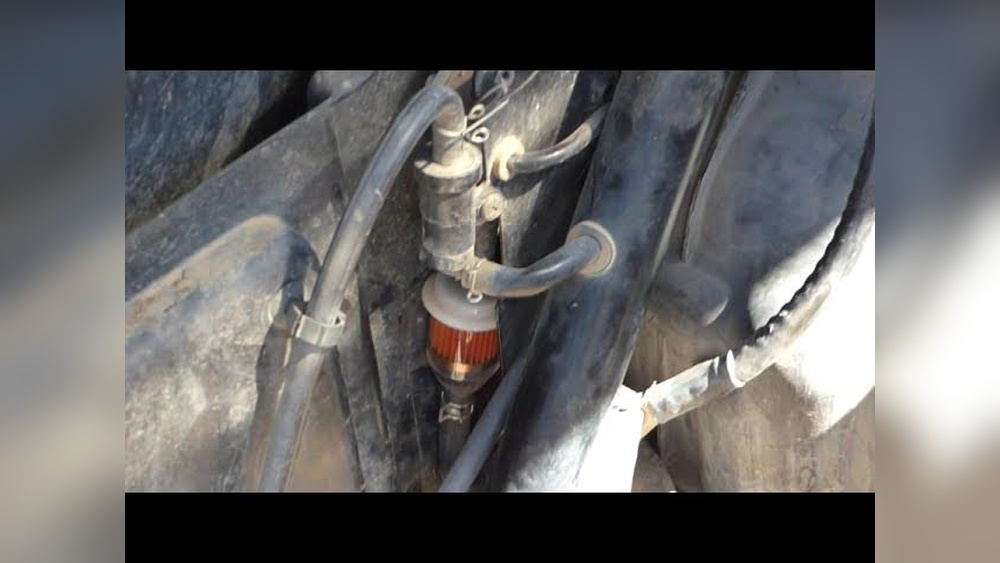
If you’re working on your vehicle’s fuel system, you know that removing fuel filter clips can be tricky. These small parts hold the fuel filter in place, and if you don’t handle them right, you might damage the clip or the fuel line.
But don’t worry—this guide will show you simple, step-by-step methods to remove your fuel filter clips safely and quickly. By the end, you’ll feel confident tackling this task on your own and saving time and money on repairs. Ready to make your next car maintenance job easier?
Let’s dive in.
Tools Needed
Removing fuel filter clips needs the right tools. Using correct tools makes the task easier and safer. Without proper tools, you risk damaging parts or hurting yourself. Prepare your workspace and gather tools before you start. Here is what you need.
Essential Tools List
A pair of needle-nose pliers helps to grip and pull clips.
Flathead screwdriver aids in prying clips gently.
Fuel line disconnect tool fits many fuel filter clips.
Rag or cloth cleans any fuel spills during the process.
A small container holds removed clips safely.
Safety Gear
Wear safety goggles to protect your eyes from fuel spray.
Use gloves to keep hands clean and avoid fuel contact.
Work in a well-ventilated area to avoid inhaling fumes.
Keep a fire extinguisher nearby for emergencies.

Credit: www.reddit.com
Locate The Fuel Filter Clips
Locating the fuel filter clips is the first key step in removing the fuel filter safely. These clips hold the filter in place and must be found before you can detach it. Knowing where to look helps avoid damage to the fuel system and ensures a smooth process.
Finding The Fuel Filter
The fuel filter usually sits along the fuel line under the car or near the engine bay. Check the vehicle’s manual for the exact position. It looks like a small cylinder or canister connected to two fuel lines. The filter is often close to the fuel tank or engine, depending on the car model.
Identifying Clip Types
Fuel filter clips come in different shapes and sizes. Some are plastic clamps that snap on, while others are metal clips that press or slide to release. Recognizing the clip type helps decide the tools needed. Use gentle pressure to avoid breaking plastic clips. Metal clips may need pliers or a special tool for removal.
Prepare The Vehicle
Preparing your vehicle before removing fuel filter clips is very important. It helps keep you safe and makes the job easier. Take time to get everything ready. Follow these steps carefully to avoid problems.
Relieve Fuel System Pressure
Fuel systems hold pressure even after the engine is off. This pressure can spray fuel when you remove clips. To stop this, relieve the pressure first. Locate the fuel pump fuse in the fuse box. Remove the fuse and start the engine. The engine will stop after running briefly. This means the pressure is gone. Turn off the ignition and reconnect the fuse.
Ensure Vehicle Stability
Keep your vehicle steady while working. Park on a flat surface and apply the parking brake. Use wheel chocks to block the wheels. This stops the car from moving unexpectedly. If you raise the vehicle, use strong jack stands. Never rely only on a jack. Check that the car does not wobble before starting the task.
Removing The Clips
Removing the fuel filter clips is a key step in changing or cleaning your fuel filter. These clips hold the filter firmly in place on the fuel lines. Taking them off carefully helps avoid damage to the filter or fuel lines. The process can be simple with the right approach and tools.
Manual Removal Techniques
Start by locating the clips on both sides of the fuel filter. Use your fingers to press or squeeze the clip gently. Some clips slide off easily by pushing them sideways. Others may need a slight twist or pull to release. Work slowly to avoid breaking the plastic clips.
Wear gloves to protect your hands from fuel or dirt. If the clips feel stuck, try wiggling them back and forth. This motion helps loosen the grip without forcing the clip off. Take your time and keep the clips intact for reinstallation.
Using Pliers Or Clip Tools
Pliers or special clip removal tools can make the job easier. Use needle-nose pliers for better control in tight spaces. Grip the clip firmly but gently, then pull it away from the fuel filter. Avoid squeezing too hard to prevent cracking the clip.
Clip removal tools are designed to fit around the clip and release its hold smoothly. Insert the tool’s tips under the clip and squeeze to open it. This method reduces the risk of damage and speeds up removal. Clean tools before use to avoid dirt entering the fuel system.
Handling Stubborn Clips
Fuel filter clips can be tough to remove, especially if they have been in place for a long time. Rust, dirt, and tight fittings make clips stubborn. Handling these clips carefully saves time and avoids damage. Use the right tools and techniques to loosen clips without breaking them. Patience helps a lot.
Applying Lubricants
Spray a small amount of lubricant on the clip joints. This helps loosen rust and dirt. Let the lubricant sit for a few minutes. It seeps into tight spaces and softens stuck parts. Use a lubricant designed for metal parts, like WD-40. Avoid using too much; a little goes a long way. After applying, try to move the clip gently to check if it loosens.
Avoiding Damage
Use tools that fit well to prevent slipping. Pliers with a good grip work best. Avoid using excessive force that can break the clip or damage the fuel line. Do not pry clips with sharp objects that might cause scratches or cracks. Work slowly and carefully. If the clip still won’t move, apply lubricant again and wait. Protecting the fuel system parts is important for safety and performance.
Reinstalling Or Replacing Clips
Reinstalling or replacing fuel filter clips is important to keep the fuel system safe. Old clips can break or lose grip, causing leaks or fuel flow problems. Proper clip installation ensures the filter stays in place and works well.
Choosing New Clips
Pick clips that match the size and shape of the original ones. Use clips made from strong materials like metal or durable plastic. Avoid cheap or worn-out clips. Check the vehicle manual for the right clip type. Correct clips prevent fuel leaks and keep the filter secure.
Securing Clips Properly
Place the clip carefully around the fuel filter and fuel lines. Push the clip until it snaps into place firmly. Make sure it holds the filter tightly without gaps. Test by gently pulling the filter to see if it moves. Properly secured clips stop fuel leaks and keep the engine running smooth.
Final Checks
After you remove the fuel filter clips and replace the filter, final checks are important. These steps help make sure the fuel system works safely and correctly. Take your time and follow each step carefully. This will avoid any fuel leaks or engine problems.
Inspecting For Leaks
Check all connections around the fuel filter. Look closely for any signs of fuel dripping or wet spots. Use a clean cloth to wipe around the filter area. Watch for fresh fuel stains or smells. If you find any leaks, tighten the clips or fittings again. Never start the engine if a leak is present. Safety first.
Testing Fuel System
Turn the ignition key to the “on” position without starting the engine. This lets the fuel pump push fuel through the system. Listen for the pump sound for a few seconds. Check the fuel filter area again for leaks. If everything looks dry, start the engine. Let it run for a few minutes to confirm smooth fuel flow. The engine should run steady without hesitation or sputtering. If it runs rough, recheck the filter and clips. Proper fuel flow means your job is done well.

Credit: www.youtube.com
Safety Tips
Safety is very important when removing fuel filter clips. Fuel is flammable and can cause serious harm. Taking simple safety steps helps avoid accidents. Always work in a well-ventilated area. Keep fire sources far away. Wear gloves to protect your skin from fuel contact. Eye protection is also a good idea to stop fuel splashes.
Preventing Fuel Spills
Fuel spills can be dangerous and messy. Use a container to catch any dripping fuel. Avoid squeezing or pulling clips roughly. Gently release the clips to reduce fuel leaks. Have rags or paper towels ready to wipe small spills quickly. Clean up fuel drops immediately to prevent slipping or fire risks.
Proper Disposal Of Old Clips
Old fuel filter clips should not be thrown in regular trash. They may contain fuel residue and harm the environment. Place used clips in a sealed plastic bag. Take them to a local recycling center or hazardous waste facility. Following proper disposal rules helps keep the environment safe. It also complies with local laws about automotive waste.
Credit: f30.bimmerpost.com
Frequently Asked Questions
How Do I Safely Remove Fuel Filter Clips?
To safely remove fuel filter clips, first relieve fuel pressure. Use pliers or a flathead screwdriver to gently pry the clips off. Avoid excessive force to prevent damage. Always wear safety gloves and eye protection during the process.
What Tools Are Needed To Remove Fuel Filter Clips?
You typically need needle-nose pliers or a flathead screwdriver to remove fuel filter clips. Additionally, safety gloves and eye protection are recommended. Having a clean workspace and a container to catch fuel drips also helps maintain safety and cleanliness.
Can Fuel Filter Clips Be Reused After Removal?
Fuel filter clips are usually designed for single use and should be replaced. Reusing clips may lead to poor sealing and fuel leaks. Always install new clips when replacing the fuel filter to ensure a secure and safe connection.
How Do I Relieve Fuel Pressure Before Removing Clips?
Locate the fuel pump fuse or relay and remove it. Start the engine and let it run until it stalls. This releases fuel pressure. Always disconnect the battery to avoid sparks before working on the fuel system.
Conclusion
Removing fuel filter clips is simple with the right steps. Take your time and handle clips carefully to avoid damage. Use basic tools and follow safety tips for best results. Practice makes the process easier each time. Stay patient and focused during the task.
Keeping your fuel system clean helps your vehicle run smoothly. Try these steps next time you need to replace the fuel filter. You can do it yourself and save money. A little effort goes a long way.