
If you own a 7.3 diesel engine, you know how important it is to keep your fuel system clean and running smoothly. One key step is draining water from your fuel filter.
Water in the filter can cause serious engine problems, reduce performance, and even lead to costly repairs. But don’t worry—this task is easier than you might think. You’ll learn exactly how to drain water from your 7. 3 fuel filter quickly and safely, so you can protect your engine and keep your truck running strong.
Keep reading to discover simple steps that will save you time and money.

Credit: centrerest.com
Tools Needed
Draining water from the 7.3 fuel filter requires specific tools. These tools help make the job safe and effective. Having the right equipment saves time and prevents damage. Below is a list of essential tools for this task.
Basic Equipment
You need a few basic tools to start. A wrench helps loosen the drain plug. A container catches the water and fuel mix. Rags or paper towels clean spills quickly. A flashlight helps see in tight spaces. These tools keep the work neat and controlled.
Safety Gear
Safety is important during this job. Wear gloves to protect your hands from fuel. Safety glasses stop fuel from splashing into your eyes. Long sleeves protect your skin from contact. Good ventilation is key to avoid harmful fumes. These safety steps prevent injuries and keep you safe.

Credit: backwoodsdiesel.com
Locate The Fuel Filter
Locating the fuel filter on a 7.3-liter engine is the first step in draining water from it. The fuel filter removes dirt and water from the diesel fuel. Finding it quickly helps you maintain your engine and avoid damage. Knowing where the fuel filter sits makes the task easier and faster.
Finding The 7.3 Fuel Filter
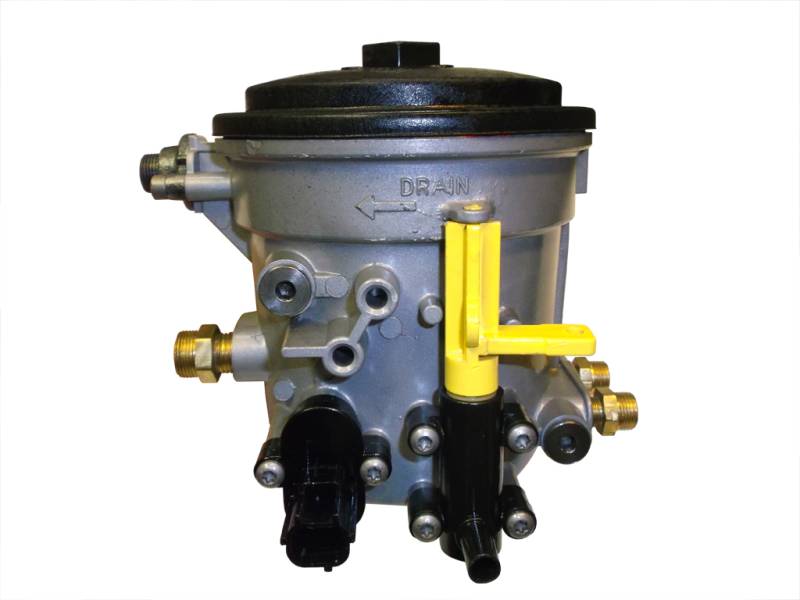
The 7.3 fuel filter is usually on the driver’s side of the engine. It looks like a small cylinder or canister. Check near the firewall or along the frame rail. Sometimes it is mounted under the hood or close to the fuel tank. Use a flashlight to spot it clearly in dark areas. The filter often has fuel lines connected to both ends.
Accessing The Filter Area
Clear any obstacles around the fuel filter. Remove engine covers or shields if needed. Wear gloves to protect your hands from fuel spills. Use tools like wrenches to open clamps or bolts. Make sure the engine is cool before touching the filter. Good access reduces spills and speeds up the draining process.
Prepare For Draining
Preparing to drain water from the 7.3 fuel filter is important for safety and efficiency. This step ensures that the process goes smoothly without spills or damage. Take time to follow these simple preparation steps before you start draining.
Relieve Fuel Pressure
Fuel pressure must be relieved before draining the filter. This stops fuel from spraying out and causing hazards. Start by turning off the engine and letting it cool down. Locate the fuel pump fuse or relay and remove it. Crank the engine for a few seconds to release pressure. This step makes draining safer and cleaner.
Set Up Drain Container
Use a container to catch the water and fuel mixture. Choose one that can hold enough fluid and is easy to handle. Place the container under the drain valve of the fuel filter. Make sure it is stable and will not tip over. This setup prevents spills and keeps your workspace clean.
Draining Water From The Filter
Draining water from the 7.3 fuel filter is important for engine health. Water in the fuel can cause rust and damage. Removing it keeps the engine running smoothly. Follow simple steps to drain the water safely and quickly.
Open The Drain Valve
Locate the drain valve at the bottom of the fuel filter. Use a wrench if needed to turn it gently. Open the valve slowly to avoid fuel spills. Keep a container ready to catch the draining liquid. This step releases water and sediment from the filter.
Remove Water And Sediment
Let the water and sediment flow out completely. You will see a mix of fuel and water draining. Close the valve once only clean fuel appears. Dispose of the waste safely and clean the area. Regular draining prevents blockages and fuel system issues.
Check For Contamination
Checking for contamination in the 7.3 fuel filter is important. It helps keep the engine running smoothly and avoids damage. Water and dirt can harm the fuel system. This section shows how to spot problems and take action.
Inspecting Fuel And Water Separation
Look closely at the fuel filter bowl. Clear fuel should separate from water and dirt. Water appears as a dark layer at the bottom. Fuel sits above it, usually clearer. If the layers mix or look cloudy, contamination exists. This means water or dirt entered the fuel system. Catching this early prevents engine trouble.
Repeat Draining If Needed
Drain the filter slowly to remove water and dirt. Watch for clean fuel flowing out. Stop when only clear fuel appears. Sometimes one drain is not enough. Check the bowl again after draining. If water or dirt remains, drain it again. Repeat until the fuel looks clean and clear. This keeps the filter working well and protects the engine.
Credit: ktperformance.net
Reassemble And Test
After draining water from the 7.3 fuel filter, reassembling and testing are crucial steps. These steps ensure your fuel system works well and stays leak-free. Follow the instructions carefully for a smooth process.
Close Drain Valve Securely
First, close the drain valve tightly. A loose valve can cause fuel leaks. Turn it clockwise until it stops. Check that it feels firm and sealed. This step prevents fuel spills and air entry into the system.
Start Engine And Check For Leaks
Next, start the engine and watch for leaks. Look around the fuel filter and drain valve areas. Run the engine at idle for a few minutes. If you see any fuel drops, turn off the engine immediately. Tighten the valve again and inspect the filter housing. Repeat the check until no leaks appear.
Maintenance Tips
Proper maintenance keeps the 7.3 fuel filter working well. It stops water damage and engine problems. Simple steps help extend the filter’s life and protect your engine.
Regularly Check Fuel Filter
Check the fuel filter often for water or dirt. Look at the clear bowl below the filter. If you see water, drain it quickly. Clean filters help your engine run smooth. Replace the filter if it looks very dirty or old.
Prevent Water Build-up
Water collects in the fuel tank and filter. Use clean fuel to reduce water. Keep the tank full to stop moisture. Store fuel in a dry place. Drain water from the filter before it causes problems. This saves time and money on repairs.
Frequently Asked Questions
How Do You Drain Water From A 7.3 Fuel Filter?
To drain water, locate the drain valve at the filter bottom. Open it carefully to release water and contaminants. Close the valve once clear fuel flows out. This prevents water damage and maintains engine performance.
How Often Should I Drain Water From The 7.3 Fuel Filter?
Drain water every 5,000 miles or during regular maintenance. Frequent draining prevents water buildup that can harm the fuel system and engine. Check your owner’s manual for specific intervals based on driving conditions.
What Tools Are Needed To Drain Water From A 7.3 Fuel Filter?
You need a container to catch water, a wrench for the drain valve, and gloves. These tools ensure safe and clean removal of water without spills or injuries.
Can I Drive With Water In The 7.3 Fuel Filter?
Driving with water in the fuel filter can cause engine misfires and damage. Water reduces fuel efficiency and can corrode engine parts. Always drain water promptly to avoid costly repairs.
Conclusion
Draining water from a 7. 3 fuel filter keeps your engine running well. Regular checks prevent fuel problems and engine damage. Take your time and follow the steps carefully. Clean fuel means better performance and longer engine life. Stay safe by wearing gloves and working in a ventilated area.
Keep your truck ready for the road every time. Simple maintenance saves you from costly repairs later. Try this process regularly to protect your engine’s health.


