

Are you curious about how much your car actually weighs? Knowing your car’s weight is more important than you might think.
It affects everything from fuel efficiency to safety and even how much tax you pay. But finding this number isn’t always as simple as it sounds. Don’t worry—this guide will show you easy and reliable ways to discover your car’s weight quickly.
Keep reading, and by the end, you’ll have the exact information you need, without any confusion or hassle.

Credit: thevehiclelab.com
Methods To Weigh A Car
Knowing the weight of a car is important for many reasons. It helps with safety, fuel efficiency, and legal compliance. There are several ways to find the weight of a car. Each method fits different needs and tools available. Understanding these methods helps you choose the best option for your situation.
Using A Vehicle Scale
A vehicle scale is a large, heavy-duty scale made for cars and trucks. You drive the car onto the scale platform. The scale then shows the exact weight of the vehicle. These scales are very accurate and easy to use. They are often found at truck stops or vehicle inspection stations.
Using A Public Weighbridge
A public weighbridge is a large platform scale available for public use. It is usually located at shipping yards or recycling centers. You drive your car onto the weighbridge. Staff will record the weight for you. This method is reliable and suitable for heavier vehicles. It may cost a small fee to use the service.
Using Portable Scales
Portable scales are smaller, mobile devices that can measure a car’s weight. You place the scale under each wheel and then add the readings. This method is flexible and can be done almost anywhere. Portable scales are less expensive than vehicle scales or weighbridges. They are useful for quick checks or remote locations.
Estimating Weight Without Scales
Finding the weight of a car without a scale is possible. It requires some research and simple calculations. These methods help estimate the weight fairly accurately. Knowing the car’s weight is useful for many reasons. For example, it helps with fuel efficiency and safety checks.
Checking Manufacturer’s Specifications
Car makers provide weight details in the owner’s manual. This is the easiest way to find the car’s weight. The manual often lists the curb weight. Curb weight means the car with all standard equipment and fluids. This number excludes passengers and cargo. Look for the manual in your glove box or online.
Using Online Databases
Many websites list car weights by model and year. These databases gather official data from car manufacturers. Simply enter your car’s make, model, and year. The site will show the estimated weight. Use trusted sites to get accurate information. This method works well for most common cars.
Calculating Based On Car Model And Year
Car weight changes with model and production year. Older models tend to be heavier due to design. Newer cars may use lighter materials. Find the base weight of a similar model from the same year. Adjust the weight if your car has extra features. This approach helps if no direct data is available.
Factors Affecting Car Weight
Car weight is not fixed. It changes based on several factors. Knowing these factors helps you estimate your car’s weight more accurately. Weight affects fuel efficiency, safety, and handling. Understanding what adds or reduces weight is important for every car owner.
Additional Accessories
Adding accessories increases car weight. Roof racks, spoilers, and heavy wheels add extra pounds. Even small items like seat covers or floor mats make a difference. These additions can raise the total weight by a noticeable amount.
Passenger And Cargo Load
The number of passengers changes the car’s weight. Each person adds their body weight. Cargo like bags, groceries, or tools also adds weight. Heavier loads make the car weigh more. Always consider the total load when checking weight.
Fuel Levels
Fuel weight varies with tank level. A full tank adds significant weight compared to an empty one. Gasoline weighs about 6 pounds per gallon. The more fuel, the heavier the car becomes. Fuel level must be included in weight calculations.
Why Knowing Your Car’s Weight Matters
Knowing your car’s weight is important for many reasons. It affects how your car drives and how safe it is. It also helps you save money on fuel and avoid legal problems. Understanding your car’s weight gives you better control and peace of mind.
Safety Considerations
Car weight affects braking distance and handling. A heavier car needs more time to stop. It can change how your car reacts in emergencies. Knowing the weight helps you drive safely and avoid accidents.
Fuel Efficiency Impact
Heavier cars use more fuel. The engine works harder to move extra weight. Knowing your car’s weight can help you manage fuel costs. Lighter loads can improve your car’s gas mileage.
Legal And Insurance Reasons
Car weight can affect your insurance rates. Some laws limit the weight your car can carry. Overloading your car can cause fines and penalties. Knowing the weight keeps you within legal limits and saves money.
Tips For Accurate Weight Measurement
Getting an accurate weight of a car is important for many reasons. It helps in understanding fuel efficiency, safety, and performance. Simple mistakes can lead to wrong results. Follow these tips to measure your car’s weight correctly.
Small steps before and during weighing can make a big difference. This guide shows how to prepare, pick the best time and place, and record your results carefully.
Preparing Your Car Before Weighing
Remove all extra items from inside the car. Take out heavy tools, bags, and any loose objects. Make sure the fuel tank is at a normal level, not empty or full. Check that tires are properly inflated. This keeps the weight close to real driving conditions.
Choosing The Right Time And Place
Pick a flat, hard surface for weighing. Avoid soft ground or slopes that affect the scale. Weigh your car at the same time of day. This helps keep conditions consistent, like temperature and fuel level. Avoid windy or rainy weather as it may cause errors.
Recording And Comparing Results
Take multiple readings to ensure accuracy. Write down each measurement carefully. Calculate the average weight from your readings. Compare with the manufacturer’s specifications. Small differences are normal, but large gaps may mean errors during weighing.
Credit: www.ntta.co.uk
Credit: www.mccluskeychevrolet.com
Frequently Asked Questions
How Can I Find My Car’s Weight Without A Scale?
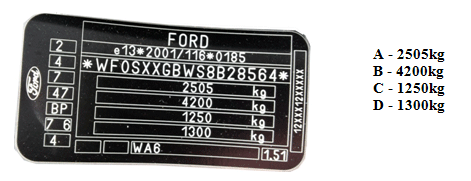
You can check the car’s manual or door sticker for the curb weight. Online vehicle databases also provide weight details by make and model.
Where Is The Car Weight Information Located?
Car weight is usually on the driver’s side door jamb sticker or in the owner’s manual. It lists the curb weight and sometimes the gross vehicle weight rating.
Why Is Knowing The Car’s Weight Important?
Car weight affects fuel efficiency, handling, and safety. It’s crucial for towing capacity and legal compliance with weight limits.
Can I Estimate Car Weight Using Its Size And Type?
Yes, approximate weight can be estimated based on car type and size. However, exact weight is best found through manufacturer specs or weighing.
Conclusion
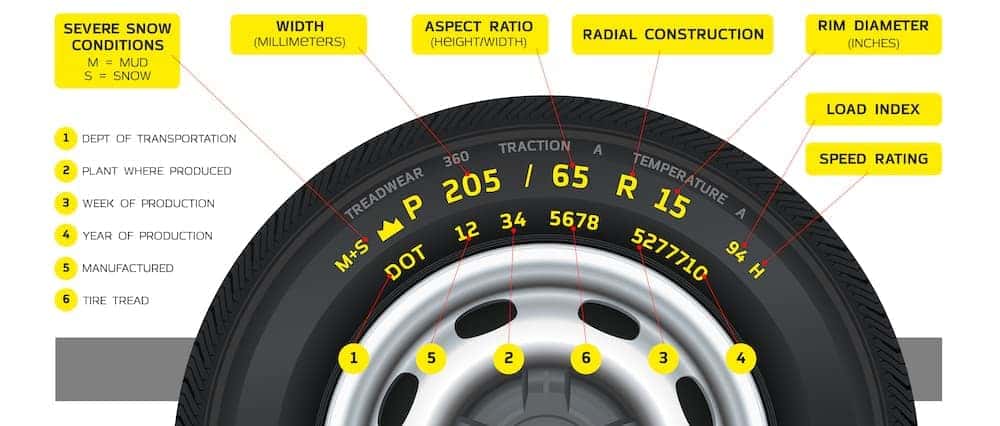
Finding a car’s weight is easier than many think. Check the owner’s manual or the door sticker. Use online tools or visit the manufacturer’s website too. Knowing the weight helps with fuel efficiency and safety. It also aids in choosing the right tires and carrying capacity.
Keep this information handy for trips or maintenance. Simple steps lead to smart decisions about your car. Now you can find your car’s weight quickly and easily.


