

Is your car’s paint looking dull, faded, or chalky? That’s a clear sign of paint oxidation—a common problem that can make even the nicest cars look old and worn out.
But here’s the good news: you don’t have to live with it. You can restore your car’s shine and protect it from further damage with simple steps you can do yourself. Keep reading, and you’ll learn exactly how to fix car paint oxidation, bring back that showroom finish, and make your car look amazing again.
Don’t let oxidation steal your car’s beauty—take control now!
Credit: oxideoff.com
Causes Of Car Paint Oxidation
Car paint oxidation happens when the paint surface breaks down and loses its shine. It makes the car look old and dull. Understanding what causes oxidation helps prevent damage and keeps the paint fresh longer.
Sun Exposure And Uv Damage
Sunlight contains ultraviolet (UV) rays that harm car paint. UV rays break down paint chemicals. This causes the paint to fade and become rough. Long hours in the sun increase this damage. Cars parked outside without shade face the most risk.
Environmental Pollutants
Pollutants in the air also damage car paint. Dust, dirt, and chemicals settle on the surface. These particles react with the paint and cause it to wear out. Acid rain and bird droppings are especially harmful. They eat away the paint and speed up oxidation.
Lack Of Proper Maintenance
Ignoring car cleaning and waxing leads to oxidation. Dirt and grime build up and trap moisture. Moisture breaks down paint layers over time. Regular washing removes harmful particles. Waxing adds a protective layer against sun and pollutants.

Credit: www.youtube.com
Signs Of Oxidized Paint
Oxidized paint on a car shows clear signs. Recognizing these signs early can save your car’s look and value. Paint oxidation happens when the clear coat and paint break down under sun and air. This causes the paint to lose its shine and protection.
Dull And Faded Surface
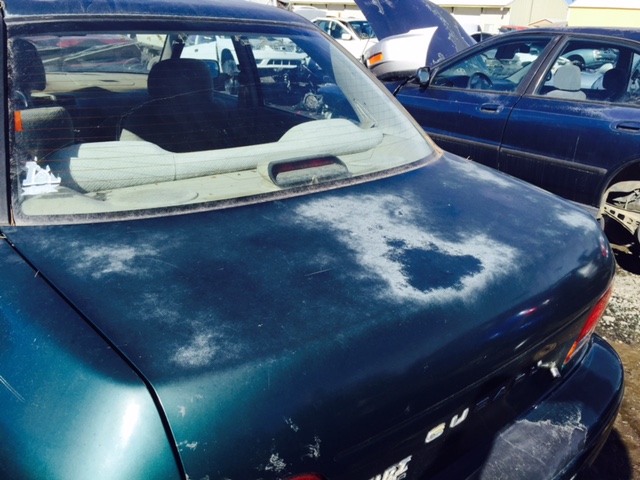
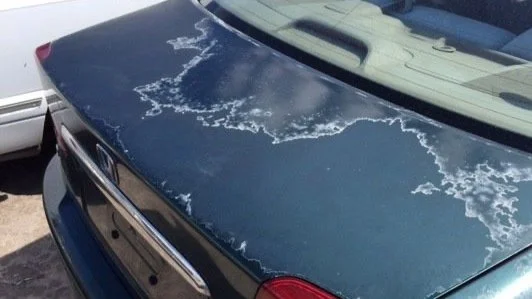
The first sign is a dull, faded surface. The paint no longer shines like it used to. Colors look washed out and lifeless. This happens because the paint loses its protective layer. Sunlight and oxygen damage the paint’s color and gloss.
Chalking And Flaking Paint
Chalking happens when the paint surface feels powdery. Tiny particles rub off on your hand. The paint may start to flake or peel. This shows the paint is breaking down and losing strength. It needs attention before the damage worsens.
Rough Texture
Oxidized paint often feels rough or gritty. The surface is no longer smooth to the touch. This happens as the clear coat erodes and the paint ages. A rough texture means the paint needs restoration or repainting soon.
Tools And Materials Needed
Fixing car paint oxidation needs the right tools and materials. Using proper supplies makes the job easier and gives better results. Gather everything before starting for smooth work. This section covers must-have items to restore your car’s shine.
Cleaning Supplies
Start with good cleaning supplies to remove dirt and grime. Use a car wash soap made for vehicles. Avoid household detergents that can harm paint. Have a soft sponge or microfiber cloth to clean gently. A bucket and water complete the basic setup. Clean paint is key before polishing.
Polishing Compounds
Polishing compounds remove oxidation and smooth the paint surface. Choose a compound suited for your car’s paint type. Use a foam or wool applicator pad to apply polish. Work in small sections for even coverage. Polishing brings back color and shine.
Wax And Sealants
Wax or sealants protect paint after polishing. They add a glossy finish and shield from sun damage. Use a quality car wax or synthetic sealant. Apply with a clean cloth and buff for best shine. Regular waxing keeps paint looking fresh longer.
Credit: www.fresh-layer.com
Step-by-step Repair Process
Fixing car paint oxidation involves several clear steps. Each step helps restore your car’s shine and protect its surface. Follow this simple process to bring back the paint’s original look.
Thorough Washing And Drying
Start by washing the car to remove dirt and grime. Use car soap and water for best results. Rinse well and dry with a clean cloth. A clean surface helps the repair products work better.
Sanding The Oxidized Areas
Lightly sand the oxidized spots with fine-grit sandpaper. Sand in small, circular motions. This removes the dull layer and smooths the surface. Clean the area again to remove dust.
Applying Polishing Compound
Apply a polishing compound to the sanded areas. Use a soft cloth or applicator pad. Rub gently but firmly to restore the paint’s shine. The compound helps remove fine scratches and oxidation.
Buffing For Shine
Buff the polished areas using a clean, soft cloth. Use circular motions to bring out a glossy finish. Buffing enhances the shine and smooths the surface further. Take your time for the best effect.
Sealing With Wax Or Sealant
Finish by applying wax or paint sealant. This protects the paint from future damage. Spread the product evenly and let it dry. Buff lightly again for a smooth, protective coat.
Preventing Future Oxidation
Preventing future oxidation is key to keeping your car’s paint shiny and healthy. Oxidation happens when paint loses its protective oils and fades from sun and air exposure. Taking simple steps helps protect your car from this damage. Regular care keeps the paint strong and vibrant longer.
Regular Washing Routine
Wash your car often to remove dirt and harmful substances. Dirt can hold moisture and chemicals that wear down paint. Use gentle car soap and soft cloths or sponges. Avoid harsh detergents that strip paint oils. Clean cars resist oxidation better. Dry the car fully after washing to stop water spots.
Using Protective Coatings
Apply wax or sealants to add a protective layer over the paint. This layer shields against sun rays and pollution. Wax should be applied every few months for best results. Paint sealants last longer and give a glossy finish. These coatings slow down oxidation and keep colors bright. Always follow product instructions for best use.
Parking Tips To Avoid Damage
Park in shaded or covered areas to reduce sun exposure. Direct sunlight speeds up paint fading and oxidation. Avoid parking under trees where sap and bird droppings can fall. These substances can eat away at paint. Use a car cover if no shade is available. Covering your car keeps it cleaner and safer from elements.
When To Seek Professional Help
Knowing when to seek professional help is important for fixing car paint oxidation. Some problems are easy to fix at home. Others need expert tools and skills. Recognizing the signs can save your car’s look and value.
Severe Paint Damage
Severe paint damage shows deep cracks or peeling. The paint may look dull and rough. Scratches that reach the metal need expert care. Professionals can handle damage that home kits cannot fix.
Restoration Options
Experts offer many restoration options. They can polish, buff, or repaint the car. Sometimes, they use special chemicals to remove oxidation. Professionals match the original paint color perfectly. They can also protect the car from future damage.
Cost Considerations
Professional restoration costs vary by damage size. Small fixes cost less than full repaint jobs. Think about the car’s value before spending. Sometimes, a professional fix saves money over time. Avoid cheap fixes that cause more harm later.
Frequently Asked Questions
What Causes Car Paint Oxidation?
Car paint oxidation happens when UV rays and oxygen break down the paint’s protective layer. This causes fading and dullness. Environmental factors like pollution and harsh weather speed up oxidation. Regular washing and waxing help slow this process and maintain paint quality.
How Can I Fix Oxidized Car Paint At Home?
To fix oxidized paint, start by washing the car thoroughly. Use a clay bar to remove contaminants. Apply a polishing compound with a microfiber cloth to restore shine. Finish with a high-quality wax to protect the surface from future oxidation.
Can Waxing Prevent Car Paint Oxidation?
Yes, waxing creates a protective barrier on your car’s paint. It blocks UV rays and reduces oxidation. Regular waxing every few months helps maintain the paint’s shine and durability. It’s an easy and cost-effective way to protect your car’s finish.
How Often Should I Treat Oxidized Paint?
Treat oxidized paint as soon as you notice dullness or chalkiness. For best results, polish and wax your car every 3 to 6 months. Frequent maintenance prevents further damage and keeps your paint looking fresh and vibrant.
Conclusion
Fixing car paint oxidation keeps your vehicle looking fresh. Regular cleaning and waxing protect the paint well. Using the right products restores shine and color. Small efforts prevent costly repairs later on. Take care of your car’s paint to enjoy its beauty longer.
Simple steps make a big difference in appearance. Your car deserves this easy, effective care.

