

Are you tired of your steering wheel feeling rough or slipping through your hands? A leather steering wheel cover can transform your driving experience by adding comfort, style, and grip.
But how do you get that perfect cover on without hassle or damage? In this guide, you’ll discover simple, step-by-step tips to fit a leather steering wheel cover quickly and securely. Keep reading to learn the easy way to upgrade your car’s interior and enjoy every drive like never before.

Credit: www.shearcomfort.com
Choosing The Right Cover
Choosing the right leather steering wheel cover is important for comfort and style. It improves your grip and protects your steering wheel. A good cover fits well and matches your car’s interior. Take time to pick the best one for your needs.
Types Of Leather Covers
Leather covers come in different types. Genuine leather is soft and durable. It feels natural and lasts long. Faux leather is cheaper and easier to clean. It looks good but may not last as long. Some covers combine leather with other materials for extra grip.
Size And Fit
Size matters for a good fit. Measure your steering wheel’s diameter before buying. Most covers fit wheels between 14 and 15 inches. A tight fit prevents slipping while driving. Loose covers can be dangerous and uncomfortable.
Color And Style Options
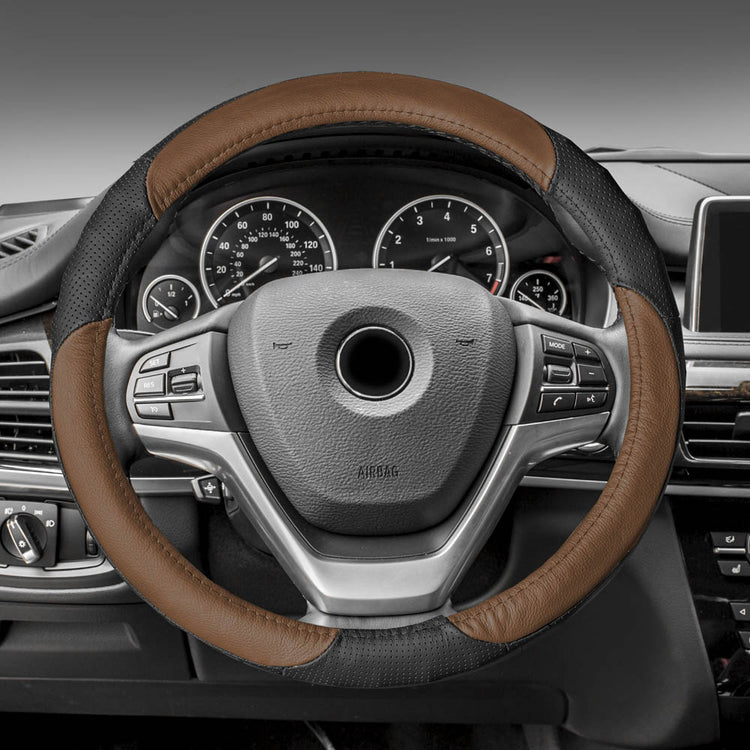
Leather covers come in many colors and styles. Black is classic and matches most cars. Brown gives a warm, vintage look. Some covers have stitching for added style. Choose a color that suits your car’s interior and your taste.
Preparing Your Steering Wheel
Preparing your steering wheel is the first step to fit a leather steering wheel cover properly. This step ensures the cover fits snugly and lasts longer. A clean, smooth surface helps the cover stick well and look great.
Cleaning The Surface
Start by wiping the steering wheel with a damp cloth. Remove dust, dirt, and oils from your hands. Use mild soap and water for tough grime. Avoid harsh chemicals that can damage the wheel.
Dry the steering wheel completely before moving on. Moisture can make the cover slip or not fit well. Take your time to ensure the surface is clean and dry.
Removing Old Covers
Check if there is an old cover on your steering wheel. Remove it carefully by pulling it off. Some covers may have clips or ties that need loosening first.
After removal, clean the wheel again to remove any leftover residue. This step prevents bumps and helps the new cover fit smoothly. A clean, bare wheel is ready for your new leather cover.
Tools You’ll Need
Getting a leather steering wheel cover on the right way needs a few tools. These tools make the process easier and help the cover fit snugly. Prepare these before you start to save time and avoid frustration.
Basic Tools
You will need a flathead screwdriver to lift any clips or trim. A pair of scissors helps trim any loose threads or tags from the cover. A clean cloth is important to wipe your steering wheel before installation. This keeps dust and dirt away for a better fit. Sometimes, a small screwdriver can assist with tight spots.
Optional Accessories
A needle and strong thread can be useful if your cover requires stitching. Use thread that matches the cover color for a neat look. Some covers come with a lace or string for tightening; having pliers helps pull the lace tight. You might also want a rubber mallet to gently tap the cover into place. Gloves can protect your hands during the process.
Credit: www.fhgroupauto.com
Step-by-step Installation
Installing a leather steering wheel cover is simple and quick. Follow these clear steps to fit it properly. This guide helps you avoid wrinkles and loose areas. It ensures a neat, firm fit for safe driving.
Positioning The Cover
First, hold the cover and place it on top of the steering wheel. Align the cover’s center with the wheel’s center. Make sure the leather side faces outward. Check that the cover’s seams match the wheel’s shape. This step sets the base for easy stretching.
Stretching Techniques
Start pulling the cover down evenly on all sides. Use both hands to stretch the leather slowly. Pull from the top, bottom, and sides in turns. Avoid pulling one side too much to prevent tears. Stretch the cover until it fits tightly around the wheel.
Securing The Cover
After stretching, adjust the cover to remove wrinkles. Press the cover firmly against the wheel surface. Check for loose spots and stretch these areas again. Make sure the cover fits snugly without gaps. The cover is secure when it stays in place during turns.
Troubleshooting Common Issues
Leather steering wheel covers can enhance your driving comfort and style. Sometimes, problems like a loose fit or wrinkles can occur. These issues can make the cover look bad or feel uncomfortable. Fixing these problems is easier than you think. This section helps you solve common issues quickly and simply.
Dealing With Loose Fit
A loose steering wheel cover can slip while driving. This is unsafe and annoying. Start by warming the cover with a hairdryer. The heat makes the leather more flexible. Stretch the cover evenly around the wheel. Use your hands to pull the cover tight. Let it cool down. The cover will shrink slightly and fit better. If it still feels loose, try adding a thin layer underneath. A cloth or foam strip can help fill space and tighten the fit.
Fixing Wrinkles And Bubbles
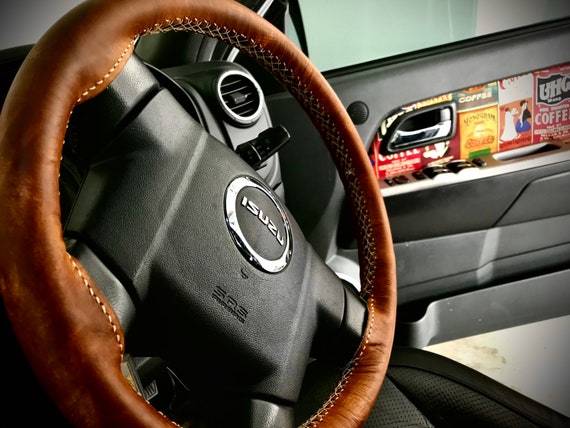
Wrinkles and bubbles spoil the look of your cover. Heat helps smooth these out. Use a hairdryer to warm the cover gently. Press the wrinkled areas with your hands. Move your fingers in small circles to flatten bumps. Avoid overheating the leather to prevent damage. If wrinkles stay, remove and reposition the cover. Pull the cover tight while placing it back. This reduces air pockets and smooths the surface. A well-fitted cover looks neat and feels good.
Credit: www.etsy.com
Maintaining Your Leather Cover
Maintaining your leather steering wheel cover keeps it looking fresh and lasts longer. Dirt, sweat, and sunlight can damage the leather over time. Regular care protects the cover from cracks and fading. Follow simple steps to keep your leather soft and clean.
Cleaning Tips
Use a soft cloth or microfiber towel to wipe the cover. Avoid harsh chemicals that can dry out the leather. Mix mild soap with warm water for gentle cleaning. Dampen the cloth, then wipe the steering wheel cover carefully. Do not soak the leather. Let it air dry away from direct sunlight or heat.
Conditioning Leather
Apply a leather conditioner every few months to keep the cover soft. Use a small amount on a clean cloth. Rub it gently into the leather with circular motions. Allow the conditioner to absorb fully before using the steering wheel. Conditioning prevents cracks and keeps the leather flexible. Use products made for leather to avoid damage.
Frequently Asked Questions
How Do I Choose The Right Leather Steering Wheel Cover?
Pick a cover that fits your wheel size perfectly. Check material quality and grip comfort. Choose a design that matches your car’s interior for the best look and feel.
What Tools Do I Need To Install A Leather Steering Wheel Cover?
No special tools are needed. Just clean your steering wheel first. A little patience helps while stretching the cover evenly for a secure fit.
How Long Does It Take To Put On A Leather Steering Wheel Cover?
It usually takes 5 to 10 minutes. Proper stretching ensures a tight fit without wrinkles. Taking your time prevents damage and improves durability.
Can A Leather Steering Wheel Cover Improve Grip And Comfort?
Yes, leather covers enhance grip and comfort. They reduce hand fatigue during long drives. Plus, they protect your steering wheel from wear and tear.
Conclusion
Getting a leather steering wheel cover on is simple and quick. Start by cleaning your wheel to ensure a good fit. Stretch the cover evenly around the wheel, taking care to avoid wrinkles. Make small adjustments until it feels snug and secure.
A leather cover adds comfort and style while protecting your steering wheel. Enjoy a better grip and a fresh look every time you drive. With these easy steps, your car feels nicer and more personal. Give it a try, and see the difference yourself.


