

Are you tired of your steering wheel feeling worn out or slipping through your hands? A steering wheel cover can fix that, but buying one might not always fit your style or budget.
What if you could make your own, perfectly tailored to your taste and comfort? Learning how to stitch a steering wheel cover yourself is easier than you think—and it gives you full control over the look and feel. Keep reading, and you’ll discover simple steps that turn a plain wheel into something stylish and cozy, all while saving money and adding a personal touch to your car.
Ready to get started? Let’s dive in!
Materials Needed
Stitching a steering wheel cover requires the right materials. Good materials make the process easier and the final cover durable. Prepare everything before you start. This helps you avoid interruptions and mistakes.
Focus on quality and comfort. The materials should fit your steering wheel well and feel good to touch. Now, let’s look at what you need.
Choosing The Right Cover Material
Pick a cover material that is soft and strong. Leather and synthetic leather are popular. They offer good grip and last long.
Fabric covers provide comfort and come in many colors. Choose a fabric that is thick and easy to sew. Avoid thin or slippery materials.
Consider your climate. Leather works well in most weather. Fabric can be cooler in hot places.
Essential Tools For Stitching
You need some basic tools to stitch the cover properly. Get a strong needle made for leather or thick fabric. A regular needle might bend or break.
Use durable thread, such as nylon or polyester. These threads resist wear and tear.
Scissors are important for cutting the material neatly. A pair of small scissors for fine cuts helps a lot.
A stitching awl can make holes for the needle. This tool is useful for thick materials.
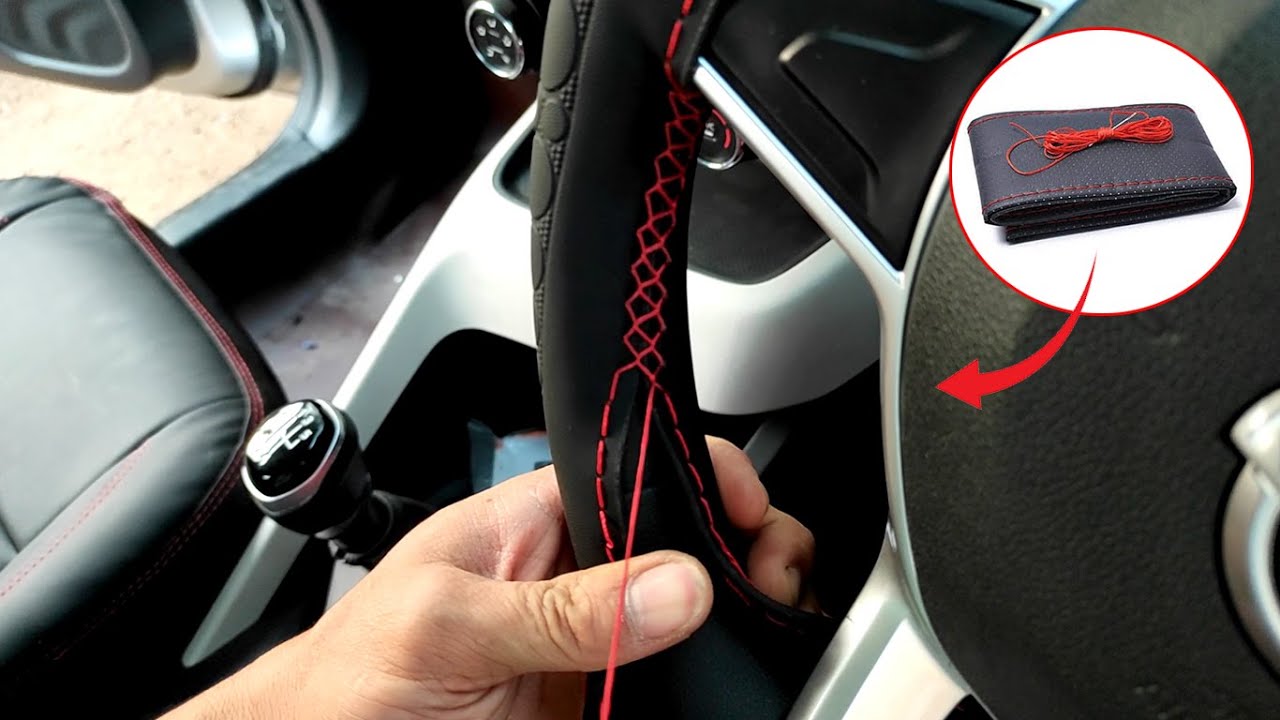
Finally, have some clips or pins to hold the cover in place while sewing.
Credit: www.youtube.com
Preparing The Steering Wheel
Preparing the steering wheel is the first step to a neat, secure cover. It ensures the cover fits well and lasts long. Taking time here makes stitching easier and the final look clean.
Cleaning The Surface
Start by wiping the steering wheel with a damp cloth. Remove all dirt, dust, and oils. Use a mild soap if the wheel is very dirty. Dry the wheel completely before moving on. A clean surface helps the cover stick and stay in place.
Measuring The Wheel
Measure the wheel’s diameter and thickness with a tape measure. Note these numbers to cut the cover material correctly. Measure twice to avoid mistakes. Proper measurement ensures the cover fits snugly and looks good.
Cutting The Cover
Cutting the steering wheel cover fabric is a key step. It shapes the cover to fit perfectly. Accuracy during cutting ensures a neat and tight fit. Preparing well before cutting saves time and material. Follow the right steps for clean, precise cuts.
Marking The Fabric
Start by placing the fabric on a flat surface. Use a fabric marker or chalk to outline the cover shape. Mark the length and width based on the steering wheel size. Add extra fabric for sewing seams, about half an inch. Double-check your measurements before marking. Clear, visible lines help guide the cutting process.
Cutting Techniques
Use sharp fabric scissors for clean cuts. Cut slowly along the marked lines to avoid mistakes. Keep the fabric flat and steady while cutting. Avoid pulling or stretching the fabric to keep its shape. Cut only what you have marked. Smooth edges help when stitching the cover later.
Starting The Stitch
Starting the stitch is an important step in making your steering wheel cover fit perfectly. It sets the base for the entire sewing process. Taking care at this stage helps avoid loose ends and uneven stitching later.
Focus on placing the cover correctly and securing the first stitch tightly. These actions keep the cover steady while you work on the rest of the wheel.
Positioning The Cover
Place the cover evenly around the steering wheel. Match the edges so the material lies flat. Check that the holes for stitching line up well. This makes sewing smoother and neater.
Make small adjustments until the cover fits snugly. Avoid any wrinkles or folds. Proper positioning saves time and effort during stitching.
Securing The First Stitch
Thread your needle and tie a strong knot at the end. Start stitching at the bottom of the wheel for easy handling. Push the needle through both cover layers and the wheel’s edge.
Pull the thread tight but not too hard. This holds the cover firmly without tearing the material. Sew a few small stitches here to lock the cover in place. This first stitch acts like an anchor for the rest.
Stitching Techniques
Stitching a steering wheel cover requires simple but effective techniques. Proper stitching keeps the cover tight and durable. It also adds a nice look to your car’s interior. Learning a few basic stitches helps you sew with confidence. Tension control during stitching ensures the cover fits well and lasts longer.
Basic Stitch Patterns
Start with the running stitch for a clean line. It is a straight stitch going in and out of the material. The whip stitch wraps around the edge for a neat finish. Use the cross stitch for extra strength and a decorative look. These simple patterns work well on leather or fabric covers.
Maintaining Tension
Keep your thread tight but not too tight. Too much tension can cause the material to pucker. Too loose stitches will make the cover sag over time. Pull the thread evenly with each stitch. Check your work often to keep the tension balanced. Proper tension helps the cover fit snugly and look smooth.

Credit: www.amazon.ae
Finishing Touches
The finishing touches make your steering wheel cover look neat and last longer. This stage ensures the cover fits tight and stays in place. Small details here affect the cover’s durability and style.
Securing The Final Stitch
Pull the thread tight to close the last gap. Tie a strong knot to stop the thread from loosening. Hide the knot inside the cover for a clean look. Use a needle to push the thread through the cover’s edge. This holds the cover firmly and prevents fraying.
Trimming Excess Material
Cut off extra thread close to the knot. Use sharp scissors for a smooth cut. Trim any loose fabric around the cover edges. This makes the cover look tidy and polished. Avoid cutting too close to the stitches to keep them strong.
Tips For A Professional Look
Stitching a steering wheel cover is not just about sewing pieces together. It’s about creating a neat and lasting finish. Small details make a big difference. Follow these tips for a professional look that stands out.
Avoiding Wrinkles
Keep the leather or fabric tight while stitching. Loose material causes wrinkles and puckers. Use clips or pins to hold the cover in place. Pull the material evenly with each stitch. Take your time to smooth the surface as you go. Wrinkles spoil the clean, smooth look of the cover. A flat, even surface shows quality work.
Ensuring Durability
Choose strong, thick thread designed for leather or vinyl. Thin thread breaks easily with use. Double stitch seams for extra strength. Use a sturdy needle that can pierce tough material. Tighten each stitch firmly but not too tight. Loose stitches come apart quickly. Test the cover by pulling gently to check strength. Durable stitching lasts through daily driving wear.

Credit: www.amazon.com
Frequently Asked Questions
How Do I Choose Fabric For A Steering Wheel Cover?
Select a durable, non-slip fabric like leather or microfiber. Ensure it’s breathable and comfortable for long drives. Pick a material that matches your car’s interior for a stylish look.
What Basic Tools Are Needed For Stitching A Cover?
You need a needle, strong thread, scissors, and a fabric marker. Optionally, use a sewing machine for faster stitching. Having pins helps hold the fabric in place while sewing.
How To Measure The Steering Wheel For A Perfect Cover?
Measure the steering wheel’s circumference and diameter accurately with a tape. Add extra fabric for seam allowances. Proper measurements ensure a snug and secure steering wheel cover fit.
Can I Stitch A Cover Without Sewing Experience?
Yes, simple hand-stitching techniques like running or whip stitch work well. Take your time and use a sturdy thread. Practice on scrap fabric to build confidence before stitching the cover.
Conclusion
Stitching a steering wheel cover takes patience and care. Follow the steps slowly and keep your stitches tight. This helps the cover fit well and last longer. Using the right thread and needle makes a big difference. Your hands will get better with practice.
Enjoy the comfort and style your new cover brings. A neat stitch job can make your car feel special. Try this project to add a personal touch to your ride. It’s simple, fun, and saves money too.


