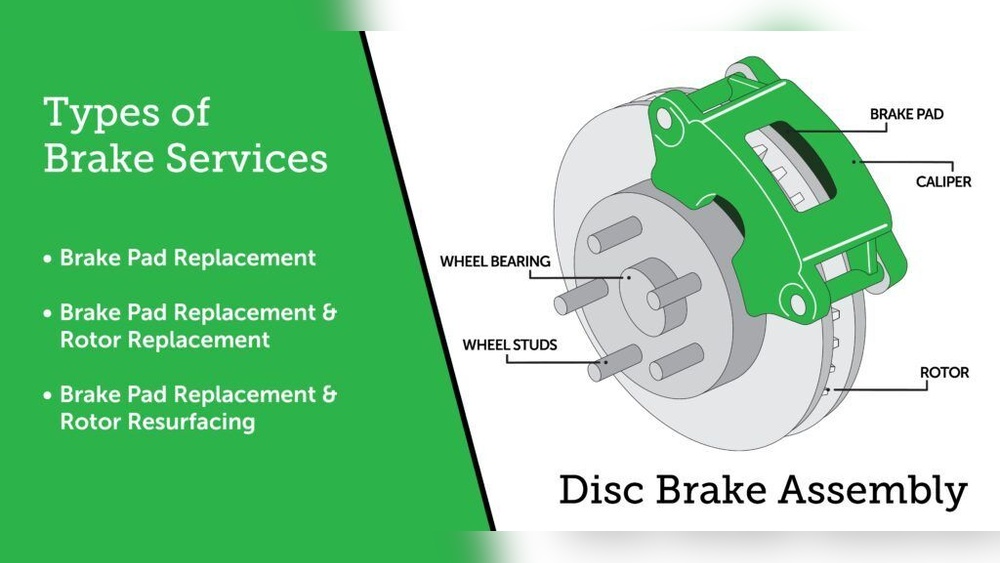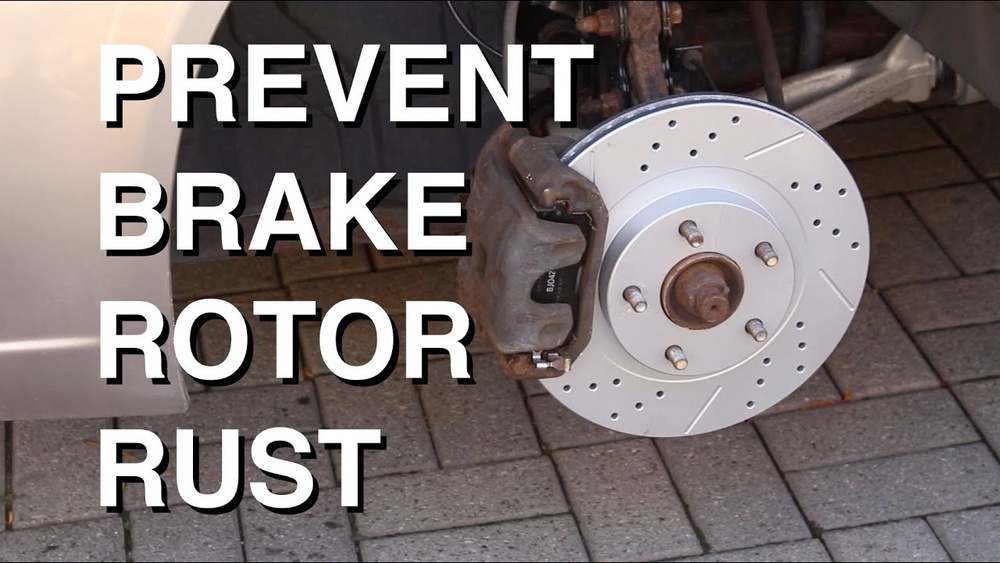
Your brake rotors are one of the most important parts of your vehicle’s braking system. But have you noticed rust building up on them?
That rusty layer can affect how well your brakes work and even shorten the life of your rotors. You don’t want to risk safety or spend extra money on repairs. The good news is, you can prevent this rust with a few simple steps.
Keep reading to learn exactly how to keep your brake rotors from rusting and ensure your brakes stay strong and reliable every time you hit the road.
Causes Of Brake Rotor Rust
Brake rotors often develop rust due to several common causes. Understanding these causes helps protect your vehicle’s braking system. Rust can affect brake performance and safety. Knowing why rust forms is the first step to prevention.
Environmental Factors
Moisture is the main cause of rust on brake rotors. Rain, snow, and humidity expose rotors to water. Salt on roads speeds up rust formation. Coastal areas with salty air increase rust risks. Parking in damp places also adds to rust problems.
Material Composition
Most brake rotors are made from cast iron. Cast iron is prone to rusting over time. Some rotors have protective coatings to reduce rust. Without coatings, metal reacts quickly with oxygen and water. Quality and type of material affect rust resistance.
Vehicle Usage Patterns
Short trips cause more rust on brake rotors. Brakes do not heat enough to dry off moisture. Long drives help keep rotors dry and clean. Infrequent driving allows rust to build up. Regular use prevents rust from settling deeply.

Credit: www.youtube.com
Preventive Maintenance Tips
Preventive maintenance helps keep brake rotors free from rust. Regular care stops rust before it forms. Simple steps extend rotor life and improve safety. These tips protect your vehicle’s braking system for longer.
Regular Cleaning Methods
Clean brake rotors often to remove dirt and moisture. Use a soft brush or cloth with mild soap and water. Avoid harsh chemicals that may damage the metal. Dry the rotors completely after washing. This stops water from sitting on the surface. Regular cleaning reduces the chance of rust buildup.
Protective Coatings
Apply a thin layer of anti-rust spray or brake-specific lubricant. These coatings create a barrier against moisture and air. Choose products made for brake parts to avoid performance issues. Reapply coatings regularly, especially after cleaning or driving in wet conditions. Protective coatings slow down rust formation effectively.
Proper Storage Practices
Store your vehicle in a dry, covered place when not in use. Avoid parking on grass or dirt, which hold moisture. Use car covers to protect from rain and humidity. For long-term storage, remove the wheels and keep rotors inside a dry area. Good storage keeps rotors dry and rust-free.
Driving Habits To Reduce Rust
Driving habits affect how fast brake rotors rust. Rust forms when moisture stays on the rotors for a long time. Changing how you drive can help keep rotors dry and clean. This reduces rust build-up and keeps brakes working well.
Frequent Short Drives
Short drives warm up the brake rotors quickly. Warm rotors dry faster, stopping rust from forming. Taking your car for regular short trips helps clear moisture. It also removes dirt and dust that cause rust. Even a 10-minute drive can help maintain rotor health.
Avoiding Prolonged Exposure To Moisture
Parking in a dry place protects rotors from moisture. Avoid parking on grass or dirt after rain. Covering your car or using a garage keeps rotors dry. Driving soon after rain or washing helps evaporate water. Less moisture means slower rust development on rotors.
Credit: www.powerstop.com
Choosing Rust-resistant Rotors
Choosing rust-resistant rotors helps protect your brakes and extend their life. Rust can reduce braking power and cause noise. Picking the right rotor stops rust from forming quickly. Understanding rotor types and materials makes a big difference. This guide explains key points to consider for rust resistance.
Coated Vs. Uncoated Rotors
Coated rotors have a special layer that blocks rust. This layer keeps water and air from touching the metal. It helps rotors stay smooth and quiet longer. Uncoated rotors lack this layer and rust faster. They need more cleaning and care to avoid damage. Coated rotors cost more but save time and hassle.
Materials And Finishes
Rotors come in different metals. Cast iron is common but rusts easily. Some rotors use stainless steel or composite metals that resist rust better. Finishes like zinc plating add a protective shield. These finishes slow down rust growth. Choose rotors with strong materials and good finishes. They last longer and keep brakes working well.
Diy Rust Removal Techniques
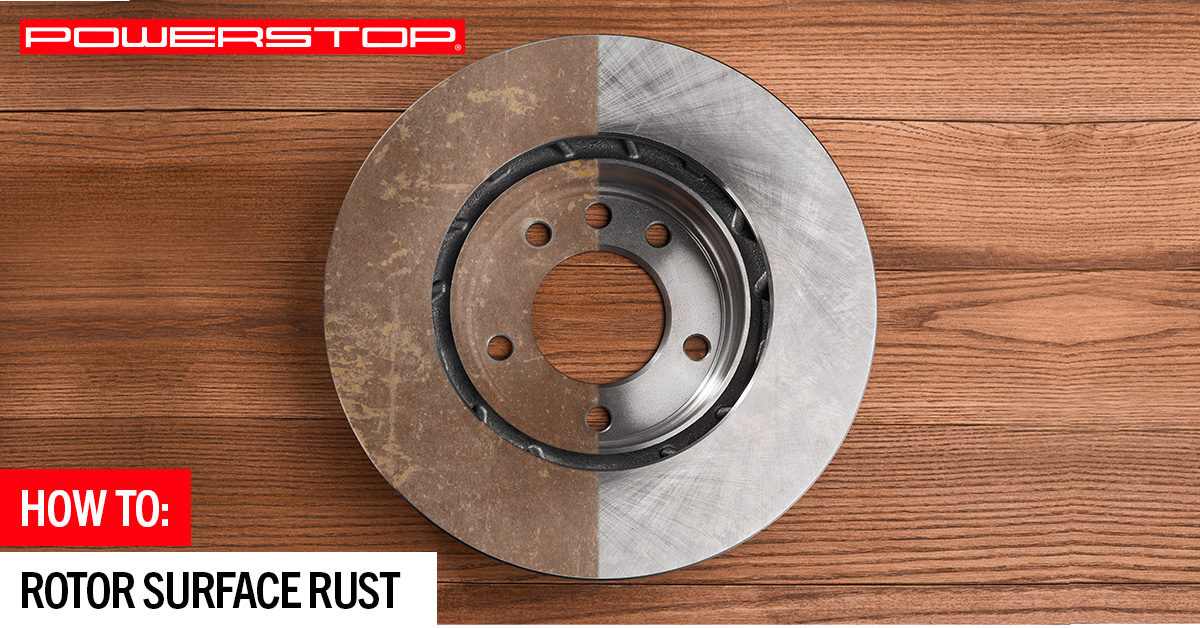
Rust on brake rotors can reduce braking power and cause noise. Removing rust yourself is possible with simple tools. These DIY techniques help restore rotor surfaces safely. Keep your brakes working smoothly and extend rotor life.
Using Brake Cleaner
Brake cleaner removes dirt, grease, and light rust. Spray the cleaner evenly over the rotor surface. Let it sit for a few minutes to dissolve grime. Wipe the rotor with a clean cloth. Repeat if needed to remove stubborn rust spots. This method is quick and safe for minor rust.
Light Sanding And Polishing
For heavier rust, use fine sandpaper or a sanding block. Gently sand the rotor surface in circular motions. Focus on rusted areas but avoid deep scratches. After sanding, wipe the rotor clean with a cloth. Use a metal polish to restore shine and smoothness. This method improves rotor texture and removes tougher rust.
Credit: www.reddit.com
When To Replace Rusted Rotors
Knowing when to replace rusted brake rotors keeps your car safe and working well. Small rust spots may not be a big issue. But severe rust can weaken the rotors and reduce braking power. Check your rotors often. Replace them at the right time to avoid accidents and costly repairs.
Signs Of Severe Damage
Look for deep grooves or cracks on the rotor surface. Heavy rust that flakes off easily is a bad sign. If your brakes make loud noises or vibrate, rotors may be damaged. Uneven rotor wear can cause the brake pedal to feel soft or shaky. These signs mean rotors need replacement soon.
Safety Considerations
Worn or rusted rotors lower braking performance. This increases stopping distance and risk of accidents. Do not ignore brake warning signs. Replace rotors promptly for safe driving. Use quality parts and proper installation to ensure reliability. Safety must always come first with brake maintenance.
Frequently Asked Questions
How Can I Prevent Brake Rotors From Rusting?
To prevent rust, keep your rotors dry and clean regularly. Use rust-resistant coatings and avoid prolonged exposure to moisture. Driving frequently also helps remove surface rust naturally.
Does Driving Daily Reduce Rotor Rust Formation?
Yes, daily driving heats up rotors, evaporating moisture and preventing rust buildup. Frequent use keeps the rotors clean from debris and corrosion.
What Products Help Protect Brake Rotors From Rust?
Anti-rust sprays and ceramic coatings effectively protect rotors. These products create a barrier against moisture and salt, extending rotor life and maintaining performance.
Can Rust On Brake Rotors Affect Braking Performance?
Yes, rust can reduce braking efficiency and cause noise. Removing light rust by driving or cleaning prevents damage and maintains smooth braking.
Conclusion
Keeping brake rotors free from rust helps your car stay safe and last longer. Clean rotors dry quickly and avoid water build-up. Driving regularly prevents rust from forming on the metal. Using quality brake parts adds extra protection. Simple care steps make a big difference over time.
Rust on rotors can cause noise and poor braking. Taking a few minutes to check your brakes helps avoid bigger problems later. Stay attentive, and your brake rotors will serve you well for many miles. Small habits create lasting results.