

Have you ever felt your car pulling to one side while driving or noticed uneven tire wear? These signs might mean your car needs an alignment.
Knowing when to get an alignment can save you money, improve your safety, and keep your ride smooth. You’ll discover simple ways to tell if your car’s alignment is off and what you should do next. Keep reading—you don’t want to ignore these warning signs.
Common Signs Of Misalignment
Car alignment keeps your vehicle running smoothly and safely. Misalignment causes problems that affect driving and tire life. Spotting signs early helps avoid costly repairs and unsafe conditions. Watch for these common signs that show your car might need an alignment check.
Uneven Tire Wear
Tires wear out evenly when alignment is correct. Uneven wear means some parts of tires wear faster. Check tires for bald spots or one side worn more than the other. Uneven tire wear wastes money and can cause poor traction.
Steering Wheel Off-center
The steering wheel should be straight when driving straight. If the wheel leans left or right, alignment may be off. A crooked steering wheel feels strange and can tire your arms. It also shows that wheels are not aligned properly.
Vehicle Pulling To One Side
Your car should drive straight on a flat road. Pulling to one side means wheels are misaligned. You must hold the steering wheel to keep the car straight. This makes driving harder and unsafe, especially at high speeds.
Vibrations While Driving
Vibrations in the steering wheel or seat can mean alignment issues. Misaligned wheels cause uneven tire contact with the road. This leads to shaking and uncomfortable rides. Vibrations can also damage suspension parts over time.

Credit: www.accurateautoadvice.com
Impact On Vehicle Performance
Car alignment affects how your vehicle performs on the road. Misalignment can cause several problems that impact driving comfort and safety. Understanding these effects helps you recognize when your car needs an alignment.
Reduced Fuel Efficiency
Misaligned wheels create extra drag on the road. This drag forces your engine to work harder. As a result, your car uses more fuel than usual. Poor alignment lowers your gas mileage and increases fuel costs. Keeping wheels aligned helps save money at the pump.
Poor Handling And Stability
Alignment issues make steering difficult and unstable. Your car may pull to one side without warning. Turns might feel rough or uneven. These problems make driving unsafe, especially at high speeds. Proper alignment ensures better control and smoother rides.
Increased Tire Wear
Misalignment causes tires to wear unevenly and quickly. Some tire edges may wear out faster than others. Uneven wear shortens tire life and raises replacement costs. Correct alignment spreads tire pressure evenly for longer tire life.
Causes Of Wheel Misalignment
Wheel misalignment can cause uneven tire wear and poor driving control. Understanding what causes misalignment helps you spot problems early. Common causes include hitting curbs, accidents, and worn parts.
Hitting Curbs Or Potholes
Sudden impacts with curbs or potholes can shift your wheels out of place. Even a small hit can change the angle of your tires. This causes your vehicle to pull to one side or the steering wheel to vibrate.
Accidents And Collisions
Crashes, no matter how minor, often damage the alignment. The force can bend suspension parts or knock wheels off their correct position. After any accident, checking your alignment is crucial to safe driving.
Worn Suspension Components
Parts like ball joints, tie rods, and bushings wear out over time. Worn suspension components cause wheels to move incorrectly. This leads to misalignment and uneven tire wear, reducing your car’s handling and safety.
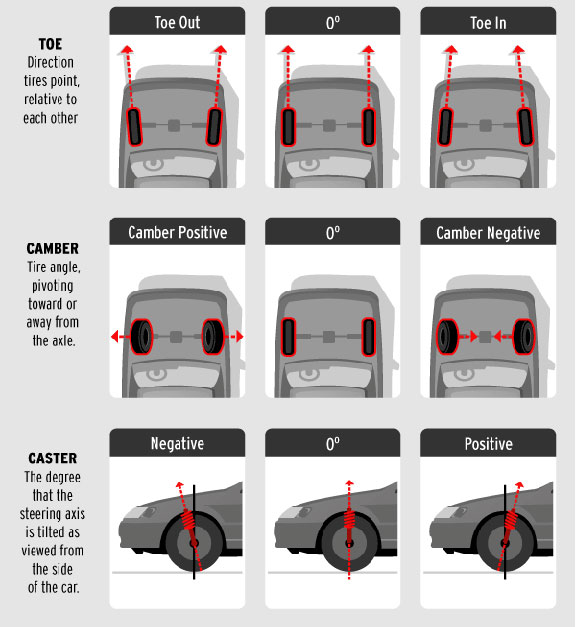
Credit: www.tlmotors.com
How To Check Alignment At Home
Checking your car’s alignment at home is easier than you think. It helps spot problems early and saves money on repairs. You can do simple tests without special tools. These checks give clues about your car’s health and handling.
Start with a clear area on level ground. Keep your tires inflated correctly. Follow these steps carefully for best results.
Visual Inspection Tips
Look closely at your tires and wheels. Check if the tires wear unevenly. Worn edges or bald spots can mean bad alignment. Observe if the wheels point straight ahead or tilt inward or outward.
Stand behind the car. See if the rear wheels line up with the front wheels. Uneven spacing or angles show misalignment. Also, check for any damage to the suspension or steering parts.
Simple Steering Wheel Test
Drive your car on a straight, flat road. Hold the steering wheel lightly. Notice if the wheel pulls to one side. A pull means your alignment is off. Check if the steering wheel is centered when driving straight.
If the wheel is crooked, this also signals alignment issues. Try to keep the car going straight without steering corrections. Difficulty doing this suggests a need for professional alignment.
When To Visit A Professional
Knowing when to visit a professional for a car alignment is important. Proper alignment keeps your car safe and saves money on tires. Pay attention to your car’s behavior and check regularly. These steps help you decide when to get help from an expert.
Signs Requiring Immediate Attention
Steering wheel pulls to one side while driving straight. Tires wear unevenly or look bald in some spots. Car drifts or feels unstable on the road. Steering wheel vibrates or shakes during driving. Strange noises come from the tires or suspension. These signs mean visit a professional right away.
Frequency Of Alignment Checks
Check alignment at least once a year. After hitting a big pothole or curb, get it checked. New tires or suspension parts require an alignment check. Regular checks prevent bigger problems and save money. Keep your car running smooth and safe with timely alignments.
Benefits Of Regular Alignment
Regular car alignment keeps your vehicle in top shape. It helps parts work better together. It saves money and time by avoiding bigger problems. Knowing the benefits shows why alignment matters.
Extended Tire Life
Proper alignment stops uneven tire wear. Tires last longer and perform well. This reduces how often you buy new tires. It also helps you drive safely on the road.
Improved Safety
Alignment keeps your car steady and balanced. It prevents pulling to one side. This control helps you avoid accidents. Braking works better with correct alignment.
Enhanced Driving Comfort
Your car feels smooth and easy to steer. It reduces vibrations and shaking. Driving becomes less tiring on long trips. Comfort improves with every mile you drive.

Credit: sierracarcare.wordpress.com
Frequently Asked Questions
How Can I Tell If My Car Needs Alignment?
If your car pulls to one side or the steering wheel is off-center, it likely needs alignment. Uneven tire wear also indicates misalignment. Regular checks prevent further damage and improve safety and fuel efficiency.
What Are Common Symptoms Of Bad Car Alignment?
Common symptoms include uneven tire wear, steering wheel vibration, pulling to one side, and crooked steering wheel. These signs suggest your wheels are not properly aligned and need professional adjustment.
How Often Should I Get My Car Aligned?
It’s recommended to check alignment every 12,000 miles or once a year. Alignment should also be checked after hitting potholes, curbs, or after suspension repairs to maintain optimal driving conditions.
Can Bad Alignment Affect My Car’s Fuel Efficiency?
Yes, misaligned wheels cause uneven tire wear and increased rolling resistance. This leads to higher fuel consumption. Proper alignment improves fuel efficiency and extends tire life.
Conclusion
Knowing when your car needs an alignment helps keep it safe and smooth. Watch for uneven tire wear or the car pulling to one side. A crooked steering wheel also signals alignment issues. Getting your car checked regularly saves money and prevents bigger problems.
Drive with confidence by keeping your wheels aligned properly. Don’t ignore small signs—they often mean your car needs attention soon. Taking care of your car’s alignment improves fuel efficiency and tire life. Stay alert and act early to enjoy a better driving experience.


