Imagine waking up to find your car covered in dents after a sudden hailstorm. The damage is frustrating, and without a garage, it feels like there’s no way to protect your vehicle.
But what if you could shield your car from hail without needing a permanent shelter? You’ll discover simple, effective ways to keep your car safe when hail strikes. Keep reading to learn practical tips that can save you money and stress, even if you don’t have a garage.
Assess Hail Risk In Your Area
Knowing the hail risk in your area helps protect your car better. Some places face hailstorms often, while others rarely see hail. This knowledge guides you to take the right steps to keep your car safe.
Checking local weather patterns and past hail events gives clear clues. It helps decide if you need extra protection or simple precautions.
Check Local Weather History
Look for hail reports in your town or city. Weather websites and local news archives offer this data. Frequent hail means higher risk for your car.
Use Hail Maps And Alerts
Hail maps show areas hit by hailstorms recently. Weather apps send alerts when hail is near. Sign up for these alerts to stay informed.
Ask Neighbors And Local Experts
Neighbors who lived long in the area know hail patterns well. Local car repair shops see hail damage often. Their advice can help you understand your risk.
Consider Seasonal Patterns
Some seasons bring more hail than others. Spring and summer often have more hailstorms. Prepare your car ahead of these seasons for safety.
Use Portable Car Covers
Using portable car covers offers a practical way to protect your vehicle from hail without a garage. These covers act as a shield, absorbing the impact of hailstones before they reach your car’s surface. Portable covers are easy to carry and set up, making them ideal for sudden hailstorms.
Choosing the right cover and securing it properly maximizes protection. This section explains the types of covers and how to fasten them well. Keep your car safe and avoid costly hail damage with the right cover.
Types Of Protective Covers
Car covers come in several types designed to protect against hail. Heavy-duty covers have thick padding that cushions hail impacts. They use materials like foam or air pockets to absorb shock.
Lightweight covers are easy to handle but may offer less protection. Some covers have waterproof layers to guard against rain and hail together. Others come with reflective surfaces to reduce heat and sun damage as well.
Choose a cover that fits your car size and weather needs. Heavier covers work best for strong hailstorms. Lightweight ones suit mild conditions or quick protection.
How To Secure Covers Properly
Properly securing your car cover is key to keeping it in place during hail. Start by placing the cover evenly over the car. Make sure all parts, including mirrors and bumpers, are covered.
Use straps or elastic hems to hold the cover tight. Secure these under the car or around the wheels. Check that the cover does not flap in the wind, which can cause scratches.
In windy areas, add extra anchors like weights or tie-downs. Avoid loose sections where hail can sneak in. A well-fastened cover stays stable and protects your car fully.
Create Temporary Shelter
Protecting your car from hail is important, especially without a garage. Creating a temporary shelter can save your vehicle from damage. This method uses simple materials you might already have. It offers quick and effective protection during a hailstorm.
Diy Canopies And Tents
Build a canopy or tent using poles and sturdy fabric. Use items like PVC pipes or metal rods for the frame. Cover the frame with a waterproof tarp or thick cloth. Secure the edges with weights or stakes. This setup shields your car from direct hail impact. It is easy to assemble and disassemble.
Using Tarps And Blankets
Cover your car with thick blankets or moving pads. Place a waterproof tarp over the blankets to keep them dry. Tie the tarp securely under the car to stop wind from lifting it. This layered method cushions the car roof and windows. It reduces the chance of dents or broken glass.
Credit: www.nbcdfw.com
Park Strategically
Parking your car in the right spot can reduce hail damage. You cannot always use a garage. So, thinking about where you park is very important. Smart parking can help protect your vehicle during hailstorms. Choosing good spots takes some effort, but it pays off.
Finding Natural Shelters
Look for trees or tall bushes to park under. They can block hail from hitting your car directly. Tall buildings or walls can also act as shields. Park close to these structures but avoid spots where debris may fall. Natural shelters provide some protection but are not perfect. Use them only when no better option exists.
Avoiding Open Spaces
Do not park in wide, open areas. Cars in open spaces face full hail exposure. Large parking lots and empty fields offer no cover. Hailstones can hit your car from all sides there. Always pick spots with some form of overhead protection. Even small covers help reduce damage risks.
Invest In Hail Protection Accessories
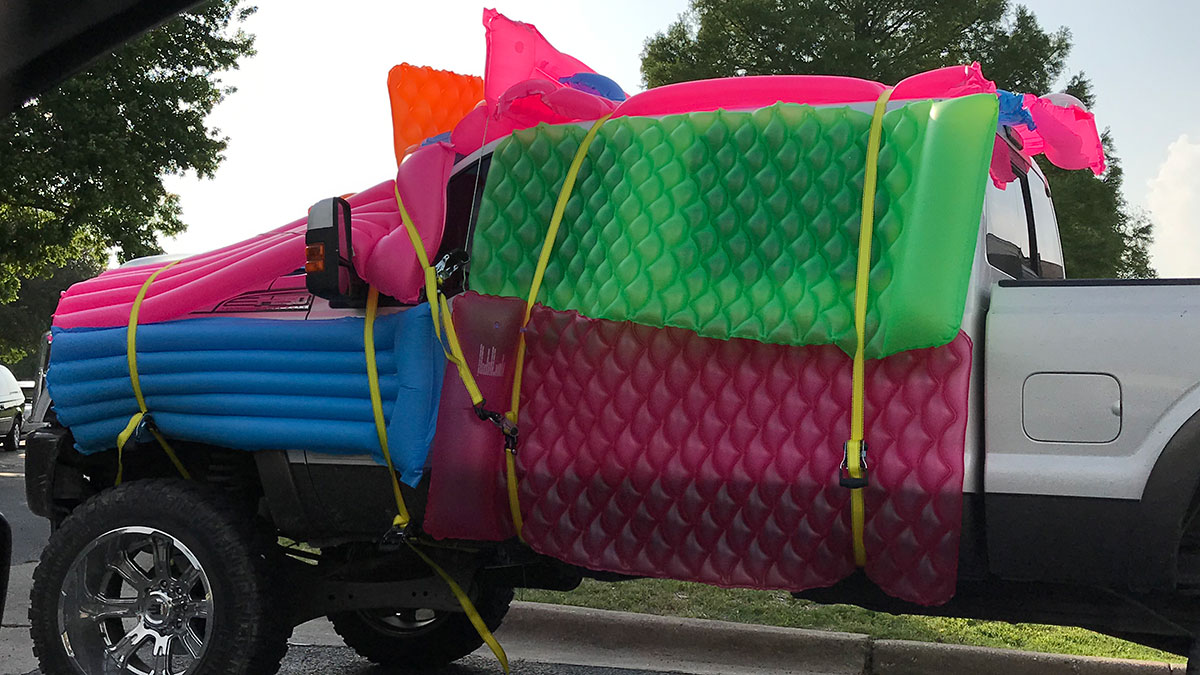
Protecting your car from hail damage without a garage is possible. Investing in hail protection accessories offers practical solutions. These tools cushion your car’s surface and absorb the impact of hailstones. They are easy to use and affordable. Choosing the right accessory depends on your budget and car size. Two popular options are inflatable car hail protectors and magnetic foam pads.
Inflatable Car Hail Protectors
Inflatable car hail protectors act like a soft air cushion. You place them on your car’s roof, hood, and trunk. Then, inflate the protector using a small pump. The air-filled layers absorb the hail’s force, reducing dents and scratches.
These protectors are easy to install and remove. They fit most car sizes and offer good coverage. Some models come with rechargeable pumps. This makes them convenient for use anywhere. Inflatable protectors also double as a barrier against dust and light debris.
Magnetic And Foam Pads
Magnetic and foam pads stick directly to your car’s metal surface. The foam layer softens the hail’s impact while the magnets hold the pad firmly in place. These pads come in different sizes and thicknesses.
Foam pads are lightweight and easy to store. You can quickly cover your car before a hailstorm. They protect specific areas like the roof or hood. Some sets include several pads for full coverage. These pads work well for short-term protection and quick setups.

Credit: www.kxan.com
Maintain Your Car’s Exterior
Maintaining your car’s exterior helps reduce damage from hail. A strong, well-kept surface can better handle small dents and scratches. Taking care of the paint and body also keeps your car looking good longer. Simple steps can protect your car even without a garage.
Applying Protective Films
Protective films are clear layers you stick on your car’s paint. They act like a shield against hail and other small impacts. These films absorb some of the force, lowering the chance of dents and chips. Applying them is easy and does not change your car’s look. Many drivers use these films for extra protection during hail season.
Regular Waxing Benefits
Waxing your car creates a smooth, protective layer on the paint. This layer can reduce minor damage caused by hailstones. Wax also helps water and dirt slide off the surface, keeping the car cleaner. Regular waxing keeps the paint strong and shiny. It is a simple way to protect your car outside a garage.
Prepare For Hailstorm Alerts
Preparing for hailstorm alerts is key to protecting your car without a garage. Early warnings give you time to act. You can find safe spots or use protective covers. Staying informed helps reduce damage risk and saves repair costs.
Using Weather Apps
Weather apps provide real-time updates on storms and hail risks. Choose apps with accurate radar and storm tracking features. Check your app daily during storm seasons. Some apps show hail size predictions and storm paths. This information helps you decide when to move your car.
Setting Up Notifications
Turn on alerts for severe weather in your area. Customize notifications for hail warnings specifically. This way, you get instant messages before hail hits. Set alerts on your phone or smartwatch. Quick alerts give you valuable minutes to protect your vehicle.

Credit: www.kxan.com
Emergency Steps During Hail
Hailstorms can damage your car quickly. Without a garage, you must act fast to protect your vehicle. Taking emergency steps during hail reduces dents and cracks. Knowing what to do can save you time and money. Here are some quick actions to take when hail starts.
Quick Cover Solutions
Use blankets or towels to cover your car’s surface. Thick materials absorb hail impact better. If available, use a car cover made for hail protection. Cardboard sheets also work well as a buffer. Secure covers with tape or weights to keep them in place. Avoid thin or light fabrics that tear easily.
Keep a hail protection kit in your car for emergencies. This kit can include blankets, tarps, and old cushions. Having supplies ready helps protect your car immediately. Do not wait for hail to stop before covering your vehicle.
Safe Parking Options
Park under trees only if branches are strong and stable. Falling branches can cause more damage than hail. Look for covered bus stops or gas stations with canopies. These spots offer partial shelter from hailstones. Parking near large buildings can also help block hail.
Avoid open spaces like fields or empty parking lots. Hail hits cars directly with no protection. If no shelter exists, try to park near walls or fences. They reduce hail exposure on one side of your car. Always move quickly to a safer spot during hail.
Frequently Asked Questions
How Can I Protect My Car From Hail Without A Garage?
Using a car cover or hail protection blanket helps shield your car from hail damage. Parking under trees or temporary shelters also reduces impact risk effectively.
Are There Affordable Hail Protection Options For Cars?
Yes, hail protection blankets and inflatable car covers are affordable. They provide good protection without needing a permanent garage or expensive setups.
Can Car Covers Prevent Hail Dents Completely?
Car covers reduce hail impact but may not prevent all dents. Using thick, padded covers offers better protection against moderate hailstorms.
What Temporary Solutions Protect Cars During Hailstorms?
Temporary solutions include pop-up canopies, car tents, and moving cars under covered areas. These options offer quick and effective hail damage prevention.
Conclusion
Protecting your car from hail without a garage is possible. Use car covers or blankets to shield your vehicle. Parking near buildings or under trees helps reduce damage. Quick action before a storm can save your car’s paint and glass.
Small steps make a big difference in protection. Stay prepared and keep your car safe during hailstorms. Simple solutions can prevent costly repairs later. Keep these tips in mind to protect your car effectively.