

Is your car acting up, but you’re not sure why? One common culprit could be your fuel filter.
If your engine feels sluggish, or your gas mileage is dropping, your fuel filter might be to blame. Knowing how to spot the signs of a bad fuel filter can save you time, money, and stress. You’ll learn the simple ways to tell if your fuel filter needs attention—so you can keep your vehicle running smoothly and avoid costly repairs.
Keep reading to find out exactly what to look for and what steps you should take next.
Fuel Filter Basics
The fuel filter is a small but important part of your vehicle. It cleans the fuel before it reaches the engine. Clean fuel helps the engine run smoothly and last longer. Understanding the basics of fuel filters helps you spot problems early. This guide explains the fuel filter’s role and common types used in cars.
Role In The Fuel System
The fuel filter stops dirt, rust, and debris from entering the engine. These particles can damage engine parts and reduce performance. The filter protects fuel injectors and carburetors from clogging. A clean fuel filter ensures steady fuel flow. This keeps the engine running efficiently and saves fuel. Without a good filter, the engine can stall or lose power.
Common Fuel Filter Types
Fuel filters come in several types based on design and location. The most common are inline and cartridge filters. Inline filters sit on the fuel line outside the tank. Cartridge filters are inside the fuel tank or fuel pump assembly. Each type uses a paper or mesh element to trap dirt. Some filters are replaceable, while others need cleaning. Knowing your filter type helps with proper maintenance.

Credit: www.agcoauto.com
Symptoms Of A Failing Fuel Filter
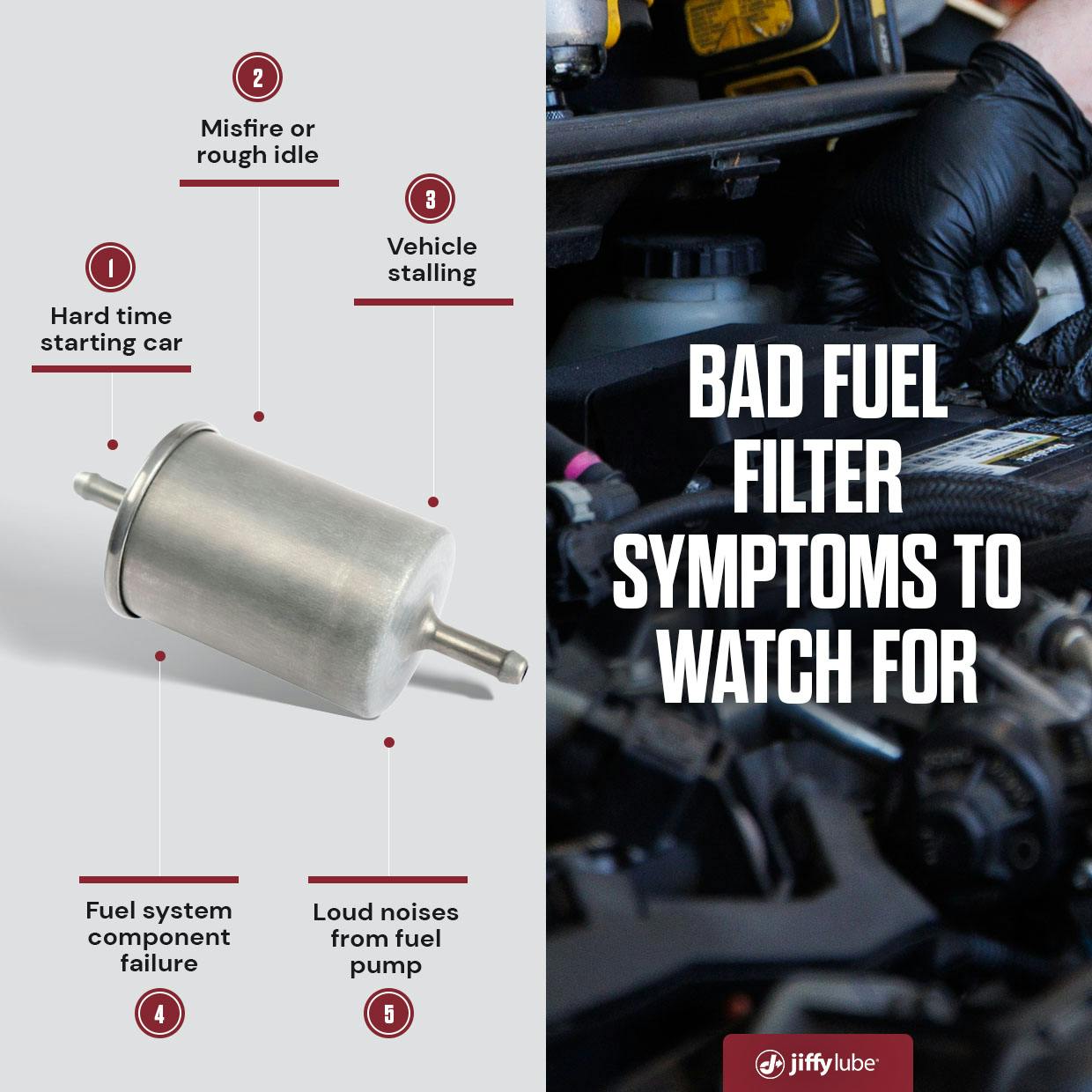
Knowing the signs of a bad fuel filter helps avoid bigger car problems. A fuel filter cleans dirt and rust from the fuel before it reaches the engine. When it clogs, the engine suffers. Watch for these common symptoms to spot trouble early.
Engine Performance Issues
The engine may lose power or run rough. Acceleration feels slow or weak. The car might hesitate or jerk during driving. These happen because the clogged filter blocks fuel flow.
Starting Problems
The engine may take longer to start or fail to start at all. A bad filter stops enough fuel from reaching the engine. This causes hard starts or no start at all.
Unusual Engine Noises
You may hear sputtering or coughing sounds from the engine. These noises occur when the engine struggles for fuel. It shows the fuel filter is restricting fuel supply.
Fuel Odor And Leaks
A strong smell of fuel near the engine or inside the car is a warning. Sometimes, leaks appear around the fuel filter area. These signs mean the filter or its connections may be damaged.
Diagnosing Fuel Filter Problems
Diagnosing fuel filter problems helps keep your engine running smoothly. A clogged or damaged filter limits fuel flow. This causes poor engine performance and may lead to stalling. Early diagnosis avoids costly repairs and saves time. Here are simple ways to check your fuel filter condition.
Visual Inspection Tips
Start by looking at the fuel filter closely. Check for cracks, rust, or leaks on its surface. Look for dirt or debris stuck on the filter. A dirty filter often shows discoloration or dark spots. Inspect the fuel lines connected to the filter too. Loose or damaged hoses can cause fuel flow issues. Replace the filter if you spot any damage or heavy dirt.
Fuel Pressure Testing
Fuel pressure testing measures how well fuel flows through the filter. Use a pressure gauge on the fuel rail or line. Compare the readings to your vehicle’s specifications. Low pressure may mean a clogged filter. High pressure might indicate a blocked fuel return line. Testing pressure helps confirm if the filter needs replacement. It also checks the fuel pump and injectors’ condition.
Professional Diagnostic Tools
Mechanics use advanced tools to diagnose fuel system problems. Electronic fuel pressure testers provide accurate data quickly. Scan tools can read error codes linked to fuel delivery. These codes point to filter or pump issues. Professionals also use flow meters to check fuel volume. These tools give a complete picture of the filter’s health. Visit a mechanic if you want a detailed diagnosis.

Credit: oilchangers.com
Risks Of Ignoring A Bad Fuel Filter
Ignoring a bad fuel filter can lead to serious car problems. The fuel filter cleans dirt and debris from the fuel before it reaches the engine. A clogged or damaged filter stops fuel from flowing properly. This causes many risks that can hurt your car’s performance and lifespan.
Engine Damage
A dirty fuel filter can starve the engine of fuel. This makes the engine work harder than usual. Over time, it causes parts to wear out faster. The engine may misfire or stall often. Serious damage can happen if the problem stays too long.
Reduced Fuel Efficiency
Clogged filters force the engine to burn more fuel. Your car will use more gas to go the same distance. This means you spend more money on fuel. Poor fuel flow also lowers the engine’s power and smoothness.
Increased Emissions
Bad fuel filters make the engine burn fuel poorly. This creates more smoke and harmful gases. Your car will pollute more and may fail emissions tests. Keeping the filter clean helps the environment and your car.
Fuel Filter Maintenance And Replacement
Fuel filter maintenance is key to a healthy engine. It stops dirt and rust from reaching the fuel system. A clean fuel filter helps your car run smoothly and saves costly repairs. Knowing when and how to replace it keeps your vehicle safe and efficient.
Recommended Replacement Intervals
Most car makers suggest changing the fuel filter every 20,000 to 40,000 miles. Check your owner’s manual for exact times. Severe driving conditions, like dusty roads, may need more frequent changes. Regular replacement prevents clogging and engine problems.
Diy Replacement Guide
Start by locating the fuel filter under the car or near the engine. Relieve the fuel system pressure before removing the filter. Use wrenches to disconnect the fuel lines carefully. Install the new filter the same way and tighten the connections. Always wear gloves and work in a well-ventilated area.
When To Seek Professional Help
Choose a mechanic if you feel unsure or lack tools. Strange noises or leaks near the filter need expert attention. Professionals can check for hidden fuel system issues too. Don’t delay if your car stalls or struggles to start.
Credit: www.jiffylube.com
Frequently Asked Questions
How Do I Identify A Bad Fuel Filter?
A bad fuel filter causes engine issues like stalling, hesitation, and poor acceleration. Check for reduced fuel flow and unusual engine noises. Regular inspection helps prevent damage and maintains vehicle performance.
What Are Common Symptoms Of A Clogged Fuel Filter?
Common symptoms include engine misfires, rough idling, and difficulty starting. You may notice reduced fuel efficiency and power loss. These signs indicate restricted fuel flow needing prompt filter replacement.
How Often Should I Replace My Fuel Filter?
Replace the fuel filter every 20,000 to 40,000 miles or as recommended by your vehicle’s manual. Frequent replacement ensures clean fuel delivery and avoids engine damage from contaminants.
Can A Bad Fuel Filter Cause Engine Stalling?
Yes, a clogged fuel filter can starve the engine of fuel, causing stalling. It interrupts smooth fuel flow, leading to sudden power loss, especially during acceleration or idling.
Conclusion
A bad fuel filter can cause many car problems. Watch for slow engine start, poor fuel flow, or strange noises. Regular checks help catch issues early. Replace the filter as needed to keep your car running smoothly. Clean fuel means better engine health and longer vehicle life.
Stay alert to signs and act quickly. Your car will thank you with better performance and less trouble. Simple steps save time and money on repairs. Keep your fuel filter in good shape for worry-free driving.


