

Are you tired of struggling with those stubborn plastic wheel covers? Removing them might seem tricky, but with the right steps, you can do it quickly and safely.
Whether you’re planning to replace your wheel covers or just want to clean behind them, knowing how to remove them properly saves you time and prevents damage. Keep reading, and you’ll discover easy, practical tips that make this task simple—even if you’ve never done it before.
Your wheels will thank you!
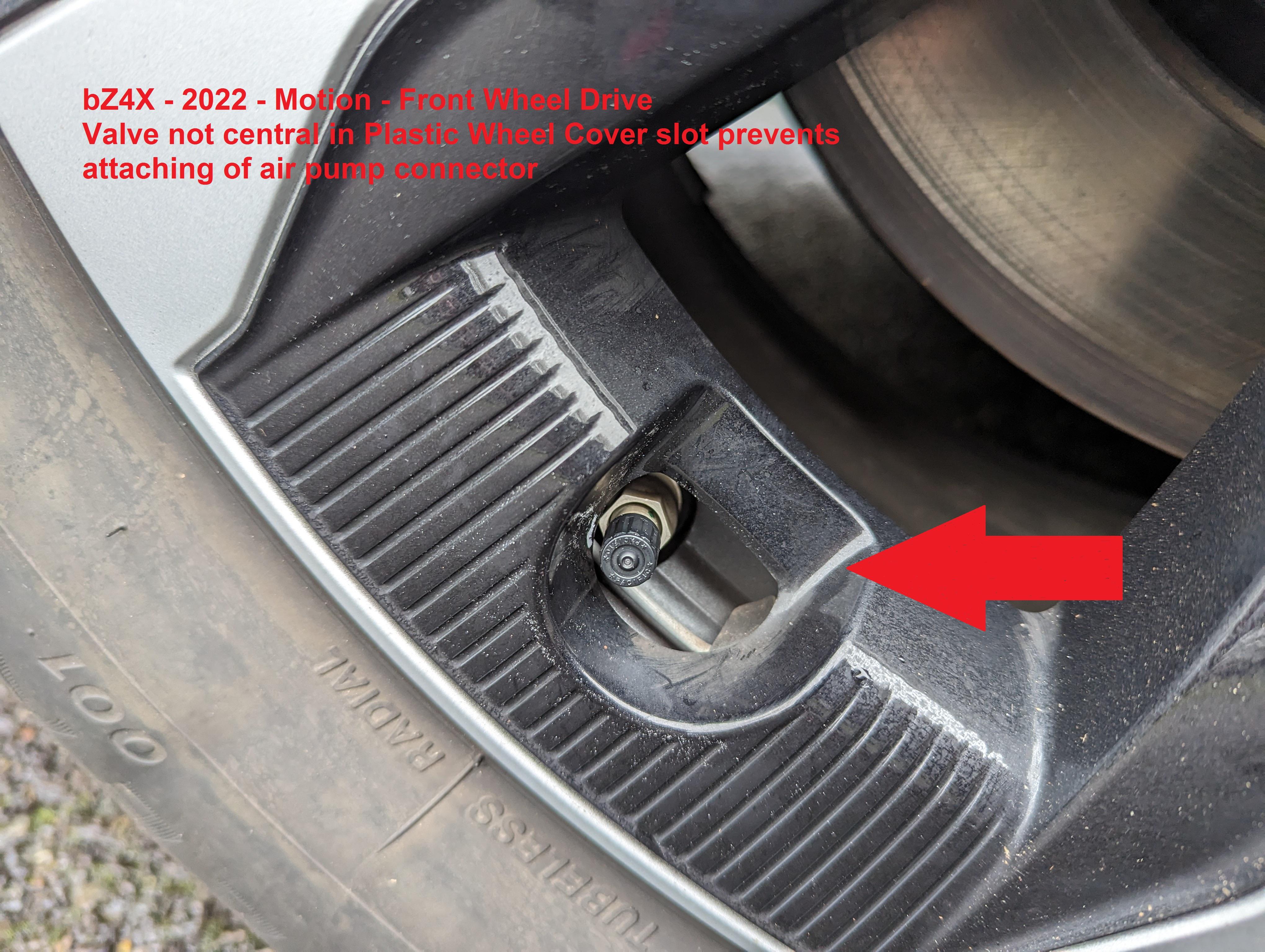
Credit: www.toyotaownersclub.com
Tools Needed
Removing plastic wheel covers is easier with the right tools. These tools help avoid damage to the covers and the wheels. They also make the process faster and safer.
Most tools are easy to find at home or a local store. Using the right tools reduces the risk of scratching or breaking the covers.
Flathead Screwdriver
A flathead screwdriver helps pry the wheel cover gently. It fits between the cover and the wheel rim. Use it carefully to avoid scratching the wheel.
Plastic Pry Tool
A plastic pry tool is safer than metal tools. It reduces the chance of damage. It is designed for removing trims and covers without scratching.
Gloves
Gloves protect your hands from sharp edges. They also improve your grip on slippery parts. Choose gloves that fit well and allow easy movement.
Soft Cloth Or Towel
Use a soft cloth to protect the wheel surface. Place it between the tool and the wheel. This prevents scratches during the removal process.
Lubricant Spray
Lubricant spray helps loosen stuck wheel covers. It makes prying easier and reduces damage risk. Spray a small amount around the edges before removal.

Credit: www.youtube.com
Safety Precautions
Removing plastic wheel covers requires care and attention. Safety is important to avoid injuries and damage. Follow key safety steps before starting the task.
Wear Protective Gloves
Gloves protect your hands from sharp edges and dirt. They also improve your grip on the wheel cover. Choose gloves that fit well and are durable.
Park The Vehicle On A Flat Surface
Ensure the car is parked on level ground. This stops the vehicle from moving while you work. Engage the handbrake for extra safety.
Use Proper Tools
Select tools designed for wheel cover removal. Avoid using sharp or makeshift tools. Proper tools reduce the risk of damage and injury.
Handle Wheel Covers Gently
Plastic covers can crack if forced. Apply steady, even pressure while removing. Keep your hands clear to prevent pinching.
Keep Children And Pets Away
Keep the area clear of children and pets. They can distract you or get hurt. A safe workspace ensures no accidents happen.
Locate The Clips Or Screws
Locating the clips or screws is the first step to remove plastic wheel covers safely. These parts hold the cover firmly on the wheel. Finding them helps you avoid damage to the cover or wheel. This process is simple with the right approach and tools.
Check Around The Edge Of The Wheel Cover
Look closely at the cover’s edge. Clips often sit here, hidden in small gaps. Feel for any plastic tabs that snap into place. These tabs hold the cover tight but can be gently pried loose.
Identify Visible Screws
Some wheel covers use screws instead of clips. Look for small screws near the center or edges. Use a screwdriver to remove them carefully. Keep the screws safe for reinstallation later.
Use A Flashlight For Better Visibility
Dark lighting hides clips and screws. Shine a flashlight around the wheel cover’s edge. This reveals hidden clips and screws quickly. Clear view saves time and prevents mistakes.
Feel For Pressure Points
Press gently around the wheel cover. Clips create firm pressure spots. These areas are where clips hold the cover tight. Knowing this helps to apply force in the right place during removal.
Loosen The Wheel Cover
Loosening the plastic wheel cover is the first step to remove it safely. It holds tight on the wheel, so you need to pry it gently. Using the right tools helps to avoid damage to the cover or the wheel. Take your time and work carefully around the edges. This prevents cracks and scratches.
Using A Flathead Screwdriver
Choose a flathead screwdriver with a thin, flat tip. Insert the tip under the edge of the wheel cover. Push gently to create a small gap. Move the screwdriver around the cover’s edge, lifting it little by little. Do not force it hard. Work slowly to loosen the cover evenly.
Using A Pry Tool
A plastic pry tool works well without scratching the cover. Slide the tool carefully under the wheel cover edge. Twist the tool slightly to lift the cover. Move the tool around the wheel in small steps. This helps to loosen the cover without damage. Pry tools give better control than metal screwdrivers.
Remove The Wheel Cover
Removing a plastic wheel cover is simple with the right approach. This step protects your wheel and cover from damage. Careful removal makes reinstallation easier. Follow clear methods for best results.
Focus on gentle and steady actions. Avoid force that can break clips or scratch surfaces.
Gentle Pulling Techniques
Start by gripping the edge of the wheel cover firmly. Pull slowly and evenly around the cover. Move your hands to different points to release the clips. Use steady pressure rather than quick jerks. This reduces the risk of cracking the cover. Work your way around the wheel until the cover loosens.
Handling Stubborn Covers
Some covers may stick due to dirt or tight clips. Tap gently with a rubber mallet to loosen them. Use a flat plastic tool to pry carefully between the cover and wheel. Avoid metal tools that can scratch. Apply small, gradual pressure to lift the cover. Clean the area if dirt blocks removal. Patience helps prevent damage to both cover and wheel.
Check For Damage
Checking for damage is a crucial step before removing plastic wheel covers. It helps avoid further harm to the wheel or cover. Look closely at the cover’s surface and edges. Any cracks or breaks mean extra care is needed during removal.
Damaged wheel covers can break easily. This can cause sharp pieces to fly off. Inspect for dents or bends too. These signs show the cover might be weak or stuck. Knowing this helps you prepare the right tools and method.
Look For Visible Cracks And Breaks
Examine the wheel cover carefully. Find any cracks or missing pieces. Cracks can spread if handled roughly. Damaged parts might need gentle prying or special tools. Spotting these issues early saves time and prevents accidents.
Check For Bent Or Warped Areas
Look for bends or warps in the cover. These can cause the cover to fit tightly. A warped cover may require more patience to remove. Use soft tools to avoid increasing the damage. Bent areas often mean the cover was hit hard before.
Inspect The Attachment Clips
Most plastic wheel covers use clips to stay on. Check if these clips are broken or loose. Broken clips make removal tricky and risky. Loose clips might pop off easily but can fall and get lost. Knowing clip condition helps plan your removal steps.
Store Or Replace Covers
After removing plastic wheel covers, deciding what to do next is important. You can either store them safely or replace old covers with new ones. Proper care helps keep covers in good shape for future use.
How To Store Plastic Wheel Covers
Clean the covers before storing. Dirt and grime can cause damage over time. Use a soft cloth and mild soap to wipe them down. Let them dry completely to avoid mold or rust.
Find a cool, dry place for storage. Avoid direct sunlight or damp areas. Sunlight can fade colors. Moisture can weaken the plastic.
Stack covers carefully to avoid scratches. Place a soft cloth or paper between each cover. This prevents marks and keeps them looking new.
When To Replace Plastic Wheel Covers
Check covers for cracks or breaks. Damaged covers do not protect wheels well. They also look bad on your vehicle.
Replace covers if clips or fasteners are missing. Loose covers may fall off while driving. Safety first.
Choose new covers that fit your wheels exactly. Proper fit ensures better protection and appearance. Match the size and style to your vehicle.
Credit: www.ezautoremote.com
Frequently Asked Questions
How Do I Safely Remove Plastic Wheel Covers?
To remove plastic wheel covers safely, use a flathead screwdriver or a wheel cover removal tool. Pry gently at the edges to avoid damage. Work your way around the cover evenly until it pops off without forcing it.
What Tools Are Needed To Remove Wheel Covers?
You typically need a flathead screwdriver or a specialized wheel cover removal tool. Some covers may require gloves for grip and protection. Avoid using sharp or metal tools that could scratch the wheel or cover.
Can I Remove Wheel Covers Without Damaging Them?
Yes, by prying gently and evenly around the cover edges, you can avoid damage. Use plastic tools if possible and avoid excessive force. Proper technique ensures the covers stay intact for reuse.
Why Should I Remove Plastic Wheel Covers?
Removing wheel covers is important for tire maintenance, cleaning, or replacement. It also helps inspect the condition of your wheels and brakes. Proper removal prevents damage to both covers and wheels.
Conclusion
Removing plastic wheel covers is simple with the right steps. Use the right tools to avoid damage. Work carefully and stay patient throughout the process. Clean the wheel area after removal for best results. This helps keep your wheels in good shape.
Following these tips makes the job quick and safe. Now, you can remove wheel covers easily on your own. No need to pay for help every time. Practice a few times to get comfortable. This skill saves time and money in the long run.


