

Have you ever felt a strange vibration or heard an unusual noise when you press your brakes? These could be signs that your brake rotors are wearing out.
Knowing when your brake rotors are bad is crucial for your safety and your car’s performance. If you ignore these warning signs, you might face costly repairs or, worse, put yourself and others at risk. You’ll learn how to spot the clear signs of worn-out rotors and what steps to take next.
Keep reading to protect yourself and keep your vehicle running smoothly.
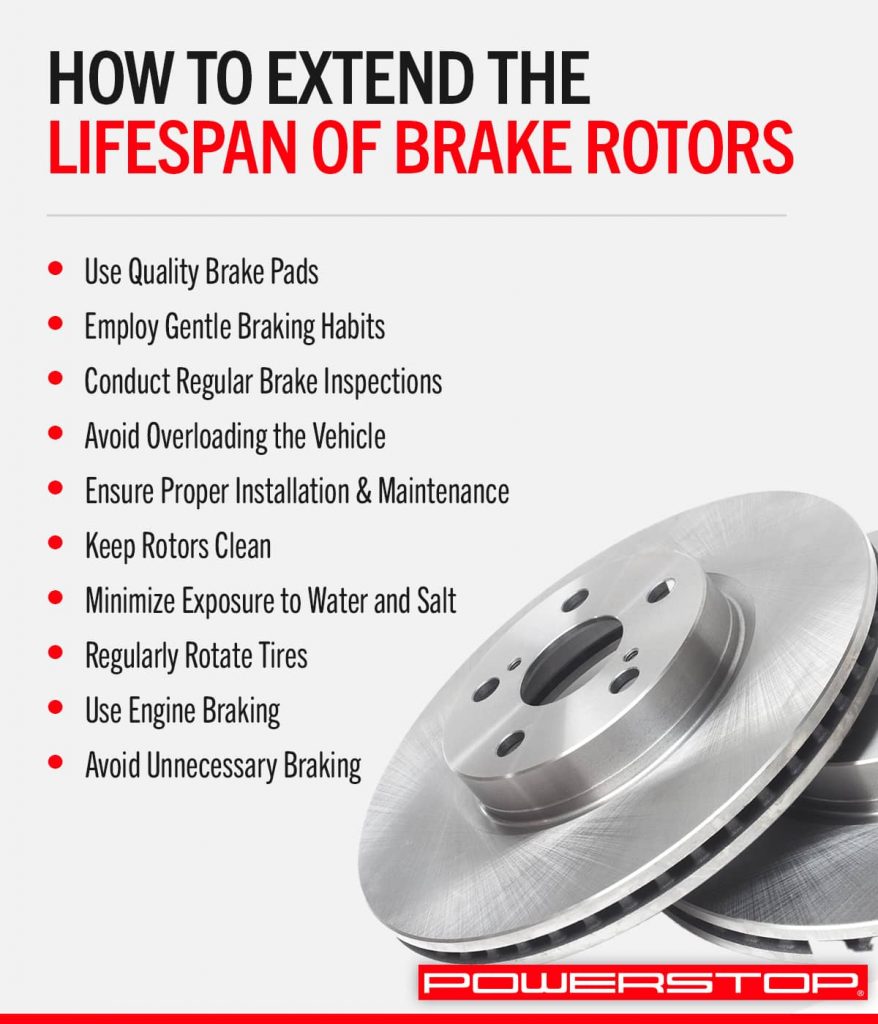
Credit: www.powerstop.com
Common Brake Rotor Issues
Brake rotors are a key part of your car’s braking system. They work with brake pads to stop your vehicle safely. Over time, rotors face wear and tear that affects performance. Knowing common rotor problems helps keep your brakes in good shape.
Bad rotors reduce braking power and increase risk on the road. Watch for signs that show your rotors might need attention or replacement.
Warping And Its Effects
Warping happens when rotors heat unevenly during braking. This causes the rotor surface to bend or twist. Warped rotors make the brake pedal shake or vibrate. You may feel pulsing in the brake pedal while stopping. Warping lowers braking smoothness and control.
Cracks And Damage
Cracks form from stress and overheating. Small cracks can grow and cause rotor failure. Visible damage often appears near the rotor edges or on the surface. Cracked rotors can lead to dangerous brake failure. Regular checks catch cracks early and improve safety.
Excessive Wear Indicators
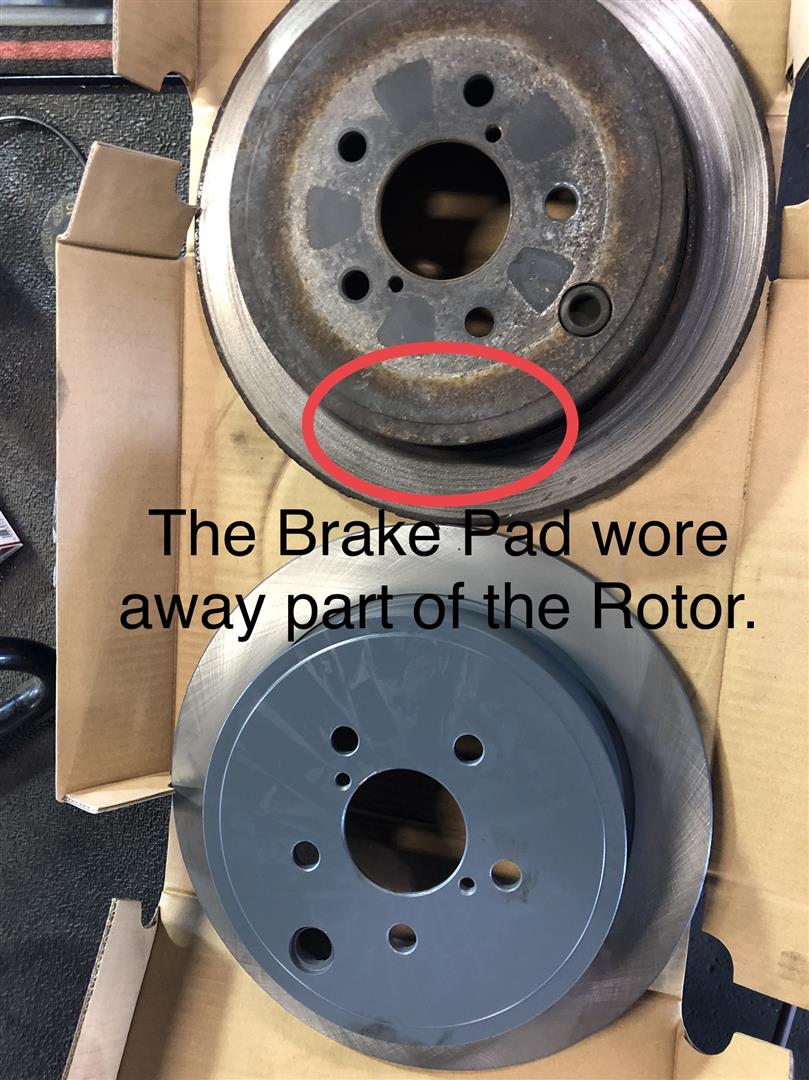
Rotors wear down from constant friction with brake pads. Excessive wear shows as grooves, thin spots, or uneven surfaces. Thin rotors lose the ability to absorb heat properly. This increases stopping distance and brake fade. Measure rotor thickness to ensure safe wear limits.

Credit: www.reddit.com
Warning Signs While Driving
Driving with bad brake rotors is dangerous. Your car may show signs that the rotors need attention. Pay close attention to how your vehicle feels and sounds while braking. These warning signs help you spot problems early. Acting quickly keeps you safe on the road.
Vibrations When Braking
Feeling vibrations through the brake pedal is a common sign of bad rotors. The steering wheel may shake too. This happens when rotors wear unevenly. The brake pads cannot grip smoothly. Vibrations often increase as you press harder on the brakes.
Squealing Or Grinding Noises
High-pitched squealing means the brake pads are worn down. Grinding sounds indicate metal rubbing on metal. This happens when rotors are damaged or warped. Noises like these mean your brakes need checking immediately. Ignoring sounds can cause more damage.
Extended Stopping Distances
Rotors in poor condition reduce braking power. Your car may take longer to stop than usual. This delay can be dangerous in traffic or emergencies. Notice if you press the pedal harder but still stop late. It shows that the rotors or pads need replacement.
Visual Inspection Tips
Visual inspection of brake rotors is a simple way to find problems early. It helps keep your car safe and stops bigger repairs later. You do not need special tools for a basic check. Just a flashlight and a clean cloth can work well. Focus on the rotor’s surface, thickness, and signs of rust or corrosion.
Checking Rotor Surface
Look closely at the rotor’s surface. It should be smooth and even. Deep grooves or rough spots mean the rotor wears out. Small cracks are signs of heat damage and can cause braking problems. Light scratches are normal but large marks are not. Clean the surface with a cloth before checking.
Measuring Rotor Thickness
Rotors get thinner as they wear. Each car has a minimum thickness for safe use. Use a micrometer or caliper to measure thickness. Compare your reading with the minimum thickness in your car manual. If the rotor is too thin, it needs replacement. Thin rotors can crack or warp easily.
Looking For Rust And Corrosion
Rust can damage rotors and reduce braking power. Surface rust is normal if the car sits unused for days. But heavy rust or deep corrosion is bad. It weakens the rotor and makes braking uneven. Clean light rust with a wire brush. Replace the rotor if rust looks deep or spreads widely.
Credit: www.ricksautoservice.org
Impact Of Bad Rotors On Vehicle Safety
Bad brake rotors can cause serious safety problems for your vehicle. They affect how well your brakes work. This puts you and others at risk. Understanding these risks helps you act quickly.
Reduced Brake Performance
Worn rotors lower the brakes’ ability to stop your car. Your vehicle needs more distance to come to a halt. This can be dangerous in traffic or emergencies. You may feel vibrations or hear noise when braking. These signs mean your rotors are not working well.
Increased Wear On Brake Pads
Damaged rotors make brake pads wear out faster. Rough or uneven surfaces cause extra friction. This means you must replace pads more often. Worn pads reduce braking power even more. This cycle can lead to higher repair costs and unsafe driving.
Potential For Brake Failure
Severely bad rotors can cause brake failure. Cracks or deep grooves can break under pressure. This makes it hard or impossible to stop the car. Brake failure can cause accidents and injuries. Regular checks help avoid this serious risk.
When To Replace Brake Rotors
Brake rotors are key to safe driving. Knowing when to replace them keeps your car safe and stops bigger problems. Rotors wear down over time and can cause poor braking. Watch for clear signs that say it’s time for new rotors.
Manufacturer Specifications
Every car has rotor thickness limits set by the maker. These specs tell you the smallest thickness allowed. If rotors get thinner than this, they must be replaced. Check your car manual or a trusted site for these numbers. Measuring rotor thickness needs a special tool called a micrometer.
Signs You Shouldn’t Ignore
Listen for squealing or grinding sounds when braking. These noises often mean rotor damage. Feeling a vibration or pulsing in the brake pedal also warns of rotor issues. Look for visible cracks or grooves on the rotors. Any of these signs mean a quick check is necessary.
Professional Inspection Benefits
Experts spot rotor wear that is hard to see. They measure thickness and check for warping. Professionals can also test brake performance safely. Getting a brake inspection helps avoid accidents and costly repairs. Trust a mechanic to keep your brakes in good shape.
Maintenance Tips To Extend Rotor Life
Extending the life of your brake rotors saves money and keeps your car safe. Proper care helps avoid early wear and damage. Follow these maintenance tips to make your rotors last longer.
Proper Driving Habits
Drive smoothly and avoid sudden stops. Hard braking heats the rotors and causes damage. Slow down gradually to reduce stress on the brake system. Avoid riding the brakes on hills. Use engine braking when possible to ease rotor wear.
Regular Brake System Checks
Check your brakes often to catch problems early. Inspect rotors for grooves, cracks, or rust. Listen for squealing or grinding noises. Have a mechanic check brake pads and fluid levels regularly. Early detection prevents costly rotor damage.
Choosing Quality Replacement Parts
Use high-quality rotors for replacements. Cheap parts wear out faster and may cause brake problems. Select parts that match your vehicle’s specifications. Quality rotors improve safety and last longer. Always replace rotors in pairs for balanced braking.
Frequently Asked Questions
How Can I Tell If My Brake Rotors Are Worn?
Worn brake rotors cause vibrations and noise when braking. Look for uneven surface, grooves, or a pulsating brake pedal. These signs indicate the rotors need inspection or replacement to ensure safe braking performance.
What Causes Brake Rotors To Become Bad?
Brake rotors wear out due to heat, friction, and regular use. Overheating can cause warping, while deep grooves form from worn brake pads. Poor maintenance and aggressive driving also accelerate rotor damage.
Can Bad Brake Rotors Affect Braking Distance?
Yes, damaged rotors reduce braking efficiency, increasing stopping distance. Warped or uneven rotors cause brake fade and inconsistent pedal feel, making it harder to stop quickly and safely.
How Often Should Brake Rotors Be Inspected?
Brake rotors should be inspected every 12,000 miles or during brake pad replacement. Regular checks help detect wear early, preventing costly repairs and maintaining optimal braking performance.
Conclusion
Bad brake rotors can cause serious driving problems. Listen for noises like squealing or grinding. Feel for vibrations when braking. Check for visible cracks or deep grooves on rotors. Timely rotor inspection keeps your vehicle safe. Replacing bad rotors improves brake performance quickly.
Don’t wait until problems get worse. Stay alert to signs of rotor wear. Drive with confidence and peace of mind. Regular brake checks protect you and others on the road.


