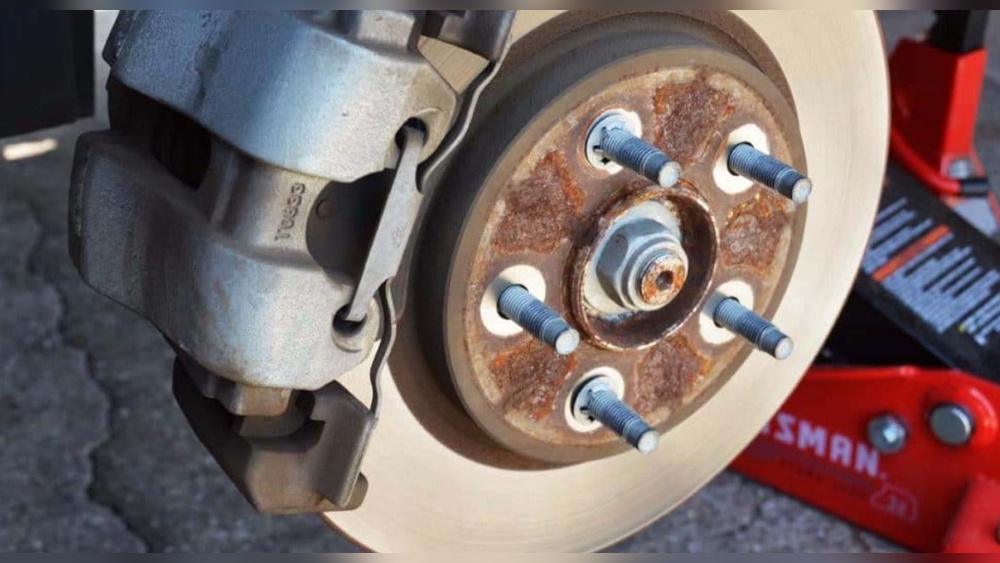
Your brakes are one of the most important parts of your car, keeping you safe every time you hit the road. But do you know when your brake rotors need to be replaced?
Ignoring worn or damaged rotors can lead to poor braking performance and even dangerous situations. You’ll learn the simple signs to watch for and how to tell if your rotors are ready for a change. Keep reading to protect yourself, your passengers, and your vehicle from costly damage down the road.
Signs Of Worn Brake Rotors
Worn brake rotors can affect your car’s safety and performance. Recognizing the signs early helps avoid bigger problems. Watch for changes in how your brakes feel and sound. These clues show when rotors need attention or replacement.
Visible Grooves And Cracks
Check the surface of your brake rotors. Deep grooves or cracks mean the rotors are worn out. These marks can cause uneven braking and damage other parts. Smooth rotors are vital for safe stops.
Vibrations When Braking
Feel any shaking or vibrations through the brake pedal? This often means the rotors are warped or uneven. Warped rotors reduce brake efficiency and can be dangerous. A steady pedal means rotors are in good shape.
Increased Stopping Distance
Notice your car takes longer to stop? Worn rotors can reduce braking power. This puts you at risk, especially in emergencies. Good rotors help your car stop quickly and safely every time.
Squealing Or Grinding Noises
Listen for unusual sounds when braking. Squealing or grinding often means rotor damage. These noises warn that the brake pads may be rubbing against rough rotor surfaces. Quiet brakes usually mean everything is working well.
Credit: www.reddit.com
Brake Rotor Thickness And Wear Limits
Brake rotor thickness plays a key role in your vehicle’s safety. Over time, rotors wear down due to friction. This reduces their thickness and weakens their strength. Knowing the wear limits helps you decide when to replace rotors. Driving with thin rotors can lead to poor braking and damage.
Measuring Rotor Thickness
Use a micrometer or caliper to measure rotor thickness. Measure at several points on the rotor surface. Check the measurement against the vehicle’s specifications. Always measure on a clean and cool rotor for accuracy. Record the smallest thickness found to ensure safety.
Minimum Thickness Specifications
Each rotor has a minimum thickness set by the manufacturer. This number is often stamped on the rotor edge. It shows the limit before the rotor becomes unsafe. Never use rotors thinner than this limit. Safety standards require rotors to be replaced at or above this thickness.
Consequences Of Thin Rotors
Thin rotors can crack or warp under heat stress. This causes vibrations and poor brake response. Brake fade increases, making stopping distance longer. Thin rotors risk complete failure during hard braking. Replace rotors promptly to maintain braking power and safety.
Heat Damage Indicators
Heat damage is a key sign that brake rotors need replacement. Rotors get very hot during braking. This heat can change their color and shape. Spotting these changes early protects your safety. It also saves money on bigger repairs later.
Blue Discoloration
Blue discoloration on rotors shows extreme heat exposure. The metal surface turns blue or purple. This happens when rotors get too hot too fast. Blue rotors lose strength and wear out quicker. They also cause brake noise and vibration. Check your rotors for this color change regularly.
Warping And Heat Spots
Heat spots are small, dark patches on rotor surfaces. They form from uneven heat during heavy braking. Warping means the rotor surface is no longer flat. Warped rotors cause shaking when braking. Heat spots make braking uneven and less safe. Both signs mean rotors must be replaced soon.

Credit: www.hawkperformance.com
Impact Of Driving Habits On Rotor Life
Driving habits affect the life of brake rotors a lot. Different ways of driving put different pressures on the rotors. Some habits make rotors wear out faster. Knowing these habits helps you care for your brakes better.
Frequent Hard Braking
Hard braking causes quick heat build-up in rotors. This heat can make rotors warp or crack over time. Sudden stops push rotors to work harder than usual. Using brakes gently helps rotors last longer.
Driving In Hilly Or Heavy Traffic Areas
Driving in hills or heavy traffic means more braking. Constant braking heats rotors and increases wear. Going downhill often needs more brake use. Traffic jams cause frequent stop-and-go, wearing rotors faster. These conditions reduce rotor life significantly.
When To Inspect Brake Rotors
Knowing the right time to inspect brake rotors helps keep your vehicle safe. Rotors work with brake pads to stop your car. Checking rotors regularly prevents serious damage and costly repairs. Some situations need immediate inspection to avoid brake problems.
Routine Maintenance Checks
Check brake rotors during regular car maintenance. Many mechanics include rotor inspection in service visits. Look for signs like grooves, cracks, or rust on the rotors. Measuring rotor thickness ensures they meet safety standards. Regular checks catch issues before they worsen.
After Brake Pad Replacement
Inspect rotors every time you replace brake pads. New pads need smooth rotors for proper contact. Old or worn rotors can reduce braking power. Rotors may need resurfacing or replacement during pad change. This keeps the braking system balanced and effective.
Following Unusual Brake Behavior
Any strange brake sounds or vibrations call for rotor checks. Pulsing or shaking during braking often points to warped rotors. Squealing or grinding noises can mean rotor damage. Immediate inspection helps avoid accidents and further damage. Pay attention to how your brakes feel and respond.
Diy Vs Professional Rotor Inspection
Knowing when to replace brake rotors can save you from costly repairs and keep your car safe. You can check rotors yourself or ask a professional. Both have good points. Understanding the difference helps you decide what fits your needs and skills.
Basic Inspection Tips
Start by looking at the rotor surface. Check for deep grooves, cracks, or rust. Run your hand over the rotor edge to feel for rough spots. If the rotor feels very thin, it might be worn out.
Listen for unusual noises when braking. Squealing or grinding sounds often mean rotor issues. Also, notice if the brake pedal vibrates or feels soft. These signs point to rotor problems.
Use a micrometer to measure rotor thickness. Compare it to the minimum thickness listed in your car manual. If below, replacement is necessary. Keep your tools clean and handle rotors with care.
When To Seek Expert Help
Complex rotor damage needs professional attention. Warped rotors or uneven wear require special tools and skills. Mechanics can also check the whole brake system for hidden issues.
Professional inspections often include road tests. This helps spot problems you cannot see. Experts give accurate advice on repair or replacement.
Choose a mechanic if you feel unsure or lack tools. Safety is the top priority. Proper rotor care ensures smooth, reliable braking every time.

Credit: www.brakestoyou.com
Frequently Asked Questions
How Often Should Brake Rotors Be Replaced?
Brake rotors typically last 30,000 to 70,000 miles. Replace them if you notice warping, cracking, or severe wear. Regular inspections help catch issues early and ensure safe braking performance.
What Are The Signs Of Worn Brake Rotors?
Common signs include vibration when braking, squealing noises, and reduced braking efficiency. Visual cracks or grooves on the rotor surface also indicate the need for replacement.
Can I Drive With Warped Brake Rotors?
Driving with warped rotors can cause brake pulsation and uneven stopping. It compromises safety and may damage other brake components. Replace warped rotors promptly to maintain optimal braking.
How To Measure Brake Rotor Thickness?
Use a micrometer to measure rotor thickness at multiple points. Compare measurements to the manufacturer’s minimum thickness specifications. Replace rotors if thickness is below the recommended limit.
Conclusion
Brake rotors wear down over time and need timely replacement. Listen for squealing or grinding sounds while braking. Feel for vibrations or pulsing in the brake pedal. Check for visible grooves or cracks on the rotors. Neglecting worn rotors can reduce braking power and safety.
Keep your vehicle’s braking system in good shape. Regular inspections help catch problems early and save money. Stay alert to signs that your rotors may need changing. Safe driving depends on reliable brakes and well-maintained parts.