

Rust on your brake rotors can cause annoying noises, reduce braking efficiency, and even make your drives unsafe. If you’ve noticed rough braking or a squeaky sound every time you hit the brakes, it’s time to take action.
But don’t worry—removing rust from your brake rotors is easier than you might think. In this guide, you’ll discover simple, effective ways to restore your rotors and get your brakes working smoothly again. Keep reading, and you’ll learn how to protect your car and drive with confidence.
Causes Of Rust On Brake Rotors
Rust on brake rotors is a common issue many drivers face. Understanding what causes rust helps in preventing and removing it effectively. Several factors contribute to rust build-up on brake rotors, ranging from the environment to how the vehicle is used and the materials involved.
Environmental Factors
Moisture is the main cause of rust on brake rotors. Rain, snow, and humidity expose the metal to water. Salt from roads speeds up rust formation. Parking outside without cover exposes rotors to these elements daily. Rust can form quickly, especially in wet climates.
Vehicle Usage Patterns
Short trips do not heat up the brakes enough to dry the rotors. This allows moisture to sit and cause rust. Vehicles left unused for long periods also develop rust easily. Frequent driving helps keep the rotors clean and dry.
Material Properties
Brake rotors are usually made of cast iron, which rusts easily. Some rotors have protective coatings, but these wear off over time. Cheaper materials tend to rust faster than high-quality ones. Knowing the rotor material helps predict rust risks.
Signs Of Rusty Brake Rotors
Rust on brake rotors can cause trouble. It affects how your car stops and feels. Knowing the signs helps you act fast. Keep your brakes safe and smooth.
Visual Indicators
Look closely at your brake rotors. Rust shows as a reddish-brown layer on the metal surface. It may cover the whole rotor or just spots. Deep rust can make the surface rough. This damage can be seen without removing the wheels.
Performance Issues
Rusty rotors can reduce braking power. Your car might take longer to stop. The brake pedal may feel soft or less responsive. Rust can cause uneven braking. This leads to pulling to one side while stopping.
Noise And Vibration
Rusty rotors often make noise. You may hear squealing or grinding sounds when braking. Vibrations through the brake pedal or steering wheel are common. These signs show the rust affects the rotor’s smoothness.
Safety Precautions Before Removal
Removing rust from brake rotors is a useful skill for car maintenance. Safety is key before starting this task. Taking the right precautions protects you and your vehicle. This section covers essential safety steps to follow before rust removal.
Necessary Tools And Equipment
Gather all tools before you begin. You will need a jack, jack stands, and a lug wrench. A wire brush or sandpaper helps remove rust. Brake cleaner spray is useful for cleaning. Keep a container for small parts like screws.
Protective Gear
Wear gloves to protect your hands from sharp edges. Use safety goggles to shield your eyes from dust and debris. A dust mask prevents inhaling rust particles. Dress in old clothes to avoid stains and damage.
Vehicle Preparation
Park your car on a flat surface. Engage the parking brake to stop movement. Loosen lug nuts before lifting the car. Use the jack to raise the vehicle safely. Place jack stands under the car for support. Remove the wheel carefully to access the rotor.
Manual Rust Removal Techniques
Manual rust removal is a straightforward way to clean brake rotors. It needs some effort but works well for light to moderate rust. Using simple tools and products, you can restore the rotor surface at home.
These methods focus on scrubbing and chemical cleaning. They remove rust and prepare the rotors for safe braking. Follow the steps carefully for best results.
Using Sandpaper Or Wire Brush
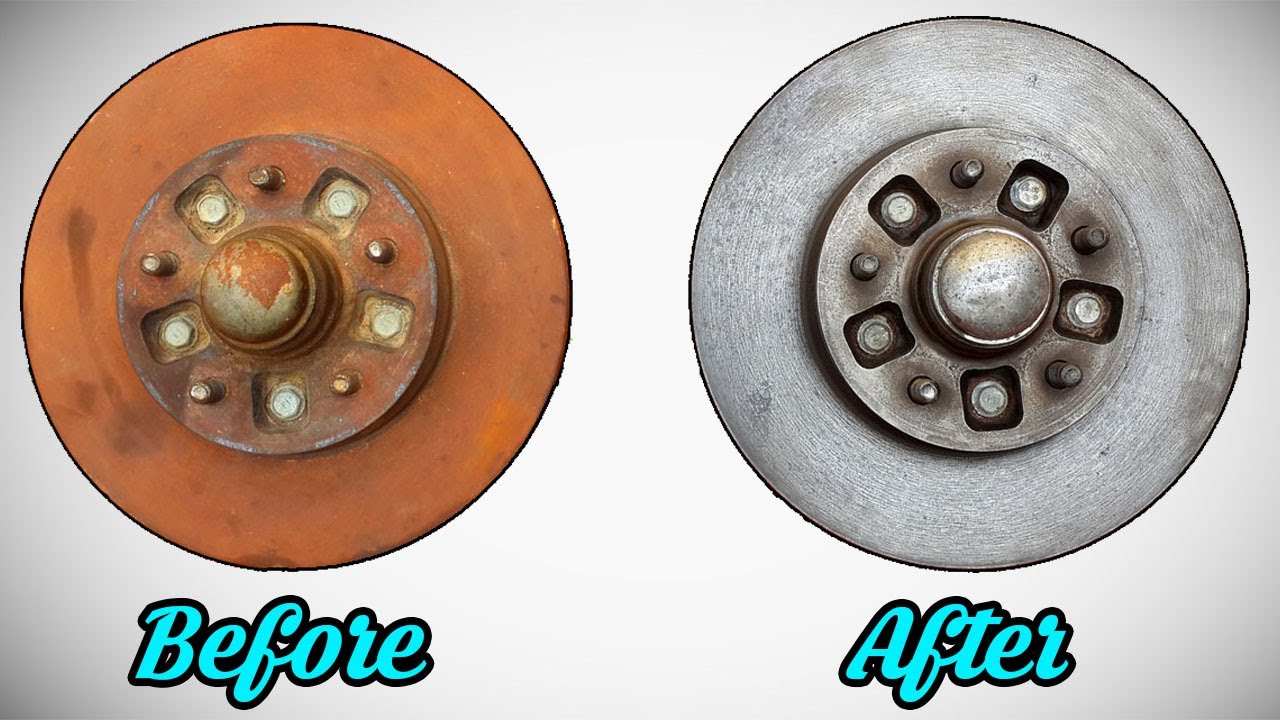
Start by removing loose rust with sandpaper or a wire brush. Use medium grit sandpaper or a stiff wire brush for best results. Rub the rotor surface gently but firmly. This action clears rust spots and smooths rough patches.
Wear gloves and eye protection to stay safe. Work evenly across the rotor to avoid damage. Clean all rusty areas until the metal shines.
Applying Rust Remover Chemicals
Rust remover chemicals dissolve stubborn rust quickly. Choose a product made for automotive parts. Apply it with a brush or spray bottle. Let it sit for the time shown on the label.
Wipe off the rust and chemical with a clean cloth. Repeat if rust remains. Avoid contact with brake pads or other parts. Rinse the rotor with water if needed and dry thoroughly.
Cleaning With Brake Cleaner
Brake cleaner removes dirt, oil, and leftover rust residue. Spray it directly on the rotor surface. Use a clean cloth to wipe the rotor dry after spraying.
This step ensures the rotor is free from grease and chemicals. It helps maintain brake performance and safety. Use brake cleaner in a well-ventilated area to avoid fumes.
Mechanical Rust Removal Methods
Mechanical rust removal methods are effective for cleaning brake rotors. These methods use tools and machines to scrape off rust fast. They restore the rotor surface and help the brakes work better.
Power Tools For Rust Removal
Power tools make rust removal quicker and easier. Angle grinders and rotary tools with wire brushes remove rust well. They reach hard spots and smooth the rotor surface. Use moderate speed to avoid overheating the metal. Always wear safety gear to protect yourself.
Using A Drill With Wire Wheel
A drill with a wire wheel attachment works well on rust. It spins the wire brush fast to scrape off rust and dirt. Hold the drill steady and move evenly across the rotor. This method cleans rust without damaging the rotor’s shape. It is a good option for small rust patches.
Professional Rotor Resurfacing
Professional rotor resurfacing uses special machines to remove rust. The machine cuts a thin layer from the rotor’s surface. This removes deep rust and restores smoothness. It helps the brake pads grip better and stops vibrations. Visit a mechanic for this service to ensure safety and quality.

Credit: www.familyhandyman.com
Preventing Future Rust On Rotors
Rust on brake rotors can cause serious problems over time. Preventing rust helps keep brakes working well and extends rotor life. Taking simple steps stops rust from forming again and keeps your vehicle safe.
Regular Vehicle Maintenance
Check your brake system often. Clean rotors with a soft cloth during routine checks. Drive your car regularly to keep moisture off the rotors. Rust forms faster on cars that sit unused for long periods. Brake pads should be checked and replaced when worn out. Good pads help protect rotors from rust.
Protective Coatings And Treatments
Apply anti-rust sprays or coatings on your rotors. These products form a thin barrier against moisture and air. Use only coatings made for brake parts to avoid damage. Reapply coatings after cleaning or brake service. Protective treatments slow down rust and keep rotors smooth.
Storage Tips For Vehicles
Store your vehicle in a dry place, away from rain and snow. Use a car cover to block moisture if indoor storage is not possible. Avoid parking on grass or dirt, which hold moisture near rotors. Start and move your vehicle occasionally during long storage. This helps dry the brake parts and prevents rust buildup.
When To Replace Rusted Brake Rotors
Rusted brake rotors can cause safety risks and poor braking. Knowing when to replace them is crucial. Rust might look bad but does not always mean replacement is needed. Some rust can be cleaned off. Others damage the rotor’s structure and need new parts.
Assessing Rotor Thickness
Rotors have a minimum thickness. Rust can wear them down over time. Use a micrometer to measure the rotor’s thickness. Compare it to the manufacturer’s limit. If below the limit, replace the rotor. Thin rotors heat up quickly and can crack.
Impact On Brake Performance
Rusted rotors reduce braking power. You might feel vibrations or hear noises. Braking distance can increase. This makes driving dangerous. Deep rust pits cause uneven contact with brake pads. Replace rotors if braking feels weak or shaky.
Consulting A Professional Mechanic
A mechanic can inspect rotors closely. They check for cracks, warping, and thickness. Professionals use special tools for accurate assessment. Mechanics advise if cleaning or replacing is best. Trust expert advice to keep brakes safe and effective.

Credit: bookmyboat.ca
Credit: www.youtube.com
Frequently Asked Questions
How Do I Safely Remove Rust From Brake Rotors?
To safely remove rust, use a wire brush or sandpaper with protective gloves. Clean the rotors with brake cleaner, then wipe dry. Avoid harsh chemicals that can damage the rotor surface or brake system components.
Can Rust On Brake Rotors Affect Braking Performance?
Yes, rust can reduce braking efficiency by creating uneven surfaces. Light rust usually clears after driving, but heavy rust can cause noise and vibrations. Regular cleaning helps maintain smooth braking and extends rotor life.
What Tools Are Best For Cleaning Rusty Brake Rotors?
Use a wire brush, sandpaper (medium grit), and brake cleaner spray. These tools effectively remove rust without damaging the rotors. Avoid steel wool or harsh abrasives that may scratch or weaken the metal surface.
How Often Should I Check Brake Rotors For Rust?
Check brake rotors for rust every 3 to 6 months, especially in humid or wet climates. Early detection prevents corrosion buildup and maintains optimal brake performance. Regular inspections keep your vehicle safe and reliable.
Conclusion
Removing rust from brake rotors keeps your car safe and running well. Regular cleaning stops rust from building up again. Use simple tools and follow steps carefully for best results. Pay attention to safety and take your time. Clean rotors help brakes work smoothly and last longer.
Small efforts prevent bigger problems later. Keep checking your brakes often to catch rust early. Your car will thank you with better performance and safety.


