

Your car’s fuel filter plays a quiet but crucial role in keeping your engine running smoothly. But how do you know when it’s time to replace it?
Ignoring a clogged or dirty fuel filter can lead to poor performance, lower fuel efficiency, or even engine damage. You’ll discover clear signs to watch for and simple steps to take, so you never get caught off guard. Keep reading to protect your engine and save money on costly repairs.
Role Of A Fuel Filter
The fuel filter plays a key role in keeping your vehicle’s engine clean. It stops dirt, rust, and other tiny particles from entering the fuel system. Clean fuel helps the engine run smoothly and prevents damage.
Fuel flows from the tank through the filter before reaching the engine. The filter traps harmful debris. This protects fuel injectors and the engine’s combustion system. A clogged fuel filter can reduce fuel flow and hurt engine performance.
How A Fuel Filter Protects The Engine
The fuel filter catches contaminants before they reach the engine. Dirt and rust can cause wear and tear inside engine parts. The filter keeps fuel clean for better combustion and power.
Fuel Filter’s Effect On Fuel Efficiency
A clean filter ensures smooth fuel flow. This helps the engine burn fuel efficiently. A dirty filter can cause poor mileage and higher fuel use.
Signs Of A Failing Fuel Filter
Slow engine start, rough idling, and poor acceleration can mean a clogged filter. These signs show the filter may need replacement soon.

Credit: www.autonationmobileservice.com
Common Fuel Filter Issues
The fuel filter plays a key role in protecting your engine. It stops dirt and debris from reaching the fuel injectors. Over time, the filter can get clogged or damaged. This causes several problems that affect your car’s performance.
Knowing the common issues helps you decide when to replace the fuel filter. Catching problems early keeps your engine healthy and saves money on repairs.
Clogged Fuel Filter
A clogged fuel filter restricts fuel flow to the engine. This causes poor engine performance and stalling. The car may hesitate or jerk during acceleration. Fuel efficiency drops, and the engine may misfire. These signs show the filter needs cleaning or replacement.
Fuel Pressure Problems
When the fuel filter clogs, fuel pressure drops. Low pressure makes the engine hard to start. It also causes rough idling and loss of power. A faulty fuel filter often causes these pressure issues. Testing fuel pressure can confirm the problem.
Engine Misfires And Stalling
Dirty fuel filters cause engine misfires and unexpected stalling. The engine may cut out suddenly while driving. This happens because fuel supply becomes inconsistent. A fresh fuel filter ensures smooth and steady fuel delivery.
Check Engine Light Activation
The check engine light may come on due to fuel filter problems. Sensors detect fuel delivery issues and trigger the light. Ignoring this warning can lead to bigger engine troubles. It is a clear sign to inspect the fuel filter.
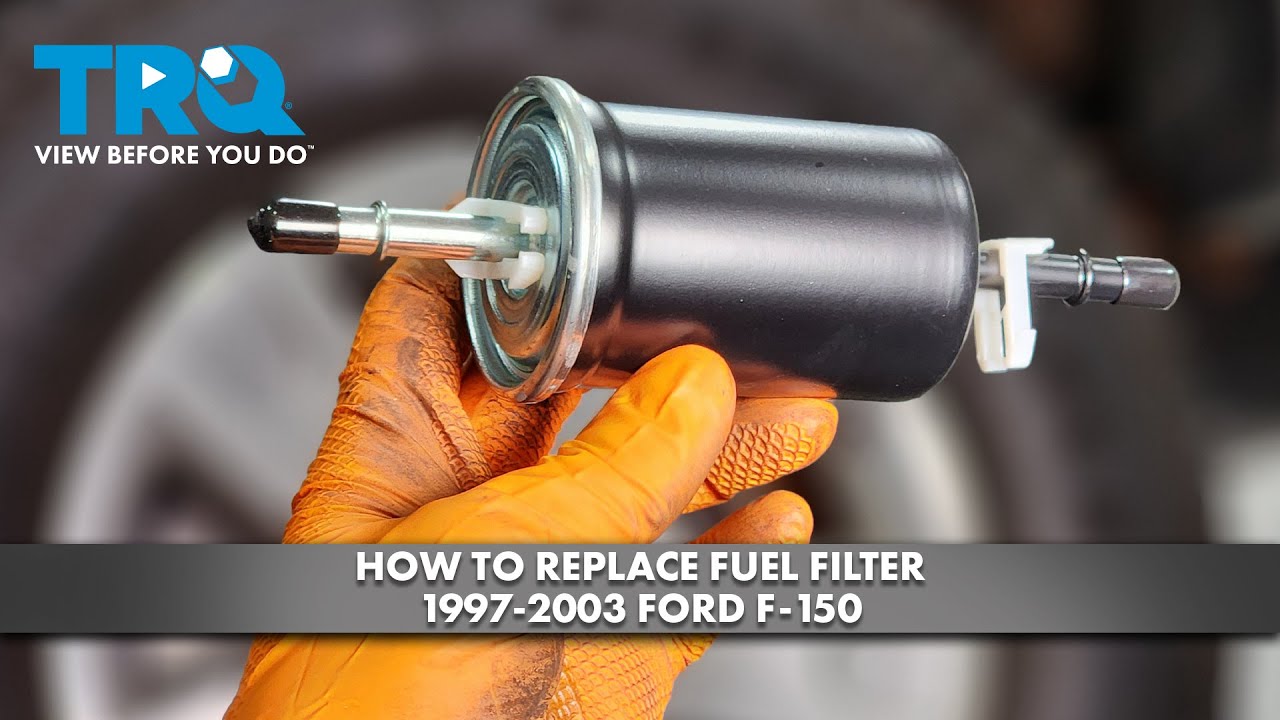
Signs Of A Clogged Fuel Filter
A clogged fuel filter can cause many problems in your vehicle. It blocks fuel flow, making the engine work harder. Knowing the signs helps you fix the issue before it worsens. Here are common signs of a clogged fuel filter.
Engine Performance Drops
The engine may lose power during acceleration. It might feel weak or slow. Poor fuel flow limits the engine’s ability to run smoothly. This causes rough idling or stalling on hills or under load.
Starting Problems
The car may take longer to start or fail to start. Fuel struggles to reach the engine quickly. This delay shows the filter is restricting fuel flow. Repeated hard starts can damage other engine parts.
Unusual Engine Noises
The engine might make sputtering or coughing sounds. These noises happen because the engine is starved of fuel. A clogged filter disrupts the fuel-air mix. This causes the engine to run unevenly.
Check Engine Light Activation
The check engine light may turn on without warning. Sensors detect problems with fuel delivery. A clogged fuel filter can trigger this warning. Ignoring the light can lead to costly repairs later.
Credit: www.youtube.com
Effects Of A Dirty Fuel Filter
A dirty fuel filter can cause several problems in your vehicle. It blocks the flow of fuel to the engine. This makes the engine work harder and less smoothly. Ignoring a dirty fuel filter can lead to poor car performance and costly repairs.
Reduced Fuel Efficiency
A clogged fuel filter limits fuel flow. The engine burns more fuel to keep running. This lowers your car’s fuel efficiency. You will notice you fill the tank more often. Fuel costs rise without any change in driving habits.
Engine Misfires
Dirty fuel filters cause uneven fuel supply. This leads to engine misfires and rough idling. The engine may hesitate or jerk while driving. Misfires can damage engine parts over time. Smooth running depends on clean fuel reaching the engine.
Stalling Risks
Severe blockages in the fuel filter can cause stalling. The engine may stop suddenly while driving. This creates dangerous situations on the road. A clean fuel filter keeps fuel flowing steadily. It helps maintain consistent engine performance.
Fuel Filter Replacement Intervals
Fuel filter replacement intervals are important to keep your engine clean. A clogged fuel filter can reduce engine performance and cause damage. Knowing the right time to change it helps avoid costly repairs and keeps your car running smoothly. Fuel filter lifespan varies by car and use.
Manufacturer Recommendations
Check your vehicle’s owner manual for fuel filter replacement schedules. Manufacturers provide specific mileage or time limits for filter changes. Most suggest replacing the fuel filter every 20,000 to 40,000 miles. Following these guidelines ensures proper engine function and fuel flow. Skipping recommended intervals may harm your engine.
Driving Conditions Impact
Driving conditions affect how often you need to replace the fuel filter. Dusty or rough roads cause the filter to clog faster. Short trips and stop-and-go traffic increase fuel system strain. In these cases, change the filter more often than the manual suggests. Clean fuel filters improve engine efficiency and reduce fuel consumption.
Diy Vs Professional Replacement
Deciding between a DIY fuel filter replacement or hiring a professional depends on your skills and tools. Changing the fuel filter yourself can save money and time. But it requires the right tools and safety steps. Some situations need expert help to avoid damage or injury. Let’s explore what you need for each choice.
Tools Needed
For a DIY replacement, basic tools include a wrench set and screwdrivers. You might also need pliers and a container to catch fuel. A new fuel filter that fits your vehicle is essential. Professionals use specialized tools to quickly remove and install filters. Having the right tools makes the job easier and safer.
Safety Precautions
Fuel is flammable and dangerous. Work in a well-ventilated area away from sparks or flames. Wear gloves and safety glasses to protect your skin and eyes. Disconnect the battery before starting to avoid electrical sparks. Keep a fire extinguisher nearby just in case. Taking precautions prevents accidents and injuries.
When To Seek Help
Call a professional if you lack tools or experience. Complex fuel systems or hard-to-reach filters need expert care. Signs like fuel leaks or engine problems may require diagnostics. Professionals can spot hidden issues and fix them safely. Choosing help can save money from costly mistakes later.
Preventing Fuel Filter Problems
Preventing fuel filter problems keeps your engine running smoothly. A clean fuel filter stops dirt and rust from reaching the engine. This helps avoid costly repairs and poor performance. Taking simple steps can extend the filter’s life and protect your vehicle.
Regular Maintenance Tips
Check the fuel filter based on your car’s manual. Replace it at the recommended intervals. Inspect fuel lines for cracks or leaks. Keep the fuel tank clean and avoid letting it run too low. Regular maintenance helps catch problems early. It saves money and time on repairs.
Using Quality Fuel
Choose fuel from trusted stations only. Low-quality fuel contains more dirt and water. These contaminants clog the fuel filter faster. Using good fuel keeps the filter clean longer. It also improves engine performance and fuel efficiency.

Credit: kbmotorsports.biz
Frequently Asked Questions
How Often Should I Replace My Fuel Filter?
Replace your fuel filter every 20,000 to 30,000 miles. Check your vehicle’s manual for specific intervals. Regular replacement prevents engine problems and maintains fuel efficiency.
What Are Signs Of A Clogged Fuel Filter?
Common signs include engine misfires, poor acceleration, and trouble starting. A clogged fuel filter restricts fuel flow, causing these issues. Addressing early prevents engine damage.
Can A Dirty Fuel Filter Affect Fuel Economy?
Yes, a dirty fuel filter reduces fuel flow and engine performance. This causes your vehicle to consume more fuel. Replacing the filter improves efficiency and saves money.
Is It Safe To Drive With A Bad Fuel Filter?
Driving with a bad fuel filter risks engine stalling and damage. It can cause sudden power loss, making driving unsafe. Replace the filter promptly for safety and reliability.
Conclusion
A clean fuel filter keeps your engine running smooth. Watch for signs like slow acceleration and rough idling. Regular checks help avoid costly repairs later. Changing the fuel filter on time saves fuel and improves performance. Don’t wait for problems to get worse.
Stay ahead by following your vehicle’s maintenance schedule. Your car will thank you with better power and efficiency. Simple steps make a big difference. Keep your fuel system healthy and enjoy a smoother ride.


